
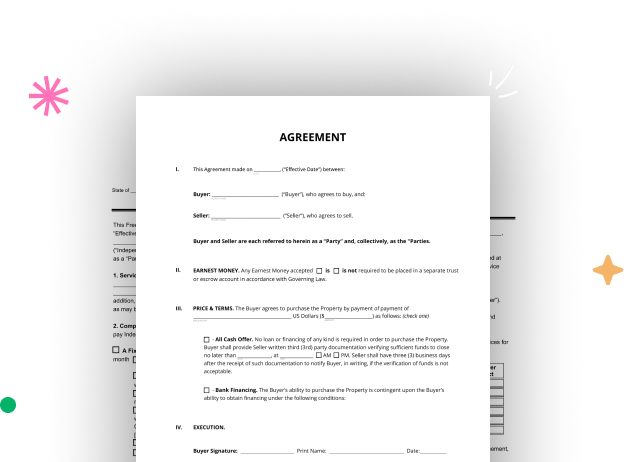

Create your South Dakota Estate Planning from scratch

Start Building Now
Title decoration

Here's how it works

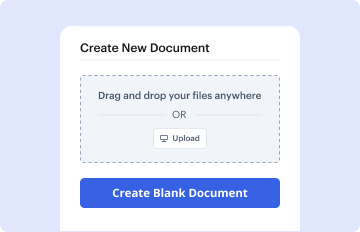
01. Start with a blank South Dakota Estate Planning
Open the blank document in the editor, set the document view, and add extra pages if applicable.
02. Add and configure fillable fields
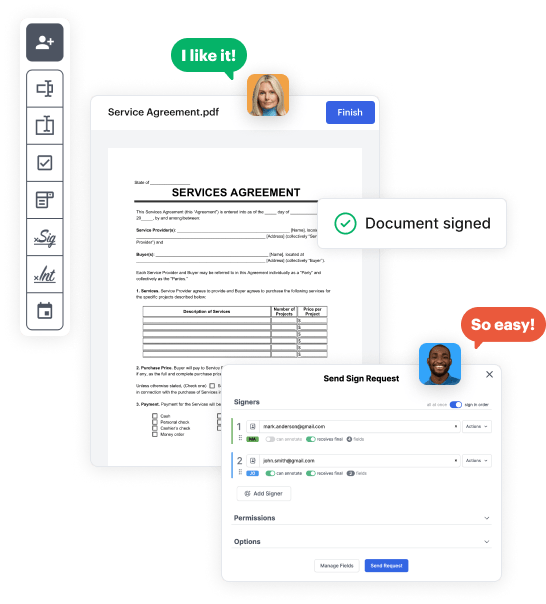
Use the top toolbar to insert fields like text and signature boxes, radio buttons, checkboxes, and more. Assign users to fields.
03. Distribute your form
Share your South Dakota Estate Planning in seconds via email or a link. You can also download it, export it, or print it out.

A quick tutorial on how to create a polished South Dakota Estate Planning

Form edit decoration

Step 1: Log in to DocHub to create your South Dakota Estate Planning.

First, log in to your DocHub account. If you don't have one, you can simply sign up for free.

Step 2: Navigate to the dashboard.

Once logged in, go to your dashboard. This is your main hub for all document-focused processes.

Step 3: Kick off new document creation.

In your dashboard, hit New Document in the upper left corner. Choose Create Blank Document to build the South Dakota Estate Planning from scratch.

Step 4: Add form elements.

Add numerous elements like text boxes, images, signature fields, and other interactive areas to your form and assign these fields to intended recipients as required.

Step 5: Customize your template.

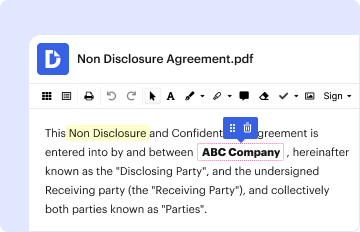
Personalize your form by adding guidelines or any other vital details using the text feature.

Step 6: Review and refine the content of the form.

Thoroughly review your created South Dakota Estate Planning for any errors or essential adjustments. Utilize DocHub's editing tools to enhance your template.

Step 7: Send out or download the template.

After completing, save your file. You can opt to save it within DocHub, export it to various storage solutions, or forward it via a link or email.


be ready to get more

Build your South Dakota Estate Planning in minutes

Start creating now

Got questions?

We have answers to the most popular questions from our customers. If you can't find an answer to your question, please contact us.
Contact us
Key Takeaways Common estate planning documents are wills, trusts, powers of attorney, and living wills.
Estate planning covers the transfer of property at death as well as a variety of other personal matters and may or may not involve tax planning. The core document most often associated with this process is your will.
The Estate Planning Must-Haves. Wills and Trusts. Durable Power of Attorney. Beneficiary Designations. Letter of Intent. Healthcare Power of Attorney. Guardianship Designations. Estate Planning FAQs.
Handwritten Will: A handwritten or holographic will is entirely written and signed by the testator without witnesses. South Dakota does not accept holographic wills of this kind. But the will is valid if its in the testators handwriting and signed by the testator in front of two witnesses ing to state law.
A good estate plan consists of many different components, including what happens to your assets and who should act on your behalf if you are unable to. At a bare minimum, there should be two main components: a last will and testament and a durable power of attorney.
be ready to get more

Build your South Dakota Estate Planning in minutes

Start creating now

Related Q&A to South Dakota Estate Planning

Estate Planning Checklist: A 10-Step Guide Assemble a team. Outline your wishes in your estate planning documents. Establish guardianship for your dependents. Consider trusts. Plan for federal and/or state estate taxes. Avoid probate. Prepare for long-term care. Consider income in respect of a decedent (IRD) taxes.
Common estate planning documents are wills, trusts, powers of attorney, and living wills. Everyone can benefit from having a will, no matter how small their estate or simple their wishes. Online estate planning services offer basic packages for less than $200.
Tax Benefits South Dakota trusts are free from all state income tax, city/local tax, intangibles taxes, dividends taxes, interest tax and corporate tax. There are also no state capital gains taxes on trusts, which can save beneficiaries a docHub amount when generational wealth is passed down.

Additional resources on building your forms


