
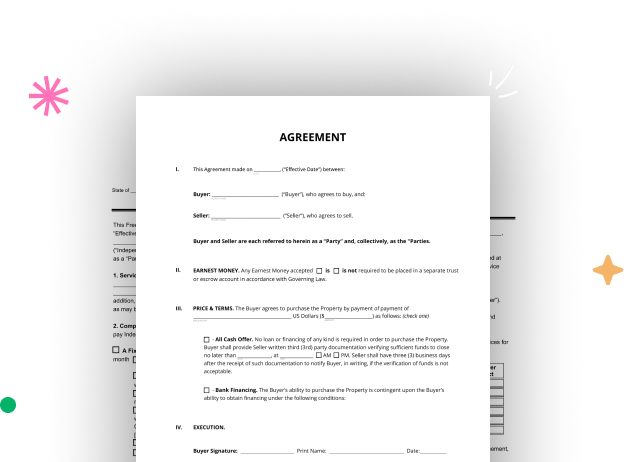
Create your South Carolina Contractor from scratch

Start Building Now
Title decoration

Here's how it works

01. Start with a blank South Carolina Contractor
Open the blank document in the editor, set the document view, and add extra pages if applicable.
02. Add and configure fillable fields
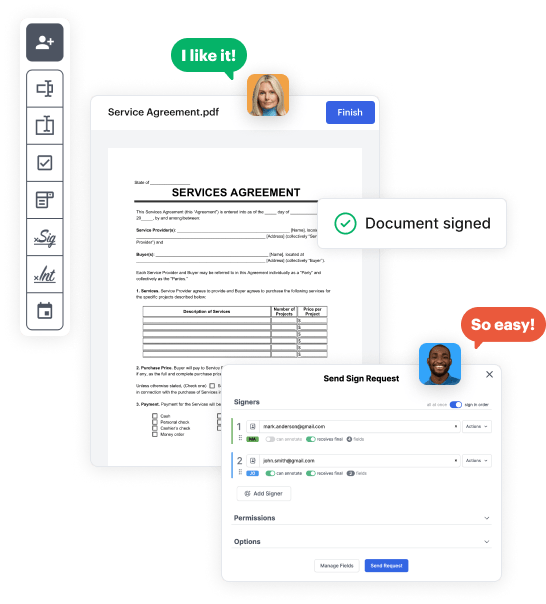
Use the top toolbar to insert fields like text and signature boxes, radio buttons, checkboxes, and more. Assign users to fields.
03. Distribute your form
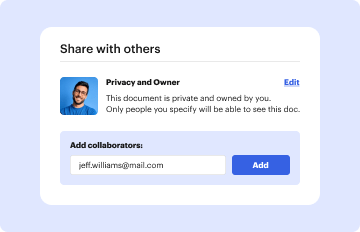
Share your South Carolina Contractor in seconds via email or a link. You can also download it, export it, or print it out.

Build South Carolina Contractor from the ground up with these comprehensive instructions

Form edit decoration

Step 1: Start off by launching DocHub.

Start by creating a free DocHub account using any offered sign-up method. Just log in if you already have one.

Step 2: Sign up for a 30-day free trial.

Try out the whole set of DocHub's pro tools by registering for a free 30-day trial of the Pro plan and proceed to build your South Carolina Contractor.

Step 3: Build a new empty form.

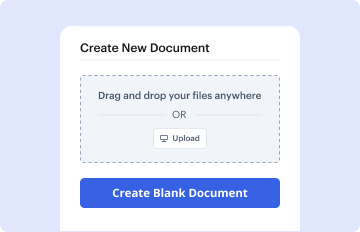
In your dashboard, choose the New Document button > scroll down and hit Create Blank Document. You will be taken to the editor.

Step 4: Organize the document’s layout.

Use the Page Controls icon indicated by the arrow to toggle between different page views and layouts for more convenience.

Step 5: Start inserting fields to design the dynamic South Carolina Contractor.

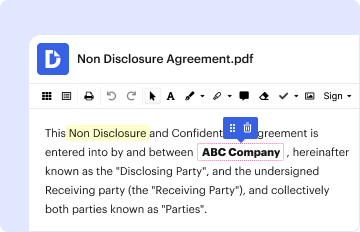
Explore the top toolbar to add document fields. Insert and arrange text boxes, the signature block (if applicable), add photos, and other elements.

Step 6: Prepare and customize the added fields.

Configure the fillable areas you added per your preferred layout. Personalize the size, font, and alignment to ensure the form is easy to use and polished.

Step 7: Finalize and share your template.

Save the completed copy in DocHub or in platforms like Google Drive or Dropbox, or create a new South Carolina Contractor. Send out your form via email or use a public link to reach more people.


be ready to get more

Build your South Carolina Contractor in minutes

Start creating now

Got questions?

We have answers to the most popular questions from our customers. If you can't find an answer to your question, please contact us.
Contact us
South Carolina requires that most contractors obtain a license when performing work in the state. Three different kinds of licenses general contractor (for work valued over $5,000), residential home builders, and residential specialty contractors are available depending on the type of work youll be performing.
South Carolina state law requires work to be performed by an appropriately licensed contractor. A homeowner may act as their own contractor as long as they are in compliance with South Carolina state law (40-59-260).
South Carolina Contractor License Guide Determine the Type of Contractor License You Need. Pass Your Examination. Access South Carolina License Application Forms. Fulfill Requirements and Obtain Required Documents. Submit Your South Carolina Contractor License Application. Obtain Your Contractor License Bond.
Yes, as long as you meet the criteria set forth by the SC Code of Laws referenced below: SECTION 40-59-260. Exception for projects by property owner for personal use; exemption disclosure statement; notice filed with register of deeds.
Youll need a general contractor license from the South Carolina Contractors Licensing Board to work on most residential, commercial and industrial construction projects over $5,000, although there are a few exceptions.
be ready to get more

Build your South Carolina Contractor in minutes

Start creating now

Related Q&A to South Carolina Contractor

For the homeowner to do electrical work (maintenance only, not new construction) on their residence (totaling less than $250), an electrical permit must be issued. For work totaling more than $250, the homeowner must contract with a State of South Carolina licensed electrician.
State law requires residential construction to be done by licensed residential builders and specialty contractors. You have applied for a permit under an exemption to that law. The exemption allows you, as the owner of your property, to act as your own builder even though you do not have a license.

Additional resources on building your forms


