
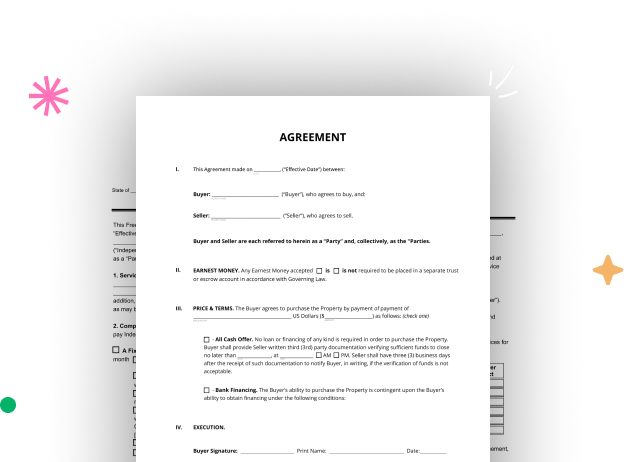

Create your South Carolina Construction Legal Form from scratch

Start Building Now
Title decoration

Here's how it works

01. Start with a blank South Carolina Construction Legal Form
Open the blank document in the editor, set the document view, and add extra pages if applicable.
02. Add and configure fillable fields
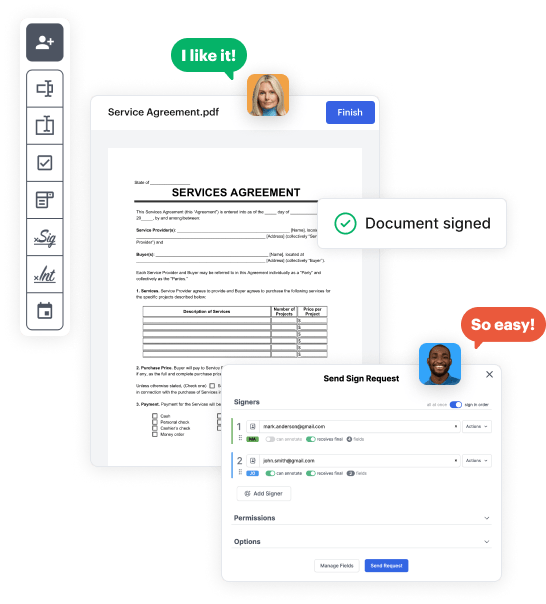
Use the top toolbar to insert fields like text and signature boxes, radio buttons, checkboxes, and more. Assign users to fields.
03. Distribute your form
Share your South Carolina Construction Legal Form in seconds via email or a link. You can also download it, export it, or print it out.

A detailed walkthrough of how to craft your South Carolina Construction Legal Form online

Form edit decoration

Step 1: Start with DocHub's free trial.

Visit the DocHub website and register for the free trial. This provides access to every feature you’ll need to create your South Carolina Construction Legal Form without any upfront cost.

Step 2: Navigate to your dashboard.

Log in to your DocHub account and go to the dashboard.

Step 3: Craft a new document.

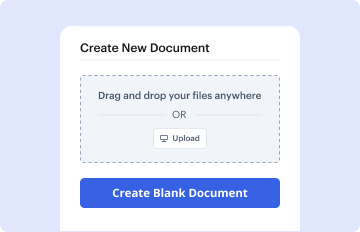
Hit New Document in your dashboard, and select Create Blank Document to design your South Carolina Construction Legal Form from scratch.

Step 4: Utilize editing tools.

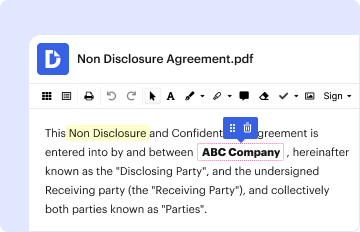
Place various fields such as text boxes, radio buttons, icons, signatures, etc. Organize these elements to suit the layout of your form and designate them to recipients if needed.

Step 5: Organize the form layout.

Organize your form quickly by adding, repositioning, deleting, or merging pages with just a few clicks.

Step 6: Create the South Carolina Construction Legal Form template.

Turn your newly designed form into a template if you need to send multiple copies of the same document multiple times.

Step 7: Save, export, or share the form.

Send the form via email, share a public link, or even publish it online if you aim to collect responses from a broader audience.


be ready to get more

Build your South Carolina Construction Legal Form in minutes

Start creating now

Got questions?

We have answers to the most popular questions from our customers. If you can't find an answer to your question, please contact us.
Contact us
The biggest obstacle to the saving money pro of becoming your own contractor is you have to know what youre doing. Figuring out your job on the job takes time, and time is money when youre your own boss. Youll get faster over time, but youll never recover the money and time spent along the learning curve.
Contractors must be licensed through the South Carolina Department of Labor, Licensing, and Regulation (SC LLR). A homeowner may be exempt from needing a licensed contractor if they are going to be performing all of the work themselves and meet the requirements of the SC Code of Laws Section 40-59-260.
South Carolina Contractor License Guide Determine the Type of Contractor License You Need. Pass Your Examination. Access South Carolina License Application Forms. Fulfill Requirements and Obtain Required Documents. Submit Your South Carolina Contractor License Application. Obtain Your Contractor License Bond.
General and mechanical contractors who want to work on commercial and industrial projects valued at over $5,000 need to carry a license (the license also allows them to work on residential jobs). These licenses fall under the control of the South Carolina Contractors Licensing Board.
South Carolina state law requires work to be performed by an appropriately licensed contractor. A homeowner may act as their own contractor as long as they are in compliance with South Carolina state law (40-59-260).
be ready to get more

Build your South Carolina Construction Legal Form in minutes

Start creating now

Related Q&A to South Carolina Construction Legal Form

A handyman, under the classification of Residential Specialty Contractor, does not need a license to work in South Carolina. However, you will need to register with the South Carolina Department of Labor, Licensing and Regulation.
Youll need a general contractor license from the South Carolina Contractors Licensing Board to work on most residential, commercial and industrial construction projects over $5,000, although there are a few exceptions.
State law requires residential construction to be done by licensed residential builders and specialty contractors. You have applied for a permit under an exemption to that law. The exemption allows you, as the owner of your property, to act as your own builder even though you do not have a license.

Additional resources on building your forms


