
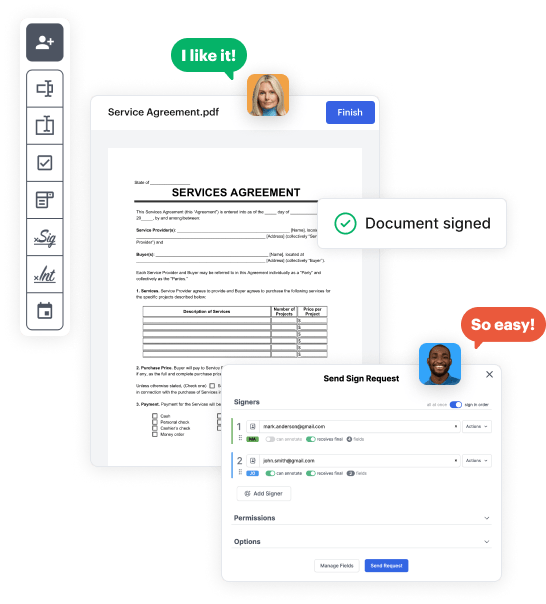
Create your Residential Tenancy Letter from scratch

Start Building Now
Title decoration

Here's how it works

01. Start with a blank Residential Tenancy Letter
Open the blank document in the editor, set the document view, and add extra pages if applicable.
02. Add and configure fillable fields
Use the top toolbar to insert fields like text and signature boxes, radio buttons, checkboxes, and more. Assign users to fields.
03. Distribute your form
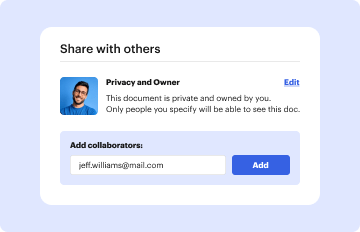
Share your Residential Tenancy Letter in seconds via email or a link. You can also download it, export it, or print it out.

A quick guide on how to set up a polished Residential Tenancy Letter

Form edit decoration

Step 1: Log in to DocHub to create your Residential Tenancy Letter.

First, log in to your DocHub account. If you don't have one, you can simply register for free.

Step 2: Navigate to the dashboard.

Once logged in, navigate to your dashboard. This is your primary hub for all document-related activities.

Step 3: Kick off new document creation.

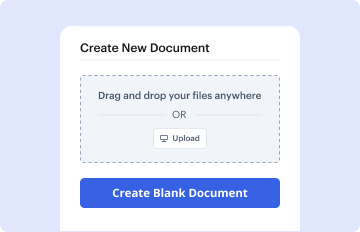
In your dashboard, choose New Document in the upper left corner. Select Create Blank Document to design the Residential Tenancy Letter from a blank slate.

Step 4: Add form elements.

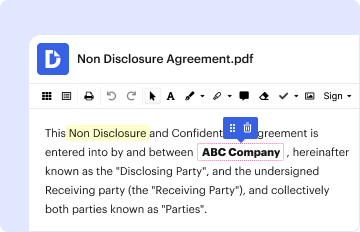
Add various elements like text boxes, photos, signature fields, and other options to your form and designate these fields to certain individuals as needed.

Step 5: Personalize your template.

Customize your document by adding walkthroughs or any other crucial details utilizing the text feature.

Step 6: Double-check and refine the content of the document.

Attentively review your created Residential Tenancy Letter for any typos or required adjustments. Take advantage of DocHub's editing tools to fine-tune your template.

Step 7: Send out or download the template.

After finalizing, save your work. You can opt to keep it within DocHub, transfer it to various storage solutions, or forward it via a link or email.


be ready to get more

Build your Residential Tenancy Letter in minutes

Start creating now

Got questions?

We have answers to the most popular questions from our customers. If you can't find an answer to your question, please contact us.
Contact us
I am the [LANDLORD/PROPERTY MANAGER] for [ADDRESS]. This letter is a formal verification that my tenant, [TENANT NAME], is currently residing in my rental property located at [ADDRESS] for [DURATION]. [TENANT NAME] moved in on [MOVE-IN DATE] for a lease term of [LEASE DURATION], which is set to expire on [EXPIRE DATE].
Changing the tenancy agreement A tenancy agreement can normally only be changed if both you and your landlord agree. If you both agree, the change should be recorded in writing, either by drawing up a new written document setting out the terms of the tenancy or by amending the existing written tenancy agreement.
I am the landlord of [Renters Name]. I am writing to confirm that [Renters Name] resides at my rental property: [Street Number, Street Name, Unit Number (where applicable), City, State, Zip Code]. [Renters Name]s lease term began on [Start Date of Lease]. The lease term will end on [End Date of Lease].
Heres a list of common fields that should be covered in your lease agreement: Basic information about all tenants. Include the full name and contact information of each tenant. Description of rental property. Security deposit. Monthly rent amount. Utilities. Lease term. Policies. Late fees.
Start with a warm greeting to ease them into the rest of the letter. Include your contact information, property details, lease terms, rent payment instructions, security deposit details, and emergency contacts. Also add the move-in checklist, important policies, and tenant responsibilities.
be ready to get more

Build your Residential Tenancy Letter in minutes

Start creating now

Related Q&A to Residential Tenancy Letter

I, [Your full legal name], am the landlord of [Name of your resident]. Im writing to acknowledge and confirm that [he/she] resides at [Street address, City, State] and has done so since [Day/Month/Year] as my tenant. [Tenants name] lives in the home with [Names of other residents who live with the tenant].
Fill out the tenancy details: Name: Enter a name for the new tenancy. Description: Optionally, enter a description for the new tenancy. Service Namespace: Set a unique namespace for all resources created within this tenancy. Authentication Credentials: Set a user name and password for the primary tenancy administrator.
The tenancy agreement should include: the names of all people involved. the rental price and how its paid. information on how and when the rent will be reviewed. the deposit amount and how it will be protected. when the deposit can be fully or partly withheld, for example to repair damage caused by tenants.

Additional resources on building your forms


