
Create your Residential Roofing Contract from scratch

Start Building Now
Title decoration

Here's how it works

01. Start with a blank Residential Roofing Contract
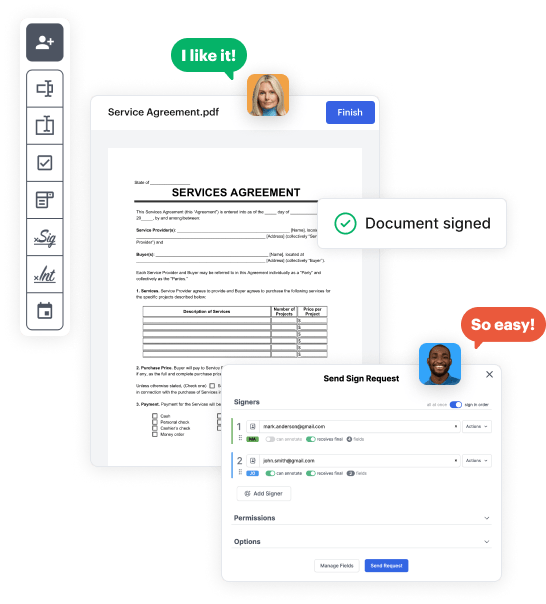
Open the blank document in the editor, set the document view, and add extra pages if applicable.
02. Add and configure fillable fields
Use the top toolbar to insert fields like text and signature boxes, radio buttons, checkboxes, and more. Assign users to fields.
03. Distribute your form
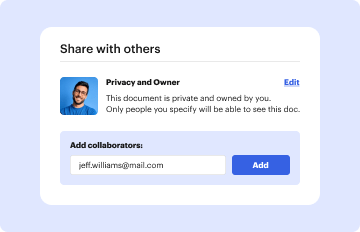
Share your Residential Roofing Contract in seconds via email or a link. You can also download it, export it, or print it out.

A brief tutorial on how to create a polished Residential Roofing Contract

Form edit decoration

Step 1: Sign in to DocHub to begin creating your Residential Roofing Contract.

First, log in to your DocHub account. If you don't have one, you can easily sign up for free.

Step 2: Navigate to the dashboard.

Once you’re in, access your dashboard. This is your main hub for all document-focused activities.

Step 3: Initiate new document creation.

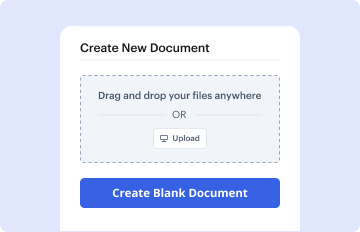
In your dashboard, hit New Document in the upper left corner. Hit Create Blank Document to put together the Residential Roofing Contract from a blank slate.

Step 4: Incorporate template elements.

Add numerous fields like text boxes, photos, signature fields, and other interactive areas to your template and assign these fields to certain users as necessary.

Step 5: Configure your form.

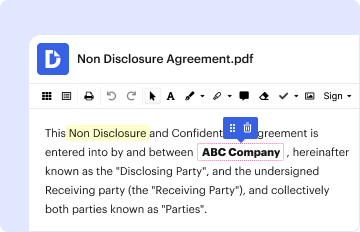
Customize your document by incorporating walkthroughs or any other vital tips leveraging the text tool.

Step 6: Double-check and tweak the form.

Meticulously review your created Residential Roofing Contract for any discrepancies or needed adjustments. Make use of DocHub's editing features to polish your form.

Step 7: Distribute or download the form.

After completing, save your copy. You may choose to keep it within DocHub, export it to various storage options, or forward it via a link or email.


be ready to get more

Build your Residential Roofing Contract in minutes

Start creating now

Got questions?

We have answers to the most popular questions from our customers. If you can't find an answer to your question, please contact us.
Contact us
Create a Roofing Company Business Plan in 5 Steps Step 1: Write an Executive Summary. The executive summary is a brief overview of your business plan. Step 2: Create a Company Overview. Step 3: Complete Market Analysis. Step 4: Complete Competitive Analysis. Step 5: Operations and Management.
When you are writing a roof replacement estimate, there are several important elements that you need to include: 1 Contact Information. 2 Project Scope Description. 3 Project and Cost Breakdown. 4 Comprehensive Timeline. 5 Clear Payment Terms. 6 Warranty and Insurance Information. 7 Legal Terms and Conditions.
Personalize Content: Replace placeholder text with detailed descriptions of the services you offer. Highlight the unique aspects of your roofing solutions to make your proposal stand out. Include Visuals and Plans: Add relevant images, roof plans, and diagrams to make your proposal more engaging and visually appealing.
Here are the things that should go in a roofing estimate. A Complete Overview. A roof repair contractor should outline the entire roofing job and who will handle each aspect. Materials. A roofing estimate should include the type of shingles, flashing, underlayment and ventilation. Cost. Licenses.
Although there is not a standardized proposal template, there are several common elements that are typically included. Project overview and description. Scope of work and deliverables. Project timeline or schedule. Cost estimate and breakdown. Payment terms and conditions. Materials and specifications.
be ready to get more

Build your Residential Roofing Contract in minutes

Start creating now

Related Q&A to Residential Roofing Contract

Roofing contract basics. Contact information. Include the names, phone numbers, addresses, insurance companies, and any other relevant information of both the roofers and the clients. Scope of work. Payment. Warranties. Termination clause. Insurance or contingency. Lien release. Compliance.

Additional resources on building your forms


