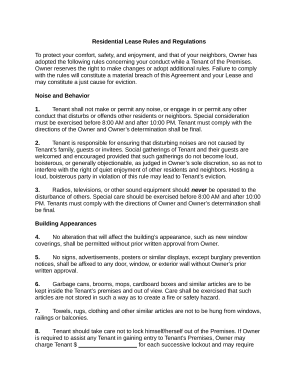
Manage Residential Lease Regulations easily online

Document management can stress you when you can’t find all the documents you require. Fortunately, with DocHub's substantial form categories, you can find everything you need and easily manage it without switching between apps. Get our Residential Lease Regulations and start working with them.

The best way to manage our Residential Lease Regulations using these simple steps:

  1. Examine Residential Lease Regulations and select the form you require.
  2. Review the template and click on Get Form.
  3. Wait for it to open in our online editor.
  4. Adjust your document: include new information and images, and fillable fields or blackout certain parts if necessary.
  5. Fill out your document, conserve adjustments, and prepare it for delivering.
  6. When ready, download your form or share it with your contributors.

Try out DocHub and browse our Residential Lease Regulations category easily. Get your free profile today!


Video Guide on Residential Lease Regulations management

video background

Commonly Asked Questions about Residential Lease Regulations

New York landlords must follow a strict legal process for evictions, which includes serving proper notices, filing a court action, and obtaining a court order before an eviction can take place. Self-help measures such as changing locks or physically removing a tenant are illegal.
For a two-year lease beginning on or after October 1, 2023, and on or before September 30, 2024: For the first year of the lease: 2.75% For the second year of the lease: 3.20% of the amount lawfully charged in the first year, excluding any increases other than the first-year guideline increase.
They must also notify tenants in writing if they do not intend to renew a lease. Specifically: If a tenant has occupied the unit for less than one year, or does not have a lease term of at least one year, a 30-day notice is now mandatory.
If the tenant does not vacate after the expiration of the thirty days, the landlords counsel can proceed with a holdover eviction action in the appropriate local forum. At this point, the parties, through their attorneys, may attempt to negotiate a resolution to the situation.
the landlord of an intention not to renew the lease. (General Obligations Law 5-905). If you have lived in your apartment for less than one year, or have a lease for less than one year, your landlord must provide you with 30 days advanced notice before raising your rent or not renewing your lease.
If you have been living in your home for over a year, your landlord must give at least 60 days notice. If you have been living in your home for more than 2 years, your landlord must give at least 90 days notice. rent as a security deposit. When you move out, they must return the security deposit within 14 days.
Landlords may refuse to renew a lease only under certain enumerated circumstances, such as when the tenant is not using the premises as a primary residence.