

Manage Rental Transaction Documents effortlessly online

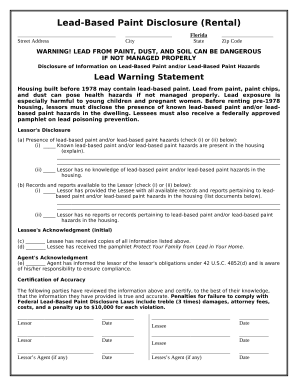
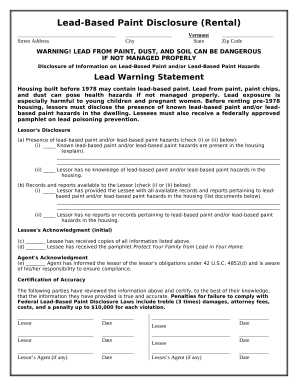
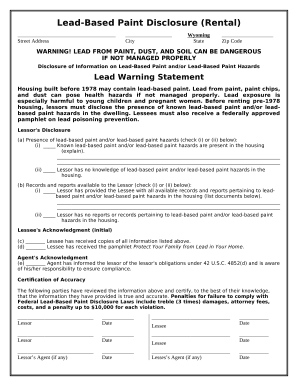
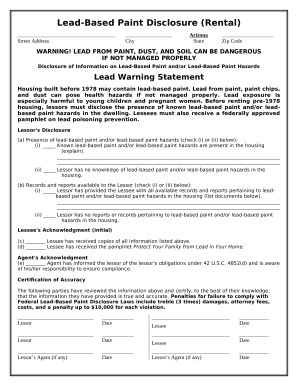
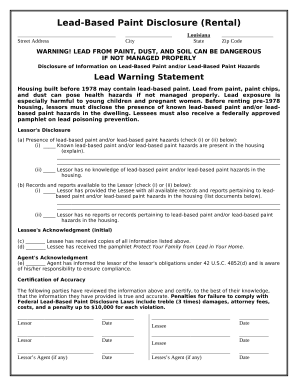
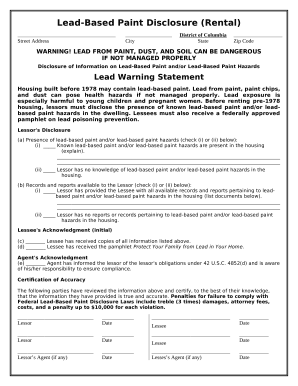
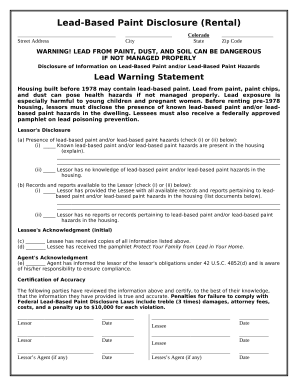
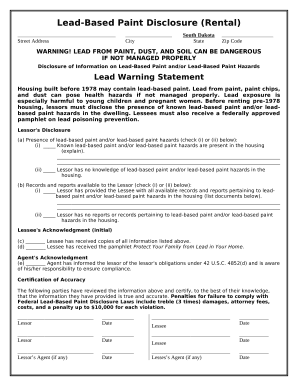
Document managing can stress you when you can’t locate all of the documents you need. Luckily, with DocHub's considerable form categories, you can discover all you need and easily deal with it without changing between software. Get our Rental Transaction Documents and begin working with them.

How to use our Rental Transaction Documents using these simple steps:

  1. Check Rental Transaction Documents and choose the form you need.
  2. Review the template and click on Get Form.
  3. Wait for it to upload in our online editor.
  4. Adjust your template: include new information and pictures, and fillable fields or blackout certain parts if necessary.
  5. Prepare your template, save changes, and prepare it for sending.
  6. When all set, download your form or share it with other contributors.

Try out DocHub and browse our Rental Transaction Documents category easily. Get your free profile right now!


Video Guide on Rental Transaction Documents management

video background

Commonly Asked Questions about Rental Transaction Documents

Im writing to acknowledge and confirm that [he/she] resides at [Street address, City, State] and has done so since [Day/Month/Year] as my tenant. [Tenants name] lives in the home with [Names of other residents who live with the tenant]. [Tenants name] pays me [Rent amount] each month on [Date].
Besides your rental history, bank account number and other details play a crucial role in screening prospective tenants. A look at your bank statements helps property managers determine whether you have enough monthly income not just to afford rent but also other living expenses comfortably.
You should also set up a filing system for storing paper receipts and invoices, such as a folder or binder for each rental property. Keeping digital copies of receipts and invoices in a cloud-based storage system, such as Google Drive or Dropbox is also helpful when keeping expense records.
Heres a list of common fields that should be covered in your lease agreement: Basic information about all tenants. Include the full name and contact information of each tenant. Description of rental property. Security deposit. Monthly rent amount. Utilities. Lease term. Policies. Late fees.
The letter should include the date that the tenant started renting the property, the amount of rent paid, and the date that rent was last paid. For example, if a tenant is applying for a mortgage, the lender may request a proof of rent letter to confirm that the tenant has been paying rent on time.
Rental Transaction means any part of the process or transaction for the rental or lease of a premises for residential.
The letter should include the tenants name, the address of the property, the start and end dates of the lease, the amount of rent paid, and the name and contact information of the landlord or property manager.
Include the date and rental period of the payment, the property address, the tenants full name, and the person receiving the payment. Include the payment amount, the method of payment, the remaining lease balance (if applicable), and any other information that may be important, like late fees.
