
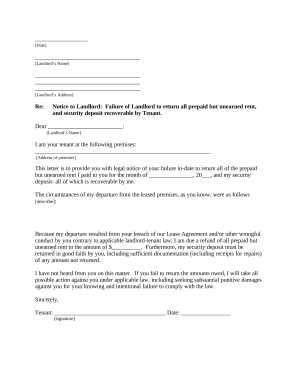
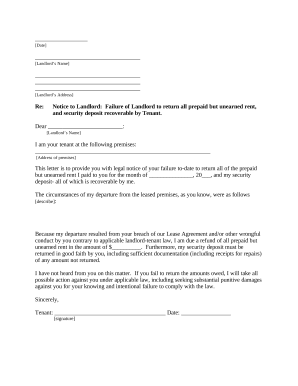
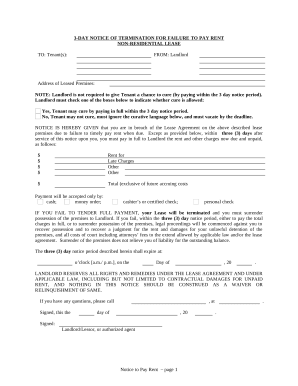
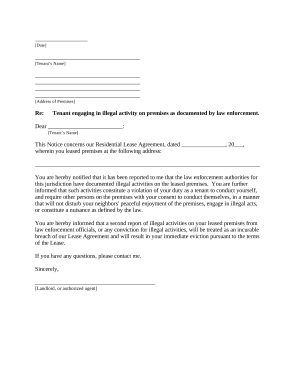
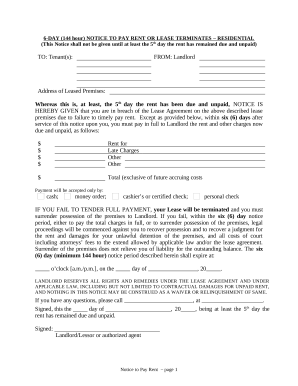
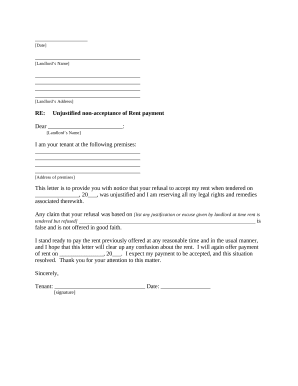
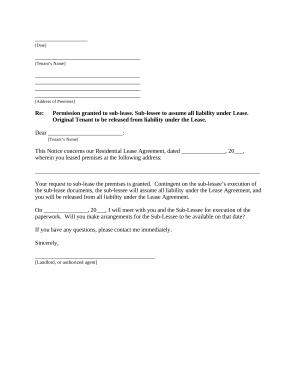
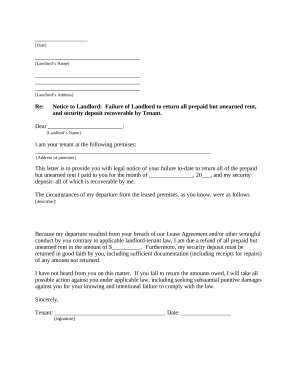
Improve your efficiency with Rental Law

Form managing takes up to half of your office hours. With DocHub, you can easily reclaim your office time and improve your team's efficiency. Get Rental Law collection and explore all form templates relevant to your day-to-day workflows.

The best way to use Rental Law:

  1. Open Rental Law and utilize Preview to get the relevant form.
  2. Click on Get Form to begin working on it.
  3. Wait for your form to open in the online editor and begin editing it.
  4. Add new fillable fields, icons, and images, modify pages, etc.
  5. Fill out your file or set it for other contributors.
  6. Download or share the form by link, email attachment, or invite.

Accelerate your day-to-day document managing with the Rental Law. Get your free DocHub account right now to explore all templates.


Video Guide on Rental Law management

video background

Commonly Asked Questions about Rental Law

While it is not required, it is recommended to include the rent amount, rent due date, and lease length, along with other information in the lease agreement. To break a lease or change its terms, such as increasing rent, a landlord must provide a 60-day written notice for leases of a year but less than two.
The Emergency Tenant Protection Act (ETPA) enables municipalities in New York State to opt-in to rent stabilization. It gives tenants the right to a renewal lease, and provides protections from sudden rent hikes and retaliatory evictions.
Once a tenant vacates an apartment, the owner can legally charge up to the legal regulated rent to the next tenant, except under very limited circumstances. Owners may no longer apply a 20% increase to an apartment rent upon vacancy. Further, no Rent Guide- lines Board is permitted to set a separate vacancy increase.
Under the new Good Cause Eviction law, New Yorkers have the right to continue living in their homes without fear of unreasonable eviction or extreme rent increases. In many situations, tenants of market rate housing will now be covered by more expansive protections. Read below for details.
New York landlords must follow a strict legal process for evictions, which includes serving proper notices, filing a court action, and obtaining a court order before an eviction can take place. Self-help measures such as changing locks or physically removing a tenant are illegal.
For a two-year lease beginning on or after October 1, 2023, and on or before September 30, 2024: For the first year of the lease: 2.75% For the second year of the lease: 3.20% of the amount lawfully charged in the first year, excluding any increases other than the first-year guideline increase.
Tenants Rights and Responsibilities. In New York City, tenants have many rights relating to the safety and quality of their housing. Tenants should expect to live in safe, well-maintained buildings that are free from vermin, leaks, and hazardous conditions. Laws protect tenants from harassment and discrimination.
If you have been living in your home for over a year, your landlord must give at least 60 days notice. If you have been living in your home for more than 2 years, your landlord must give at least 90 days notice. rent as a security deposit. When you move out, they must return the security deposit within 14 days.
