


Create your Renovation Contractor Legal Form from scratch

Start Building Now
Title decoration

Here's how it works

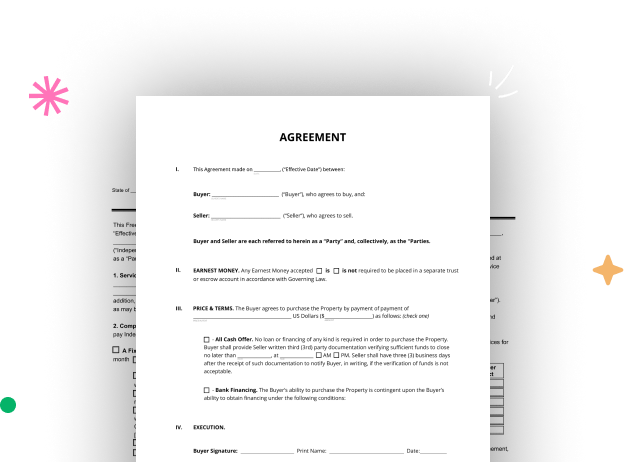
01. Start with a blank Renovation Contractor Legal Form
Open the blank document in the editor, set the document view, and add extra pages if applicable.
02. Add and configure fillable fields
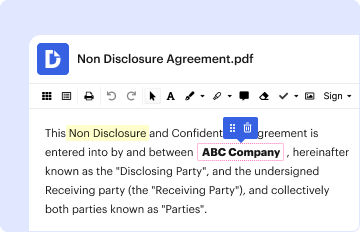
Use the top toolbar to insert fields like text and signature boxes, radio buttons, checkboxes, and more. Assign users to fields.
03. Distribute your form
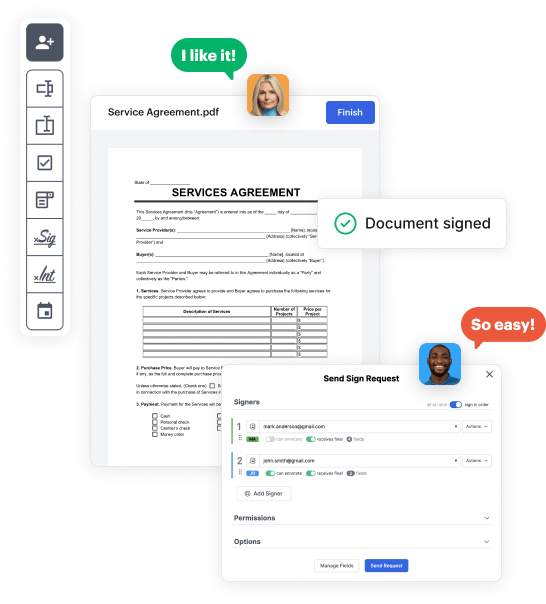
Share your Renovation Contractor Legal Form in seconds via email or a link. You can also download it, export it, or print it out.

A quick tutorial on how to set up a polished Renovation Contractor Legal Form

Form edit decoration

Step 1: Log in to DocHub to begin creating your Renovation Contractor Legal Form.

First, log in to your DocHub account. If you don't have one, you can easily sign up for free.

Step 2: Go to the dashboard.

Once logged in, go to your dashboard. This is your primary hub for all document-based activities.

Step 3: Initiate new document creation.

In your dashboard, click on New Document in the upper left corner. Opt for Create Blank Document to create the Renovation Contractor Legal Form from a blank slate.

Step 4: Add template elements.

Add numerous elements like text boxes, photos, signature fields, and other fields to your template and assign these fields to particular individuals as necessary.

Step 5: Adjust your document.

Personalize your form by incorporating instructions or any other essential information utilizing the text option.

Step 6: Go over and tweak the document.

Thoroughly go over your created Renovation Contractor Legal Form for any discrepancies or essential adjustments. Leverage DocHub's editing features to polish your document.

Step 7: Send out or export the document.

After completing, save your copy. You can choose to retain it within DocHub, transfer it to various storage services, or forward it via a link or email.


be ready to get more

Build your Renovation Contractor Legal Form in minutes

Start creating now

Got questions?

We have answers to the most popular questions from our customers. If you can't find an answer to your question, please contact us.
Contact us
Elements of a construction contract Name of contractor and contact information. Name of homeowner and contact information. Describe property in legal terms. List attachments to the contract. The cost. Failure of homeowner to obtain financing. Description of the work and the completion date. Right to stop the project.
How Do I Write an Independent Contractor Proposal? Names and contact information of the owner and contractor. Work location. Detailed description of the work to be done (scope of work) Cost of the work and payment schedule. Signatures of both parties and the date.
How to Write a Contractor Agreement Outline Services Provided. The contractor agreement should list all services the contractor will provide. Document Duration of the Work. Specify the duration of the working relationship. Outline Payment Terms. Outline Confidentiality Agreement. Consult with a Lawyer.
An Independent Contractor Agreement is a legal contract that outlines the scope, payment schedule, and deadlines for freelance work. Signed by both the contractor and the client, this agreement can help to set expectations and reduce the risk of conflicts.
Even more important, a written independent contractor agreement helps establish a workers independent contractor status by showing the IRS and other agencies that both you and the worker intended to create a hiring firm/independent contractor relationship, not an employer/employee relationship.
be ready to get more

Build your Renovation Contractor Legal Form in minutes

Start creating now

Related Q&A to Renovation Contractor Legal Form

Why You Need a Business Contract Lawyer. If youre asking whether you need a lawyer to draft a contract, legally, the answer is no. Anyone can draft a contract on their own and as long as the elements above are included and both parties are legally competent and consent to the agreement, it is generally lawful.
Here are some items to consider: Establish the contractor relationship. Define length of engagement for independent contractor jobs. Determine scope of work and deliverables. Agree on payment terms. Professional obligations. Maintain confidentiality. Put in a non-solicitation clause. Indicate grounds for termination.
The contract should describe, in detail, the products to be used and how the work will be performed, i.e., size, color, who will be doing what work, amounts of materials provided, manufacturer model number, etc. There must be a detailed, written payment schedule in the contract.

Additional resources on building your forms