
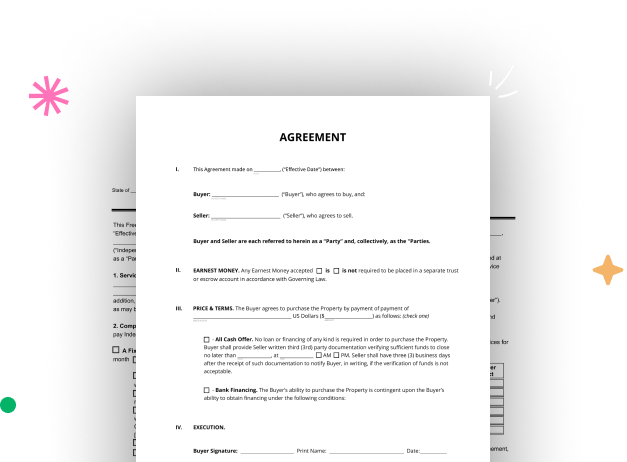
Create your Real Estate Transaction from scratch

Start Building Now
Title decoration

Here's how it works

01. Start with a blank Real Estate Transaction
Open the blank document in the editor, set the document view, and add extra pages if applicable.
02. Add and configure fillable fields
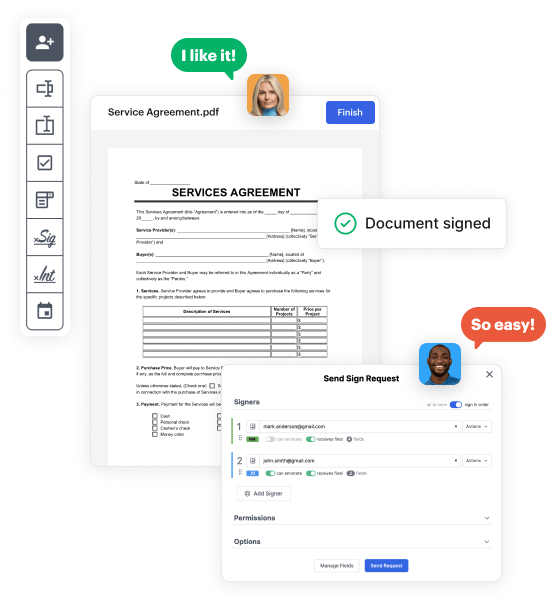
Use the top toolbar to insert fields like text and signature boxes, radio buttons, checkboxes, and more. Assign users to fields.
03. Distribute your form
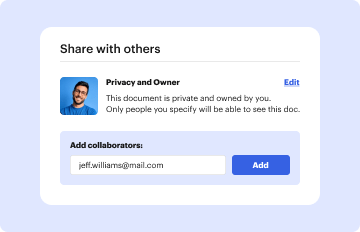
Share your Real Estate Transaction in seconds via email or a link. You can also download it, export it, or print it out.

Create your Real Estate Transaction in a matter of minutes

Form edit decoration

Step 1: Access DocHub to set up your Real Estate Transaction.

Begin signining into your DocHub account. Explore the advanced DocHub functionality free for 30 days.

Step 2: Go to the dashboard.

Once signed in, head to the DocHub dashboard. This is where you'll build your forms and handle your document workflow.

Step 3: Design the Real Estate Transaction.

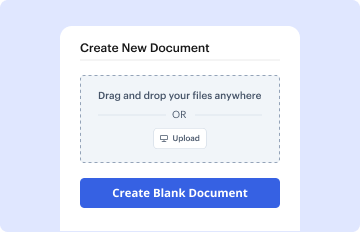
Hit New Document and select Create Blank Document to be taken to the form builder.

Step 4: Set up the form layout.

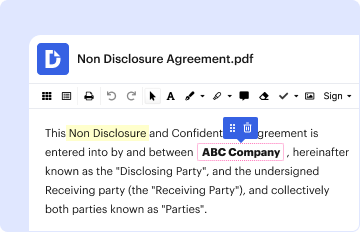
Use the DocHub features to insert and arrange form fields like text areas, signature boxes, images, and others to your document.

Step 5: Add text and titles.

Include needed text, such as questions or instructions, using the text field to guide the users in your document.

Step 6: Configure field properties.

Alter the properties of each field, such as making them compulsory or formatting them according to the data you expect to collect. Assign recipients if applicable.

Step 7: Review and save.

After you’ve managed to design the Real Estate Transaction, make a final review of your document. Then, save the form within DocHub, transfer it to your preferred location, or distribute it via a link or email.


be ready to get more

Build your Real Estate Transaction in minutes

Start creating now

Got questions?

We have answers to the most popular questions from our customers. If you can't find an answer to your question, please contact us.
Contact us
The Transaction Timeline helps track milestones occurring after an accepted offer through the close of escrow. Glide pulls key dates from the Residential Purchase Agreement (C.A.R. form RPA) into a customizable timeline.
The real estate buying process can be broken down into the following stages: Shopping. Offer. Negotiation. Inspection. Insurance. Financing and Appraisal. Closing and Possession.
The real estate cycle consists of four distinct phases: recovery, expansion, hyper supply, and recession.
In this article, real estate transaction refers to any action related to the purchase or sale of a property / real estate. This includes, for example, preparing the sale of a property, making and receiving offers, valuing and inspecting the property, and drawing up and signing the sales agreement.
A real estate transaction is the process whereby rights in a unit of property (or designated real estate) are transferred between two or more parties, e.g. in the case of conveyance one party being the seller(s) and the other being the buyer(s).
be ready to get more

Build your Real Estate Transaction in minutes

Start creating now

Related Q&A to Real Estate Transaction

Heres a tip: Keep a checklist for each stage to ensure youre on track. Stage 1: Property Search and Offer. Stage 2: Due Diligence and Inspections. Stage 3: Securing Financing. Stage 4: Closing the Deal.
The lifecycle of a commercial real estate transaction includes three distinct stages: acquisition, operation, and disposition. These phases together make up the asset ownership lifecycle.
To be completed, the real estate transaction must generally include the following parts: Pre-contract period: This includes all negotiations prior to signing a contract. Due diligence period: This is the time for inspections. Financing period: Final financial arrangements are made.

Additional resources on building your forms

