Manage Real Estate Interest Disclaimers effortlessly online

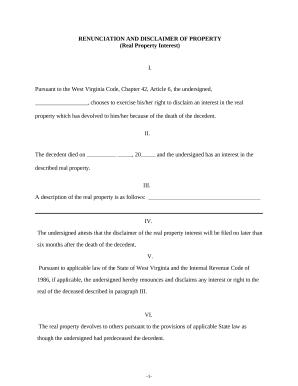
Document management can stress you when you can’t discover all of the forms you require. Luckily, with DocHub's considerable form library, you can get everything you need and promptly deal with it without changing between apps. Get our Real Estate Interest Disclaimers and begin working with them.

Using our Real Estate Interest Disclaimers using these basic steps:

  1. Examine Real Estate Interest Disclaimers and choose the form you require.
  2. Review the template and click on Get Form.
  3. Wait for it to open in our online editor.
  4. Alter your document: include new information and images, and fillable fields or blackout certain parts if required.
  5. Fill out your document, save changes, and prepare it for delivering.
  6. When you are ready, download your form or share it with your contributors.

Try out DocHub and browse our Real Estate Interest Disclaimers category easily. Get a free account today!


Video Guide on Real Estate Interest Disclaimers management

video background

Commonly Asked Questions about Real Estate Interest Disclaimers

A qualified disclaimer is a part of the U.S. tax code that allows estate assets to pass to a beneficiary without being subject to income tax. Legally, the disclaimer portrays the transfer of assets as if the intended beneficiary never actually received them.
Though the difference between a qualified disclaimer and a non-qualified disclaimer, is simple, the tax implications to the disclaimant can be dire: if a disclaimant executes a non-qualified disclaimer of an asset, they are treated as making a gift of the asset to the next person in line for the asset, whereas, if a
As a more straightforward example, if a parent leaves their home to their children under a will, then all of those children are beneficiaries under the code. This is where the disclaimer comes in. There is an interest that will be adjudicated by the probate court.
A person who receives an interest in property as the result of a qualified disclaimer of the interest must disclaim the previously disclaimed interest no later than 9 months after the date of the transfer creating the interest in the preceding disclaimant.
The three characteristics of a qualified disclaimer are: It may not direct the bequest to another person selected by the disclaimant. This means that the disclaimant cannot choose where the bequest goes if they decide to disclaim it. It must be written and irrevocable. The disclaimant may disclaim a part of an asset.
As-Is Sale Disclaimer Example: Property is sold as-is without any guarantee or warranty by the seller. All inspections are the responsibility of the purchaser.
Example:I [yourname] hereby disclaim all of my interest in the estate of [name of decedent; probate case number, if any] and any inter vivos trust(s) interests to which I am entitled to take as a beneficiary from the aforementioned decedent.