
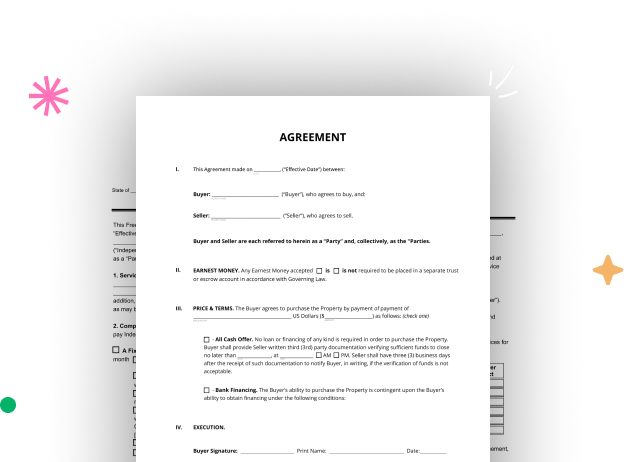

Create your Real Estate Inspection Checklist from scratch

Start Building Now
Title decoration

Here's how it works

01. Start with a blank Real Estate Inspection Checklist
Open the blank document in the editor, set the document view, and add extra pages if applicable.
02. Add and configure fillable fields
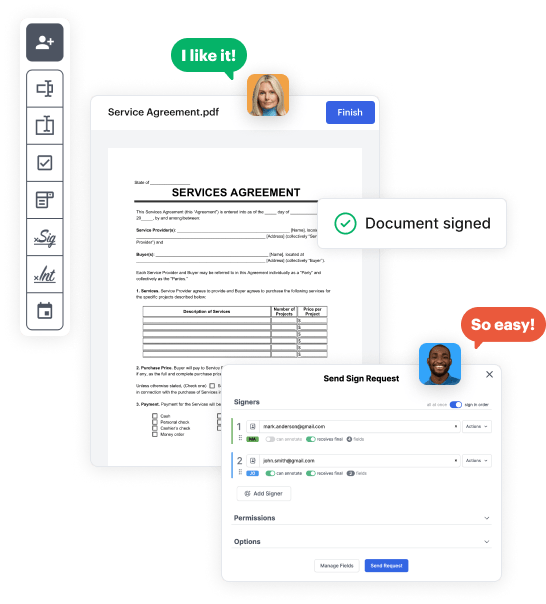
Use the top toolbar to insert fields like text and signature boxes, radio buttons, checkboxes, and more. Assign users to fields.
03. Distribute your form
Share your Real Estate Inspection Checklist in seconds via email or a link. You can also download it, export it, or print it out.

A detailed walkthrough of how to build your Real Estate Inspection Checklist online

Form edit decoration

Step 1: Start with DocHub's free trial.

Visit the DocHub website and sign up for the free trial. This provides access to every feature you’ll need to build your Real Estate Inspection Checklist with no upfront cost.

Step 2: Navigate to your dashboard.

Log in to your DocHub account and navigate to the dashboard.

Step 3: Craft a new document.

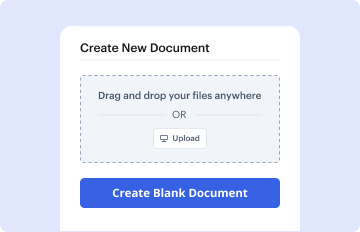
Click New Document in your dashboard, and select Create Blank Document to create your Real Estate Inspection Checklist from scratch.

Step 4: Utilize editing tools.

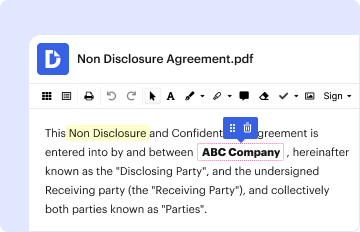
Insert various elements such as text boxes, radio buttons, icons, signatures, etc. Organize these elements to suit the layout of your form and designate them to recipients if needed.

Step 5: Organize the form layout.

Organize your form quickly by adding, moving, deleting, or combining pages with just a few clicks.

Step 6: Set up the Real Estate Inspection Checklist template.

Transform your freshly designed form into a template if you need to send multiple copies of the same document repeatedly.

Step 7: Save, export, or distribute the form.

Send the form via email, distribute a public link, or even post it online if you wish to collect responses from more recipients.


be ready to get more

Build your Real Estate Inspection Checklist in minutes

Start creating now

Got questions?

We have answers to the most popular questions from our customers. If you can't find an answer to your question, please contact us.
Contact us
Worn roofing You can find red flags indicative of poor roofing on both the homes interior and exterior. Outside vegetation thats touching or in close proximity to the roof typically hides or contributes to roof damage. Discolored shingles also implicate water damage and previous repairs.
An inspection checklist, when used properly, is an assurance that a particular piece of equipment has been inspected. As each item on the checklist is ticked off, the person doing the inspection is verifying that each component of the equipment is in correct working order.
Be conscious of these risks while inspecting an attic. Crawlspaces pose the riskiest part of a home inspection.
Keep checklists short and focused Inspection checklists should have only 10-20 check points to heighten the inspectors awareness of critical items. A checklist is not a replacement for the specifications and does not need to recast every requirement as a checkpoint.
Mold. The vast majority of homes have some sort of mold growth. Worn roofing. You can find red flags indicative of poor roofing on both the homes interior and exterior. Run-down decks. Galvanized pipes. Grading and drainage issues. HVAC havoc. Get peace of mind with a home inspection from NPI. About Bill Erickson.
be ready to get more

Build your Real Estate Inspection Checklist in minutes

Start creating now

Related Q&A to Real Estate Inspection Checklist

During a home tour, watch for these red flags: Structural issues: Cracks in walls or ceilings, uneven floors, or doors/windows not closing properly. Water damage: Water stains, mold, or musty smells. Roof condition: Missing/damaged shingles or sagging. Poor maintenance: Neglected appearance may indicate other issues.
Cracked or Bowing Walls: Cracks in walls are not merely cosmetic issues; they can be symptomatic of underlying structural problems. Horizontal cracks, bulging walls, or gaps between walls and ceilings could indicate issues with the load-bearing capacity of the walls, compromised foundation, or poor construction.
Pay attention to the major home components during the inspection. This includes the foundation, the electrical wiring, the roof, the plumbing, the drainage and the HVAC system.

Additional resources on building your forms


