


Create your Property Transfer on Death Deed from scratch

Start Building Now
Title decoration

Here's how it works

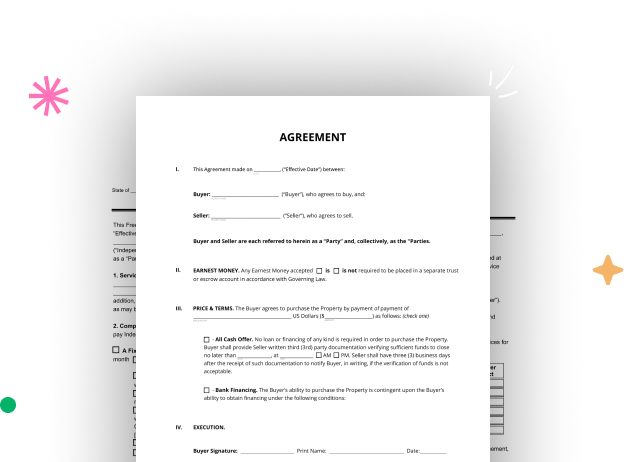
01. Start with a blank Property Transfer on Death Deed
Open the blank document in the editor, set the document view, and add extra pages if applicable.
02. Add and configure fillable fields
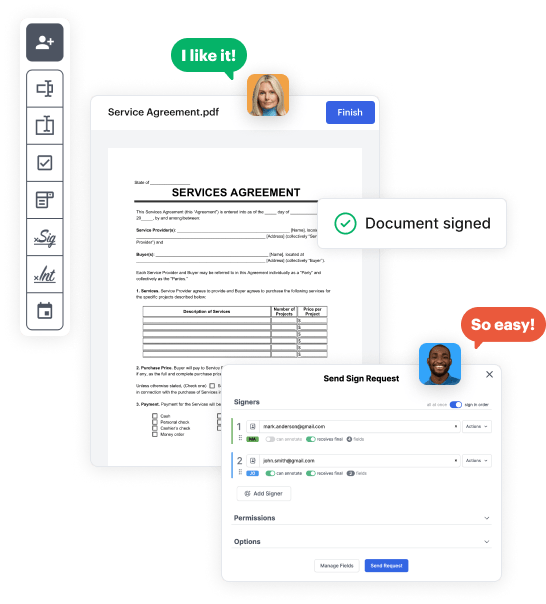
Use the top toolbar to insert fields like text and signature boxes, radio buttons, checkboxes, and more. Assign users to fields.
03. Distribute your form
Share your Property Transfer on Death Deed in seconds via email or a link. You can also download it, export it, or print it out.

Craft Property Transfer on Death Deed from the ground up by following these detailed instructions

Form edit decoration

Step 1: Open DocHub and get going.

Start by creating a free DocHub account using any available sign-up method. Just log in if you already have one.

Step 2: Sign up for a free 30-day trial.

Try out the whole suite of DocHub's advanced tools by registering for a free 30-day trial of the Pro plan and proceed to build your Property Transfer on Death Deed.

Step 3: Build a new blank form.

In your dashboard, hit the New Document button > scroll down and choose to Create Blank Document. You’ll be redirected to the editor.

Step 4: Organize the document’s layout.

Use the Page Controls icon indicated by the arrow to switch between two page views and layouts for more convenience.

Step 5: Begin by adding fields to design the dynamic Property Transfer on Death Deed.

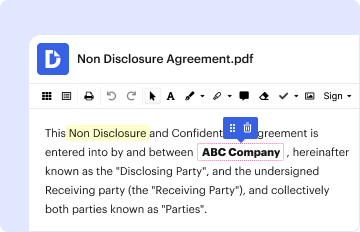
Explore the top toolbar to place document fields. Insert and arrange text boxes, the signature block (if applicable), insert images, etc.

Step 6: Prepare and customize the incorporated fields.

Configure the fields you incorporated per your chosen layout. Customize each field's size, font, and alignment to ensure the form is easy to use and professional.

Step 7: Finalize and share your form.

Save the ready-to-go copy in DocHub or in platforms like Google Drive or Dropbox, or create a new Property Transfer on Death Deed. Send out your form via email or utilize a public link to reach more people.


be ready to get more

Build your Property Transfer on Death Deed in minutes

Start creating now

Got questions?

We have answers to the most popular questions from our customers. If you can't find an answer to your question, please contact us.
Contact us
There seems to be a common misconception that adding a Transfer on Death (TOD) designation (also known as a beneficiary designation) to assets will cure all concerns at death. For the majority of families, this is not an accurate belief. While a TOD may avoid Probate, it does not solve all family concerns at death.
TOD accounts offer several advantages. The main benefits are that these accounts avoid probate, are easy and cost-effective to set up, and generally transfer assets to beneficiaries very quickly.
However, there are many cons of TOD deeds: TOD Deeds do not always avoid probate. If a named beneficiary becomes disabled prior to the death of the owner, a disabled beneficiary could be knocked off of public benefits, such as SSI and Medicaid.
A TOD deed is generally void if it is not recorded before the death of the owner. A TOD deed is not a good choice if the beneficiary needs to sell the property and receive the proceeds soon after the owners death, because doing so may not be possible until 12 months or after the owners death. Are Transfer on Death (TOD) Deeds a Good Alternative to farrlawfirm.com are-transfer-on-death-de farrlawfirm.com are-transfer-on-death-de
A Transfer on Death (TOD) deed must meet specific requirements to be effective and legally binding. The deed must include language that the transfer to the designated beneficiary occurs at the transferors death. All deeds require a notary, but this particular deed requires two witnesses (like a Will).
be ready to get more

Build your Property Transfer on Death Deed in minutes

Start creating now

Related Q&A to Property Transfer on Death Deed

Disadvantages of transfer on death deeds Creditors may come after the new owner(s) of the property. Beneficiaries may get equal shares of the asset. Not available in many states. Unintentional disinheritance. Raises the risk that estate planning documents dont match.
A beneficiary form states who will directly inherit the asset at your death. Under a TOD arrangement, you keep full control of the asset during your lifetime and pay taxes on any income the asset generates as you own it outright. TOD arrangements require minimal paperwork to establish. The Differences Between a Transfer on Death Account a Living Trust Pacifica Wealth Advisors the-differences-betwee Pacifica Wealth Advisors the-differences-betwee
Designated beneficiaries receive the funds without having to wait for probate to conclude, which can take months. A POD or TOD account allows loved ones to get money almost immediately. Typically, all they need to provide is the death certificate and identification to the account-holding institution.
The primary advantage of a transfer on death deed is to avoid the probate process. If a property owner has executed a transfer on death deed, then as soon as the property owner dies, that property passes to the person named. The beneficiary does not have to go to court. What Are the Pros and Cons of Transfer on Death Deeds? | Blog Jenkins Fenstermaker, PLLC blog pros-and- Jenkins Fenstermaker, PLLC blog pros-and-
A TOD doesnt provide creditor protection for the beneficiaries the way a formal trust does, and most financial institutions dont allow TODs to name formal trusts as their beneficiaries. The institutions allow only individuals as beneficiaries of TODs. For asset protection, you might want to create a formal trust.

Additional resources on building your forms

