Create your Property Transfer Letter from scratch

Start Building Now
Title decoration

Here's how it works

01. Start with a blank Property Transfer Letter
Open the blank document in the editor, set the document view, and add extra pages if applicable.
02. Add and configure fillable fields
Use the top toolbar to insert fields like text and signature boxes, radio buttons, checkboxes, and more. Assign users to fields.
03. Distribute your form
Share your Property Transfer Letter in seconds via email or a link. You can also download it, export it, or print it out.

Create Property Transfer Letter from the ground up with these step-by-step instructions
Form edit decoration

Step 1: Get started with DocHub.

Begin by setting up a free DocHub account using any offered sign-up method. If you already have one, simply log in.

Step 2: Sign up for a free 30-day trial.

Try out the complete suite of DocHub's advanced features by registering for a free 30-day trial of the Pro plan and proceed to build your Property Transfer Letter.

Step 3: Start with a new empty doc.

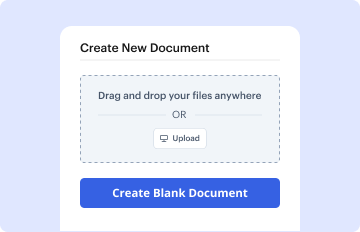
In your dashboard, select the New Document button > scroll down and hit Create Blank Document. You’ll be redirected to the editor.

Step 4: Organize the document’s layout.

Use the Page Controls icon indicated by the arrow to switch between different page views and layouts for more convenience.

Step 5: Begin by inserting fields to create the dynamic Property Transfer Letter.

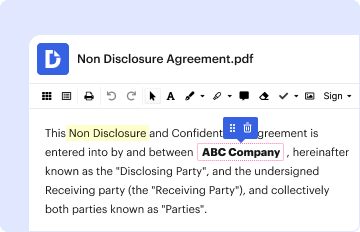
Use the top toolbar to place document fields. Insert and arrange text boxes, the signature block (if applicable), insert images, etc.

Step 6: Prepare and configure the added fields.

Arrange the fields you added per your desired layout. Personalize the size, font, and alignment to make sure the form is user-friendly and neat-looking.

Step 7: Finalize and share your template.

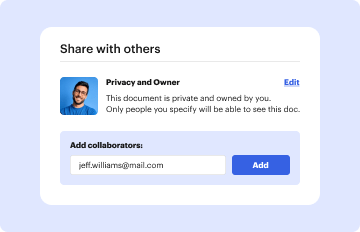
Save the completed copy in DocHub or in platforms like Google Drive or Dropbox, or craft a new Property Transfer Letter. Send out your form via email or utilize a public link to reach more people.

be ready to get more

Build your Property Transfer Letter in minutes

Start creating now

Got questions?

We have answers to the most popular questions from our customers. If you can't find an answer to your question, please contact us.
Contact us
Transfer Approval means any authorization, approval, order, license, permit, franchise or consent from any third party, Governmental Authority or Taxing Authority (other than as required under the Antitrust Laws).
How to complete sample letter of ownership of property Start by including the current date at the top of the letter. Provide the propertys address and legal description. Include your name, contact information, and any other relevant personal details. Clearly state that you are the legal owner of the property.
The most common way to transfer property is through a general warranty deed (sometimes called a grant deed). A general warranty deed guarantees good title from the beginning of time.
A transferring letter refers to an official document written by an employee requesting a transfer to one of a companys other locations.
An ownership transfer letter can be written in the following way: Explain the purpose of the transfer request letter. Consider the overall position of the asset. Mention how the transfer will be of mutual benefit. Ensure the clarity of pints. Mention details of who is involved. Terms, conditions, and legal obligations.
be ready to get more

Build your Property Transfer Letter in minutes

Start creating now

Related Q&A to Property Transfer Letter

The Ownership Transfer Letter Template serves as a comprehensive tool for facilitating the smooth transition of ownership rights, covering key details and providing a clear framework for the transfer process.
By following these simple steps, you can create a clear and compelling letter that will help you get the transfer you want. 1.1 Start with a clear subject line. 1.3 Begin with a polite and professional greeting. 1.4 State your request clearly and concisely. 1.5 Explain your reasons for requesting the transfer.

Additional resources on building your forms