
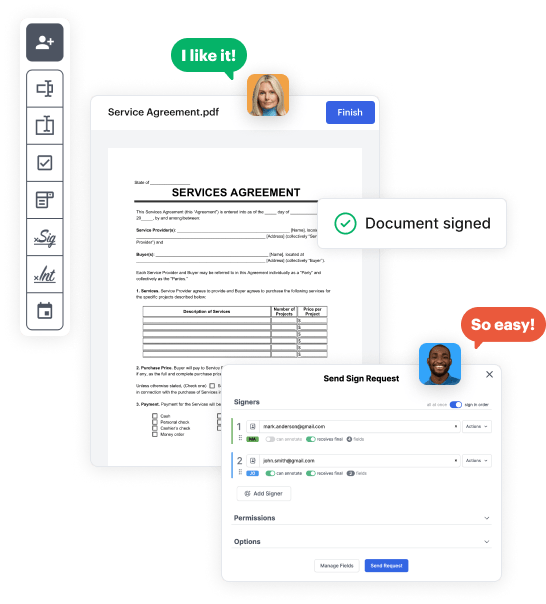
Create your Professional HR Document from scratch

Start Building Now
Title decoration

Here's how it works

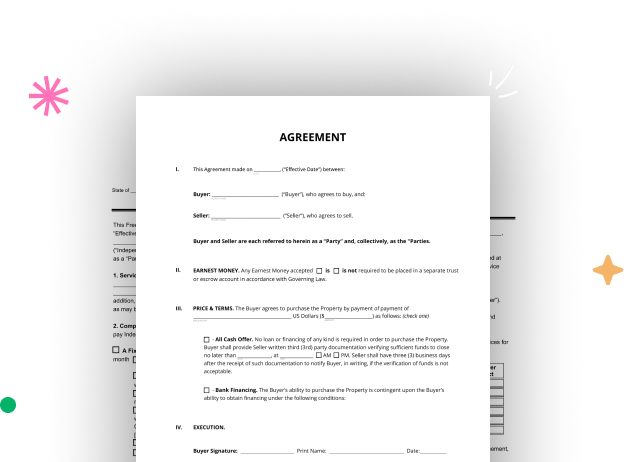
01. Start with a blank Professional HR Document
Open the blank document in the editor, set the document view, and add extra pages if applicable.
02. Add and configure fillable fields
Use the top toolbar to insert fields like text and signature boxes, radio buttons, checkboxes, and more. Assign users to fields.
03. Distribute your form
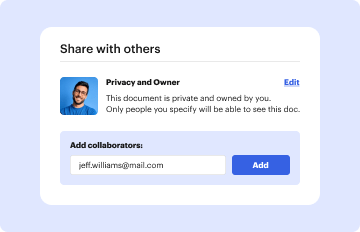
Share your Professional HR Document in seconds via email or a link. You can also download it, export it, or print it out.

Create your Professional HR Document in a matter of minutes

Form edit decoration

Step 1: Access DocHub to set up your Professional HR Document.

Begin signining into your DocHub account. Try out the advanced DocHub functionality at no cost for 30 days.

Step 2: Navigate to the dashboard.

Once signed in, go to the DocHub dashboard. This is where you'll create your forms and handle your document workflow.

Step 3: Create the Professional HR Document.

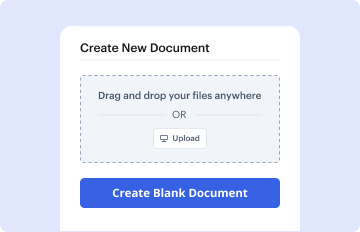
Hit New Document and choose Create Blank Document to be redirected to the form builder.

Step 4: Design the form layout.

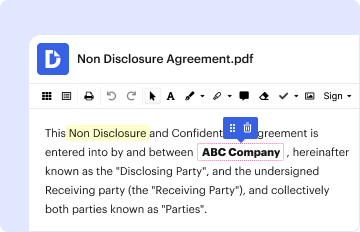
Use the DocHub toolset to insert and arrange form fields like text areas, signature boxes, images, and others to your form.

Step 5: Insert text and titles.

Include necessary text, such as questions or instructions, using the text field to assist the users in your document.

Step 6: Customize field properties.

Adjust the properties of each field, such as making them mandatory or formatting them according to the data you plan to collect. Assign recipients if applicable.

Step 7: Review and save.

After you’ve managed to design the Professional HR Document, make a final review of your form. Then, save the form within DocHub, transfer it to your selected location, or distribute it via a link or email.


be ready to get more

Build your Professional HR Document in minutes

Start creating now

Got questions?

We have answers to the most popular questions from our customers. If you can't find an answer to your question, please contact us.
Contact us
The things to include in an employees personnel file are: Job application, CV and cover letter. Education and past employment info. Role description. Job offer letter and employment contract. Emergency contact information. Training records. Payroll and benefits information (but not bank details) Performance appraisal forms.
10 HR Documents Every Small Business Should Have Offer Letter. After choosing the right person for the job, send an offer letter for them to sign. Employment Agreement. New Employee Documents. Personnel File. Employee Medical Records. Workforce Data Report. Payroll Information. Employee Handbook.
How to create a human resource strategy Understand the business and its objectives. Evaluate employee skillsets. Conduct a gap analysis. Assess talent strategy. Develop existing employees. Limit turnover. Plan ahead for succession. Rely on analytics.
The best way to organize employee files is electronically, ideally using a dedicated HR document management system like Connecteam. You can create a standardized file naming system, control access permissions, easily stay on top of document expirations, and more.
These may include documents concerning taxes, benefits, health insurance, payroll records, and deductions among others. These make up the standard HR documentation process for personnel in the department to keep track of. These documents are important to satisfy legal disclosure regulations.
be ready to get more

Build your Professional HR Document in minutes

Start creating now

Related Q&A to Professional HR Document

What is HR documentation? HR documentation refers to a set of records that businesses maintain to provide evidence, track changes and report information that may inform decisions. This documentation typically includes records of employment, information about company actions and incident reports.
1. Start With Employment Documentation and Relationship Statuses Job application, resume, and cover letter. Employment verification and signed offer letters. Emergency contact information. Performance assessments, evaluations, and more. Compensation information and IRS withholding documents.
Step 1: Create a New Spreadsheet. Your first step is to create the employee database spreadsheet. Step 2: Add Columns. Step 3: Collect and Enter Employee Information. Step 4: Set Permissions Access. Step 5: Keep Your Employee Database Updated.

Additional resources on building your forms


