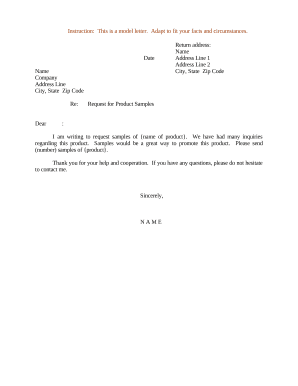
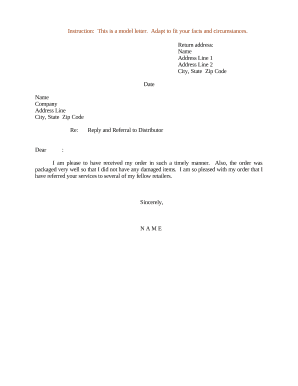
Handle Professional Communication Templates effortlessly online

Document management can stress you when you can’t discover all of the documents you require. Luckily, with DocHub's substantial form library, you can find everything you need and swiftly manage it without switching between apps. Get our Professional Communication Templates and start utilizing them.

The best way to manage our Professional Communication Templates using these easy steps:

  1. Browse Professional Communication Templates and choose the form you require.
  2. Preview the template and then click Get Form.
  3. Wait for it to upload in the online editor.
  4. Edit your form: add new information and pictures, and fillable fields or blackout certain parts if needed.
  5. Prepare your form, save adjustments, and prepare it for sending.
  6. When all set, download your form or share it with other contributors.

Try out DocHub and browse our Professional Communication Templates category without trouble. Get your free profile right now!


Video Guide on Professional Communication Templates management

video background

Commonly Asked Questions about Professional Communication Templates

4 Types of Communication: Verbal, Non-verbal, Written, Visual.
Reports, proposals, emails, letters, and memos are examples of written communication in a professional setting. Written communication is generally considered more formal than other types of communication.
Any written message exchanged between two or more people. Reports, proposals, emails, letters, and memos are examples of written communication in a professional setting. Written communication is generally considered more formal than other types of communication.
Be concise and clearly state the point of your message. Avoid slang and use professional language. Make sure you are conveying truthful information. Use proper grammar and, if written, proper punctuation and be sure to proofread your message.
The 7 Cs stand for: clear, concise, concrete, correct, coherent, complete, and courteous. Though there are a few variations. You can use the 7 Cs as a checklist in your written and spoken messages. Follow our examples to learn how!
A few common forms of written communications include memos, bulletins, emails, faxes, and written advertisements.
For example, delivering a persuasive presentation, writing a concise email, or engaging in a productive meeting demonstrates effective professional communication by conveying messages clearly and professionally.