
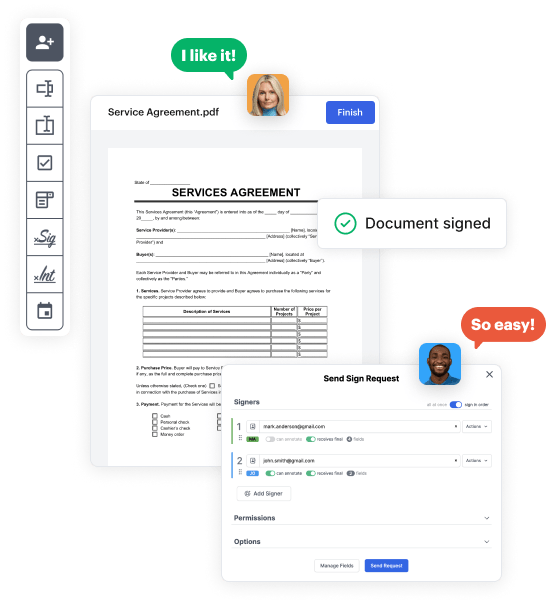
Create your Professional Communication Letter from scratch

Start Building Now
Title decoration

Here's how it works

01. Start with a blank Professional Communication Letter
Open the blank document in the editor, set the document view, and add extra pages if applicable.
02. Add and configure fillable fields
Use the top toolbar to insert fields like text and signature boxes, radio buttons, checkboxes, and more. Assign users to fields.
03. Distribute your form
Share your Professional Communication Letter in seconds via email or a link. You can also download it, export it, or print it out.

Craft Professional Communication Letter from scratch by following these comprehensive instructions

Form edit decoration

Step 1: Start off by launching DocHub.

Begin by registering a free DocHub account using any offered sign-up method. Just log in if you already have one.

Step 2: Register for a free 30-day trial.

Try out the complete suite of DocHub's pro features by registering for a free 30-day trial of the Pro plan and proceed to craft your Professional Communication Letter.

Step 3: Create a new empty doc.

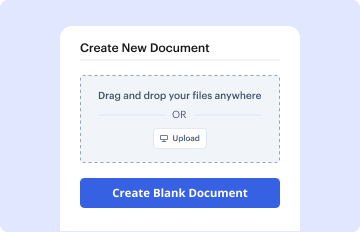
In your dashboard, hit the New Document button > scroll down and hit Create Blank Document. You’ll be redirected to the editor.

Step 4: Organize the document’s view.

Utilize the Page Controls icon marked by the arrow to switch between two page views and layouts for more flexibility.

Step 5: Begin by inserting fields to design the dynamic Professional Communication Letter.

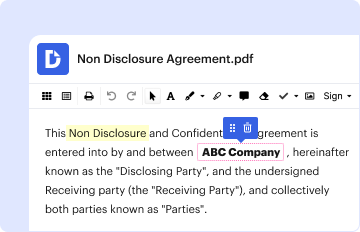
Use the top toolbar to place document fields. Add and arrange text boxes, the signature block (if applicable), insert images, etc.

Step 6: Prepare and configure the incorporated fields.

Arrange the fields you incorporated based on your desired layout. Modify each field's size, font, and alignment to make sure the form is straightforward and neat-looking.

Step 7: Finalize and share your template.

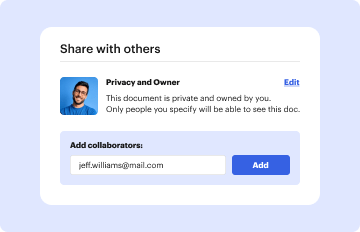
Save the ready-to-go copy in DocHub or in platforms like Google Drive or Dropbox, or create a new Professional Communication Letter. Share your form via email or use a public link to reach more people.


be ready to get more

Build your Professional Communication Letter in minutes

Start creating now

Got questions?

We have answers to the most popular questions from our customers. If you can't find an answer to your question, please contact us.
Contact us
While To whom it may concern: and Dear sir or Dear madam are appropriate ways to start a business letter, using the recipients name in your salutation will make your business letter feel much warmer and more personal.
Professional correspondence is communication between two or more parties through professional writing of letters and emails. Professional correspondence reflects a persons level of competency and professionalism.
What are the components of a professional letter? Your return address. The recipients address. A greeting. The Body (the content of the letter) A closing (such as sincerely) Both your handwritten signature and your name typed.
The most common layout of a business letter is known as block format. Using this format, the entire letter is left justified and single spaced except for a double space between paragraphs. Another widely utilized format is known as modified block format.
Professional letter formats Three common layouts you might find on a template include: Block: All the text in the letter aligns to the left, with a space between each paragraph or section. Modified block: Contact information and signature are in the center, and the body text aligns to the left.
be ready to get more

Build your Professional Communication Letter in minutes

Start creating now

Related Q&A to Professional Communication Letter

Remember that a letter has five main areas: The heading, which establishes the sender, often including address and date. The introduction, which establishes the purpose. The body, which articulates the message. The conclusion, which restates the main point and may include a call to action.
A professional greeting: Use a business greeting to address the reader and show your respect. The most common professional greeting is Dear, which you can use effectively in nearly every situation.
Use a formal salutation like Dear [Recipients Name], with a colon. Write the body of your letter in clear, concise paragraphs. End with a formal closing like Sincerely, followed by your handwritten signature and typed name. Proofread the letter for spelling and grammar errors before sending.

Additional resources on building your forms