
Create your Production Request Legal Form from scratch

Start Building Now
Title decoration

Here's how it works

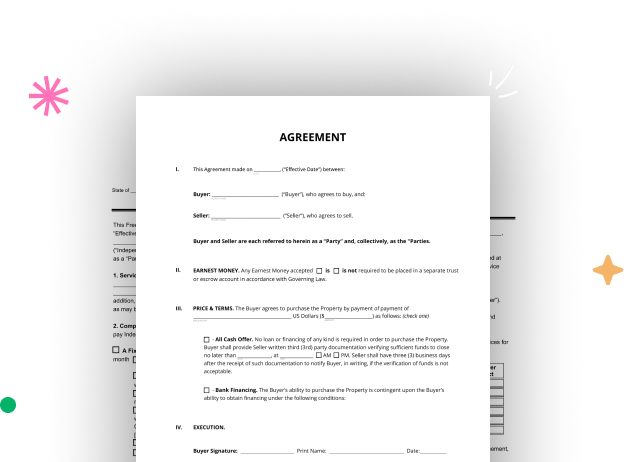
01. Start with a blank Production Request Legal Form
Open the blank document in the editor, set the document view, and add extra pages if applicable.
02. Add and configure fillable fields
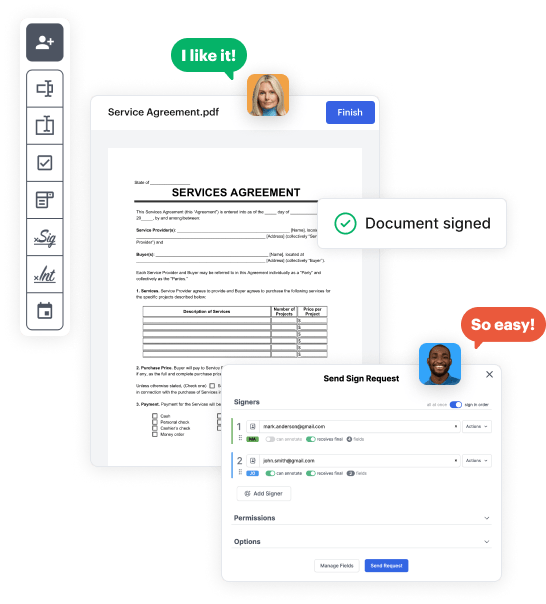
Use the top toolbar to insert fields like text and signature boxes, radio buttons, checkboxes, and more. Assign users to fields.
03. Distribute your form
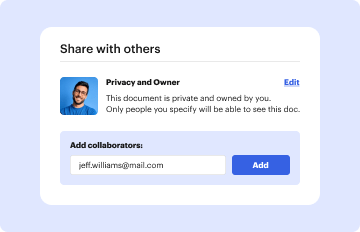
Share your Production Request Legal Form in seconds via email or a link. You can also download it, export it, or print it out.

A quick tutorial on how to build a polished Production Request Legal Form

Form edit decoration

Step 1: Log in to DocHub to begin creating your Production Request Legal Form.

First, sign in to your DocHub account. If you don't have one, you can simply register for free.

Step 2: Head to the dashboard.

Once you’re in, access your dashboard. This is your main hub for all document-centric tasks.

Step 3: Kick off new document creation.

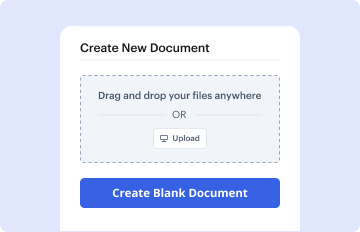
In your dashboard, hit New Document in the upper left corner. Opt for Create Blank Document to put together the Production Request Legal Form from the ground up.

Step 4: Insert form fillable areas.

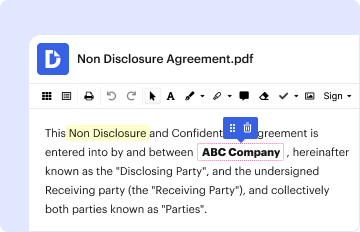
Place various elements like text boxes, photos, signature fields, and other fields to your form and assign these fields to certain users as needed.

Step 5: Configure your document.

Customize your document by adding directions or any other vital information leveraging the text feature.

Step 6: Go over and refine the content of the document.

Meticulously review your created Production Request Legal Form for any typos or necessary adjustments. Utilize DocHub's editing tools to perfect your document.

Step 7: Distribute or export the document.

After finalizing, save your file. You can select to keep it within DocHub, export it to various storage services, or send it via a link or email.


be ready to get more

Build your Production Request Legal Form in minutes

Start creating now

Got questions?

We have answers to the most popular questions from our customers. If you can't find an answer to your question, please contact us.
Contact us
Generally, a request for production of documents asks the responding party to make available the original documents, but the propounding (asking) party may request that photocopies be sent instead, if inspection of the original document is not necessary.
How to Request Production of Documents and Things Download the template for Request for Production. Fill out basic information at the top. Choose a location for the other side to bring the documents. Add your own definitions (if useful) Write your requests for production. Sign and date the document. Make copies.
Requests for production may be used to inspect and copy documents or tangible items held by another party. Although these requests are most commonly used to obtain copies of documents, they can also be used to test, measure, photograph, etc., any type of physical evidence in the other partys possession or control.
Requests for Production or Demands for Inspection require you to produce documents for copying or in some cases actual items for inspection. Responding to the request has 2 parts: State if you can comply with the request (all of it or some of it) or give the reason why you cant comply.
A request for production (RFP) is an eDiscovery process used to gain access to documents, electronic data, and physical items held by an opposing party in a legal matter. The aim is to gain insight into any relevant evidence that the opposing party holds.
be ready to get more

Build your Production Request Legal Form in minutes

Start creating now

Related Q&A to Production Request Legal Form

A request for production (RFP) is an eDiscovery process used to gain access to documents, electronic data, and physical items held by an opposing party in a legal matter.
See the sources listed at the end of this Guide for more information. In an unlimited civil case (cases for more than $25,000, or $35,000 if filed after Jan. 1, 2024), each party may make an unlimited number of requests for production.
If you falsely deny a document exists, you will not be allowed to introduce the document at trial. It is also possible that you might object to one or more of the requests. To raise an objection you would write Responding party objects on the grounds followed by the basis of your objection(s).

Additional resources on building your forms


