
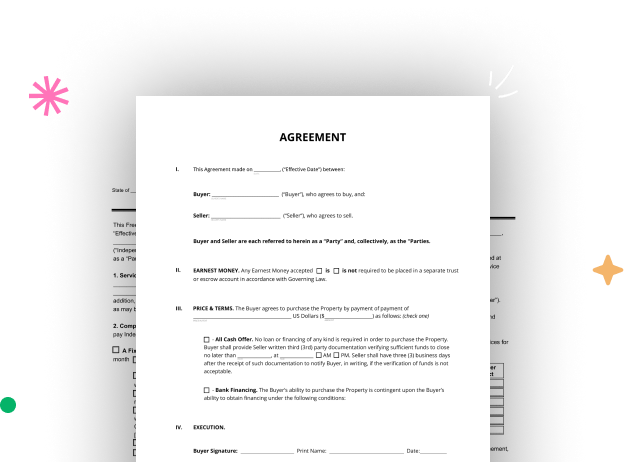
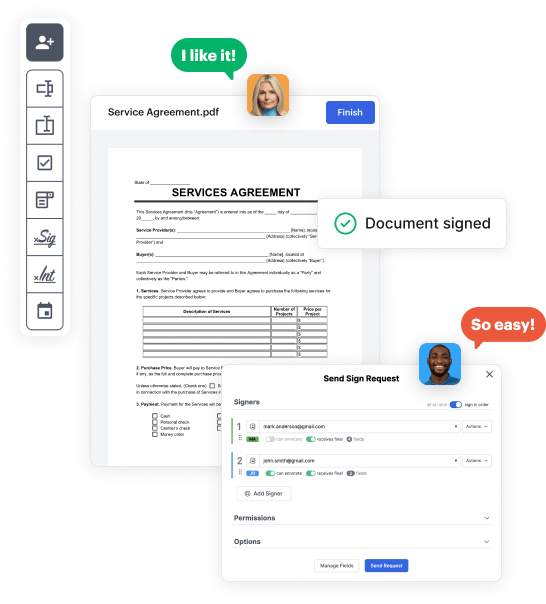
Create your Prenuptial Property Agreement Form from scratch

Start Building Now
Title decoration

Here's how it works

01. Start with a blank Prenuptial Property Agreement Form
Open the blank document in the editor, set the document view, and add extra pages if applicable.
02. Add and configure fillable fields
Use the top toolbar to insert fields like text and signature boxes, radio buttons, checkboxes, and more. Assign users to fields.
03. Distribute your form
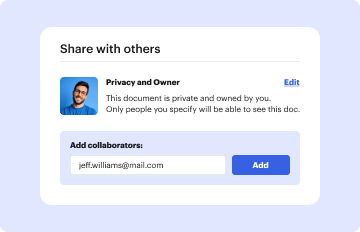
Share your Prenuptial Property Agreement Form in seconds via email or a link. You can also download it, export it, or print it out.

Build Prenuptial Property Agreement Form from the ground up with these step-by-step instructions

Form edit decoration

Step 1: Start off by launching DocHub.

Begin by creating a free DocHub account using any offered sign-up method. Just log in if you already have one.

Step 2: Register for a free 30-day trial.

Try out the whole collection of DocHub's pro tools by registering for a free 30-day trial of the Pro plan and proceed to build your Prenuptial Property Agreement Form.

Step 3: Add a new blank form.

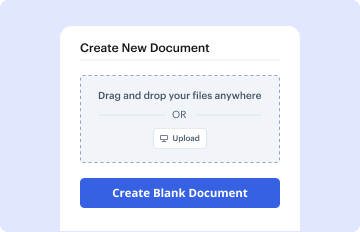
In your dashboard, hit the New Document button > scroll down and choose to Create Blank Document. You’ll be redirected to the editor.

Step 4: Organize the document’s layout.

Use the Page Controls icon marked by the arrow to switch between different page views and layouts for more convenience.

Step 5: Start inserting fields to design the dynamic Prenuptial Property Agreement Form.

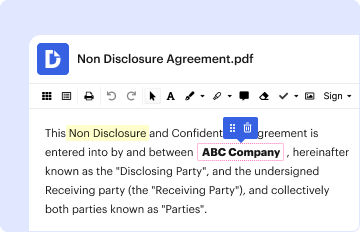
Navigate through the top toolbar to add document fields. Insert and arrange text boxes, the signature block (if applicable), insert images, etc.

Step 6: Prepare and customize the incorporated fields.

Arrange the fields you incorporated based on your desired layout. Modify the size, font, and alignment to make sure the form is easy to use and neat-looking.

Step 7: Finalize and share your template.

Save the completed copy in DocHub or in platforms like Google Drive or Dropbox, or design a new Prenuptial Property Agreement Form. Share your form via email or use a public link to engage with more people.


be ready to get more

Build your Prenuptial Property Agreement Form in minutes

Start creating now

Got questions?

We have answers to the most popular questions from our customers. If you can't find an answer to your question, please contact us.
Contact us
The cost of a prenup can vary docHubly, ranging from $1,000 to $10,000. Many factors influence the final price. There are also several cost-saving strategies you can implement that will protect your rights and assets during and after marriage without breaking the bank.
As long as you and your spouse agree, your prenuptial agreement can be changed. To create an amendment to a prenup, you can either add to the original contract or sign a separate contract that modifies the terms of the initial agreement.
ing to Californias Uniform Premarital Agreement Act (UPAA), you can create your own prenuptial agreement as long as its in writing and you follow all the rules of a valid prenup.
While it is possible to create your own prenuptial agreement in California, it is highly recommended that both parties seek independent legal counsel to ensure that their rights and interests are adequately protected.
7 Things to Include in Your Prenuptial Agreement Premarital Assets. Premarital Debts. Spousal Support and Waiving the Right to Alimony. Financial Responsibilities. Provisions for Children from Previous Relationships. Business Earnings. Retirement Accounts.
be ready to get more

Build your Prenuptial Property Agreement Form in minutes

Start creating now

Related Q&A to Prenuptial Property Agreement Form

If you want to know whether you and your partner need a prenuptial agreement in place, its a great idea to read through a California prenup template. This can help you understand the issues a typical prenuptial agreement addresses and how.
Requirements for a valid prenup In writing. The prenup must be in writing and not a verbal agreement. Both parties sign it. Both fiancs must sign the prenup. Notarization. Some states require this; some do not. Witnesses. Financial disclosure. Signed voluntarily. No unlawful terms. No unconscionable terms.

Additional resources on building your forms