
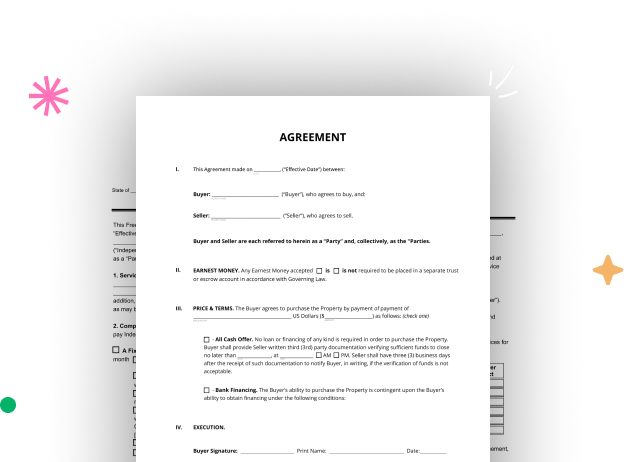
Create your Postmarital Legal Document from scratch

Start Building Now
Title decoration

Here's how it works

01. Start with a blank Postmarital Legal Document
Open the blank document in the editor, set the document view, and add extra pages if applicable.
02. Add and configure fillable fields
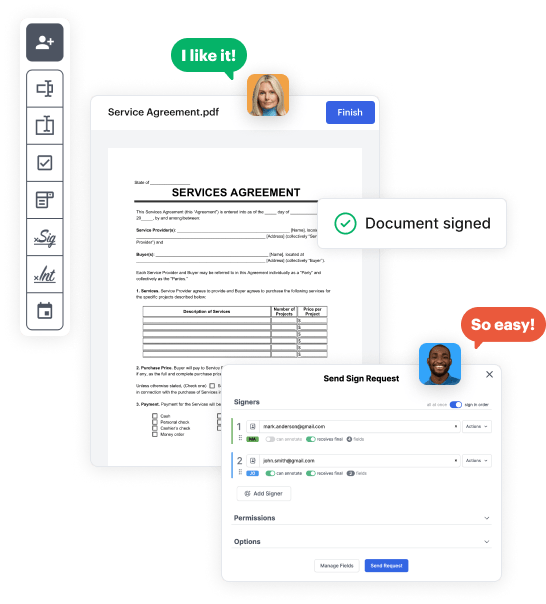
Use the top toolbar to insert fields like text and signature boxes, radio buttons, checkboxes, and more. Assign users to fields.
03. Distribute your form
Share your Postmarital Legal Document in seconds via email or a link. You can also download it, export it, or print it out.

Build Postmarital Legal Document from the ground up by following these step-by-step instructions

Form edit decoration

Step 1: Get started with DocHub.

Start by signing up for a free DocHub account using any available sign-up method. Simply log in if you already have one.

Step 2: Register for a free 30-day trial.

Try out the complete collection of DocHub's pro features by registering for a free 30-day trial of the Pro plan and proceed to craft your Postmarital Legal Document.

Step 3: Build a new empty form.

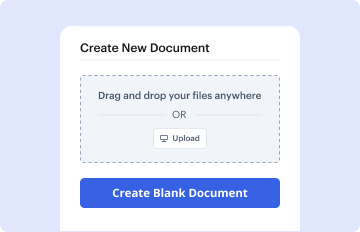
In your dashboard, choose the New Document button > scroll down and hit Create Blank Document. You will be redirected to the editor.

Step 4: Arrange the view of the document.

Use the Page Controls icon indicated by the arrow to switch between different page views and layouts for more flexibility.

Step 5: Begin by adding fields to design the dynamic Postmarital Legal Document.

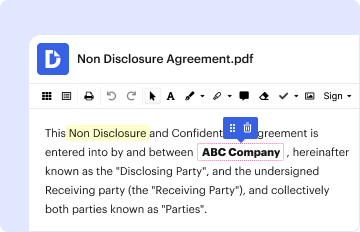
Use the top toolbar to add document fields. Insert and configure text boxes, the signature block (if applicable), add photos, and other elements.

Step 6: Prepare and customize the incorporated fields.

Arrange the fields you incorporated based on your chosen layout. Adjust each field's size, font, and alignment to ensure the form is straightforward and neat-looking.

Step 7: Finalize and share your document.

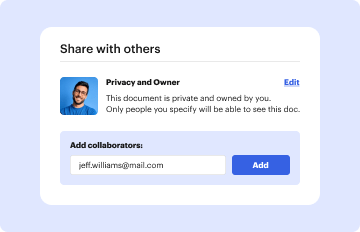
Save the finalized copy in DocHub or in platforms like Google Drive or Dropbox, or create a new Postmarital Legal Document. Share your form via email or get a public link to engage with more people.


be ready to get more

Build your Postmarital Legal Document in minutes

Start creating now

Got questions?

We have answers to the most popular questions from our customers. If you can't find an answer to your question, please contact us.
Contact us
The average cost (i.e., legal fees) for a California lawyer to draft a postnuptial agreement is $970 [1] on a flat fee basis. The average cost for a California lawyer to review a postnuptial agreement is $480 [2] on a flat fee basis.
Why You Need An Attorney To Create An Effective Postnup. Since the legal relationship between people changes once they are married, it is vital to have an experienced attorney draft any postnuptial agreement.
You and your spouse can create your own postnuptial agreement, but having it drafted by a legal professional, such as a divorce lawyer, can help ensure its compliant with state laws. In fact, some states require that each party has its own legal counsel, to make sure both spouses fully understand their rights.
Yes, you can. However, this doesnt mean you should, at least not without understanding the potential risks and complexities involved. Writing a postnuptial agreement isnt like writing a grocery list. Its a legal document with serious implications for your future.
How Much Does a Postnuptial Agreement Cost in California? The average cost (i.e., legal fees) for a California lawyer to draft a postnuptial agreement is $970 [1] on a flat fee basis. The average cost for a California lawyer to review a postnuptial agreement is $480 [2] on a flat fee basis.
be ready to get more

Build your Postmarital Legal Document in minutes

Start creating now

Related Q&A to Postmarital Legal Document

A postnuptial agreement is a great way of discussing what is important in the marriage and solidifying plans for the future, financial or otherwise. This may involve discussing retirement plans, setting aside money for a childs future education, or saving up to buy a house.
A postnuptial agreement is a legally binding document that sets out the division of financial assets and the rights of the parties in the event of a divorce. It defines how property should be classified and divided in the event of death or divorce.
However, if the agreement is fair in its terms, abides by local laws, and both spouses entered into it voluntarily, the court will usually uphold a postnuptial agreement.

Additional resources on building your forms


