
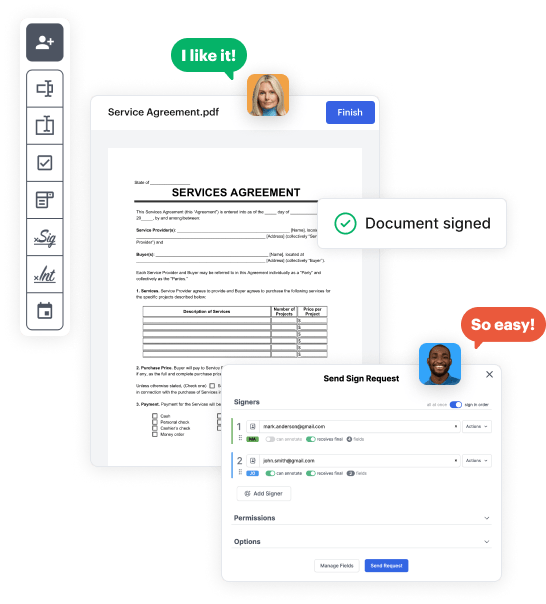
Create your Post-Divorce Estate Planning from scratch

Start Building Now
Title decoration

Here's how it works

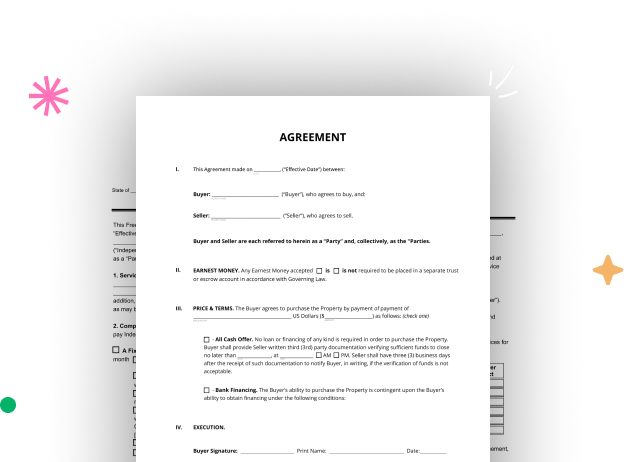
01. Start with a blank Post-Divorce Estate Planning
Open the blank document in the editor, set the document view, and add extra pages if applicable.
02. Add and configure fillable fields
Use the top toolbar to insert fields like text and signature boxes, radio buttons, checkboxes, and more. Assign users to fields.
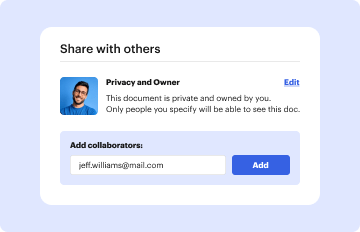
03. Distribute your form
Share your Post-Divorce Estate Planning in seconds via email or a link. You can also download it, export it, or print it out.

Craft Post-Divorce Estate Planning from scratch by following these comprehensive instructions

Form edit decoration

Step 1: Open DocHub and get going.

Start by signing up for a free DocHub account using any offered sign-up method. If you already have one, simply log in.

Step 2: Sign up for a free 30-day trial.

Try out the entire set of DocHub's advanced features by signing up for a free 30-day trial of the Pro plan and proceed to craft your Post-Divorce Estate Planning.

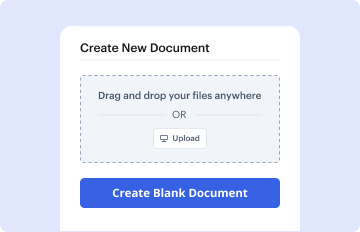
Step 3: Create a new empty form.

In your dashboard, choose the New Document button > scroll down and hit Create Blank Document. You will be redirected to the editor.

Step 4: Arrange the view of the document.

Utilize the Page Controls icon indicated by the arrow to switch between two page views and layouts for more flexibility.

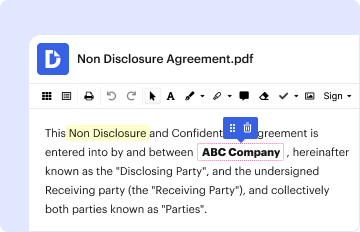
Step 5: Begin by adding fields to design the dynamic Post-Divorce Estate Planning.

Navigate through the top toolbar to place document fields. Add and arrange text boxes, the signature block (if applicable), insert images, etc.

Step 6: Prepare and customize the added fields.

Organize the fillable areas you added based on your desired layout. Adjust the size, font, and alignment to ensure the form is easy to use and neat-looking.

Step 7: Finalize and share your form.

Save the ready-to-go copy in DocHub or in platforms like Google Drive or Dropbox, or design a new Post-Divorce Estate Planning. Distribute your form via email or utilize a public link to reach more people.


be ready to get more

Build your Post-Divorce Estate Planning in minutes

Start creating now

Got questions?

We have answers to the most popular questions from our customers. If you can't find an answer to your question, please contact us.
Contact us
Protect and Maximize Your Estate for Your Heirs In conclusion, when creating your estate plan, its crucial to prioritize these three key objectives: naming a trusted individual to handle your affairs, ensuring your estate goes to who you want it to, and protecting and maximizing your estate for your heirs.
Get a head-start on planning and follow these 7 easy steps: Take Inventory of Your Estate. First, narrow down what belongs to you. Set a Will in Place. Form a Trust. Consider Your Healthcare Options. Opt for Life Insurance. Store All Important Documents in One Place. Hire an Attorney from Angermeier Rogers.
Key Takeaways Common estate planning documents are wills, trusts, powers of attorney, and living wills.
Here are the 5 basic components to a well-rounded estate plan: Will. Perhaps the most basic and often utilized component of an estate plan is a will. Trusts. Power of Attorney. Health Care Directive (Medical Directive) Beneficiary Designations.
Its a provision in the trust that grants a beneficiary the annual power to withdraw the greater of $5,000 or 5% of the trusts assets, while avoiding certain negative tax consequences (which are beyond the scope of this post) that might otherwise be applicable if the withdrawal right were exercised outside of those
be ready to get more

Build your Post-Divorce Estate Planning in minutes

Start creating now

Related Q&A to Post-Divorce Estate Planning

Divorce in California can automatically change your Estate Plan in several important ways. It legally (but not actually) removes your ex-spouse from receiving property, being named Executor of your Estate, or from being given Power of Attorney.
7 doable steps to help you create a will List all your assets. These might include: Decide who benefits from your estate when you die. Choose guardians for minor children. Name an executor for your will. Create your own will or work with a professional. Make your will official. Update your will as needed.
Estate Planning in Six Manageable Steps Who should make an estate plan? Start with an inventory of assets and liabilities. Create a comprehensive will. Make a medical plan. Provide specific instructions for personal property. Decide who will oversee your finances. Set up a plan for your digital estate.

Additional resources on building your forms


