
Create your Plumbing Package from scratch

Start Building Now
Title decoration

Here's how it works

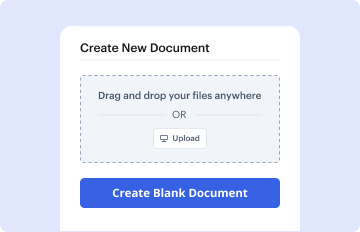
01. Start with a blank Plumbing Package
Open the blank document in the editor, set the document view, and add extra pages if applicable.
02. Add and configure fillable fields
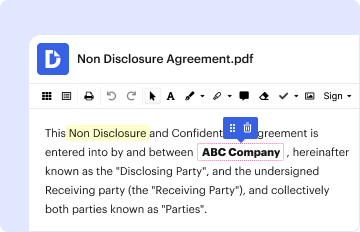
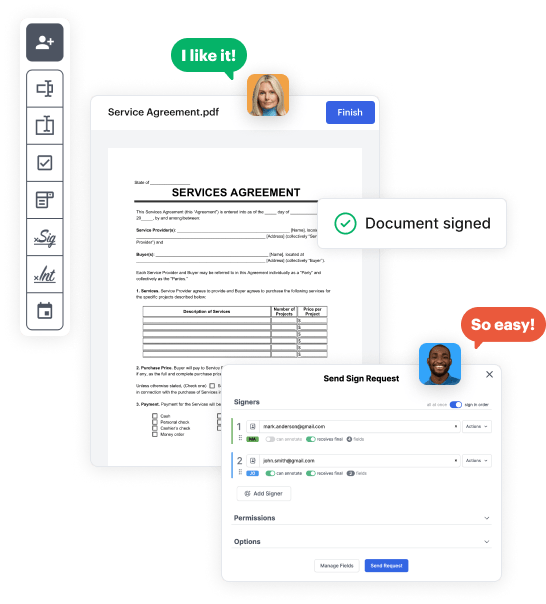
Use the top toolbar to insert fields like text and signature boxes, radio buttons, checkboxes, and more. Assign users to fields.
03. Distribute your form
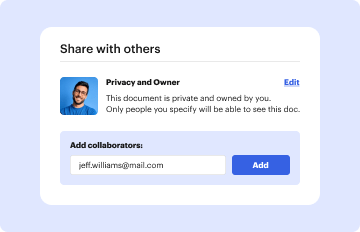
Share your Plumbing Package in seconds via email or a link. You can also download it, export it, or print it out.

Create Plumbing Package from scratch with these comprehensive guidelines

Form edit decoration

Step 1: Get started with DocHub.

Begin by registering a free DocHub account using any offered sign-up method. If you already have one, simply log in.

Step 2: Register for a free 30-day trial.

Try out the whole set of DocHub's advanced features by registering for a free 30-day trial of the Pro plan and proceed to craft your Plumbing Package.

Step 3: Build a new blank document.

In your dashboard, click the New Document button > scroll down and hit Create Blank Document. You will be taken to the editor.

Step 4: Organize the document’s view.

Utilize the Page Controls icon indicated by the arrow to switch between different page views and layouts for more flexibility.

Step 5: Start inserting fields to create the dynamic Plumbing Package.

Use the top toolbar to add document fields. Add and arrange text boxes, the signature block (if applicable), insert images, etc.

Step 6: Prepare and customize the added fields.

Arrange the fields you added per your desired layout. Adjust the size, font, and alignment to make sure the form is easy to use and polished.

Step 7: Finalize and share your template.

Save the completed copy in DocHub or in platforms like Google Drive or Dropbox, or design a new Plumbing Package. Share your form via email or use a public link to reach more people.


be ready to get more

Build your Plumbing Package in minutes

Start creating now

Got questions?

We have answers to the most popular questions from our customers. If you can't find an answer to your question, please contact us.
Contact us
Where to Find a Home Plumbing Diagram Ask the builder. If your home is relatively new and the contractor/builder that constructed it is still available, you may be able to get a copy of the rough-in plumbing diagram for the house. Check the county clerks office. Ask a plumber to make one.
To make a plumbing plan: Draw all fixtures to scale size and make sure they are not too close together. Mark the drain lines and vents for the fixtures, then add the supply lines. Indicate pipe sizes and the exact type of every fitting so the inspector can approve them.
Once the problem has been located, the plumber can use a sonar device or ground-penetrating radar to create a map of the plumbing pipes and water lines. As the sonar or radar equipment is rolled along the ground, it sends a signal into the earth to detect where the pipes are buried.
Plumbing prints are drawings (blueprints) that detail the design, construction, and instal- lation of a structures supply lines, waste lines, fixtures, and other plumbing-related compo- nents.
The blueprint for the home will show where each plumbing fixture should go, but its up to the plumber to connect the dots.
be ready to get more

Build your Plumbing Package in minutes

Start creating now

Related Q&A to Plumbing Package

Once you have created your floor plan, navigate to the Insert Tab and then select Load Family to load Revits built-in library panel and then select the plumbing families needed in your floor plan. When choosing your plumbing system, make sure the plumbing has its ins and outs for the pipe to connect.

Additional resources on building your forms


