
Create your Plumbing Legal Form from scratch

Start Building Now
Title decoration

Here's how it works

01. Start with a blank Plumbing Legal Form
Open the blank document in the editor, set the document view, and add extra pages if applicable.
02. Add and configure fillable fields
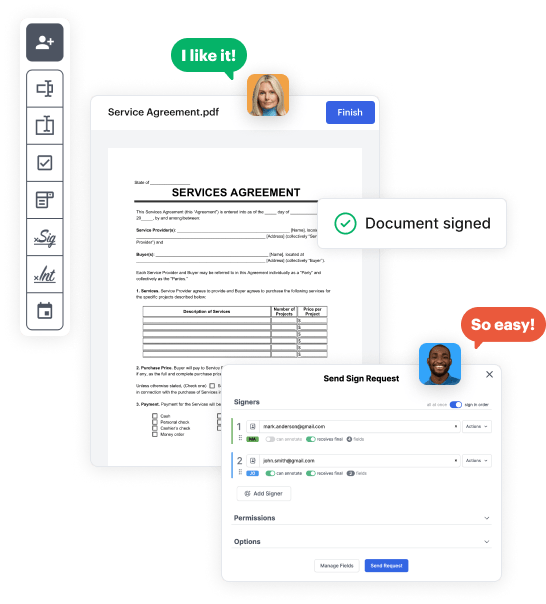
Use the top toolbar to insert fields like text and signature boxes, radio buttons, checkboxes, and more. Assign users to fields.
03. Distribute your form
Share your Plumbing Legal Form in seconds via email or a link. You can also download it, export it, or print it out.

Create Plumbing Legal Form from the ground up with these detailed instructions

Form edit decoration

Step 1: Open DocHub and get going.

Start by creating a free DocHub account using any offered sign-up method. If you already have one, simply log in.

Step 2: Sign up for a 30-day free trial.

Try out the complete collection of DocHub's advanced tools by signing up for a free 30-day trial of the Pro plan and proceed to craft your Plumbing Legal Form.

Step 3: Start with a new empty document.

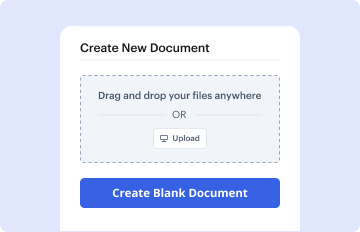
In your dashboard, choose the New Document button > scroll down and hit Create Blank Document. You will be taken to the editor.

Step 4: Organize the document’s layout.

Utilize the Page Controls icon indicated by the arrow to toggle between different page views and layouts for more convenience.

Step 5: Start adding fields to design the dynamic Plumbing Legal Form.

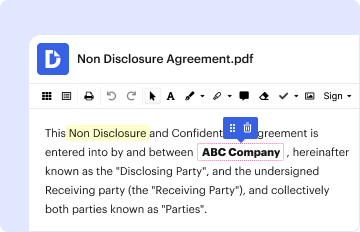
Use the top toolbar to place document fields. Add and arrange text boxes, the signature block (if applicable), insert images, etc.

Step 6: Prepare and customize the added fields.

Organize the fillable areas you added based on your desired layout. Personalize the size, font, and alignment to ensure the form is straightforward and polished.

Step 7: Finalize and share your template.

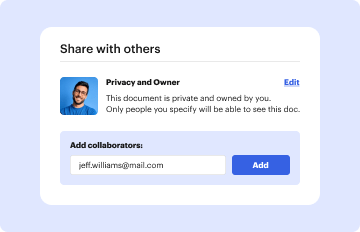
Save the ready-to-go copy in DocHub or in platforms like Google Drive or Dropbox, or create a new Plumbing Legal Form. Distribute your form via email or get a public link to reach more people.


be ready to get more

Build your Plumbing Legal Form in minutes

Start creating now

Got questions?

We have answers to the most popular questions from our customers. If you can't find an answer to your question, please contact us.
Contact us
To apply for the Master Plumber Examination you must submit a completed application with all supporting documentation and a $175 fee to the TSBPE. If you have been convicted of a felony, you must also submit a Supplemental Criminal History Information Form (SCHIF).
1301.051 of Texas Occupations Code it is not illegal for a homeowner to perform plumbing on their own home without a license. There are many instances in which a homeowner can safely undertake their own repairs. This is not to say that a homeowner doing their own plumbing repairs do not need a permit.
Be a Plumbers Apprentice or a licensed Tradesman Plumber-Limited in Texas or a licensed Journeyman Plumber or Master Plumber in another state. Have 8,000 hours of experience (4 years); and. Complete a 48-hour training course approved by the TSBPE or a training program approved by the USDLOA.
Plumbing and piping templates are essential tools used in plumbing design and engineering to create accurate and detailed drawings of plumbing systems.
How to Create a Plumbing Invoice Enter Your Plumbing Business Name and the Customer Name. Create a Unique Invoice Number. Determine Your Invoice Date and Payment Due Date. Calculate and Enter the Cost of Materials Used. Calculate and Enter the Cost of Your Plumbing Services. Note Any Discounts Provided to the Customer.
be ready to get more

Build your Plumbing Legal Form in minutes

Start creating now

Related Q&A to Plumbing Legal Form

This includes minor repairs, replacements, and installations that do not require alterations to plumbing systems or structures. Additionally, non-licensed individuals can perform plumbing work under the direct supervision of a licensed plumber. However, this does not apply to apprentices or tradesman-limited licenses.
Important Details to Include in Your Plumbing Projects Contract Contact information for both parties and location of the project. A detailed description of the plumbing services to be performed. Clear payment terms. Responsibility for permits and insurance. Modification or changes. Default and remedies.

Additional resources on building your forms


