
Create your Plumbing Document from scratch

Start Building Now
Title decoration

Here's how it works

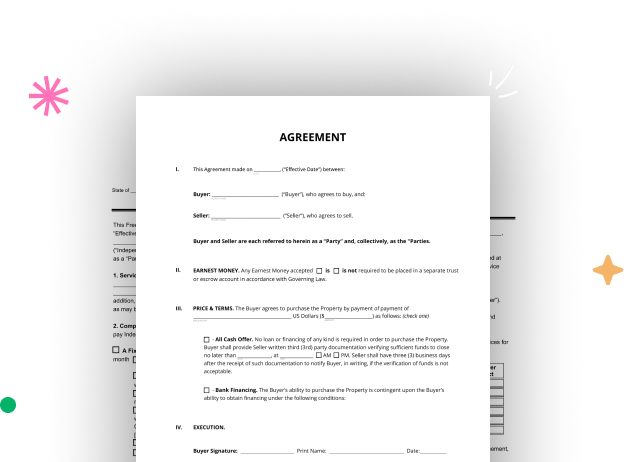
01. Start with a blank Plumbing Document
Open the blank document in the editor, set the document view, and add extra pages if applicable.
02. Add and configure fillable fields
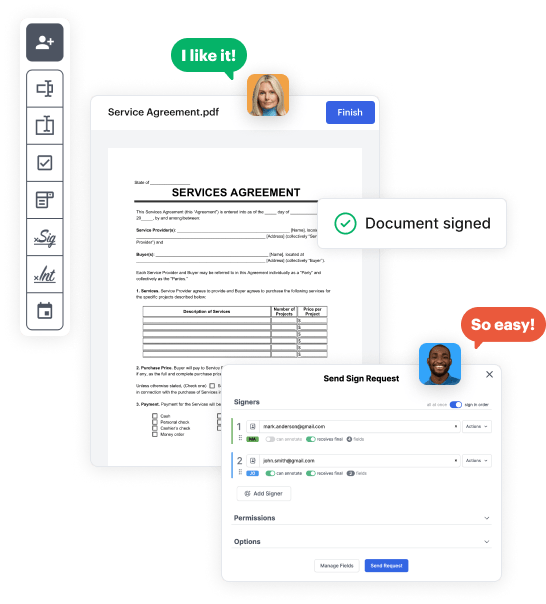
Use the top toolbar to insert fields like text and signature boxes, radio buttons, checkboxes, and more. Assign users to fields.
03. Distribute your form
Share your Plumbing Document in seconds via email or a link. You can also download it, export it, or print it out.

Craft Plumbing Document from scratch with these comprehensive instructions

Form edit decoration

Step 1: Start off by launching DocHub.

Begin by setting up a free DocHub account using any offered sign-up method. Just log in if you already have one.

Step 2: Register for a 30-day free trial.

Try out the complete collection of DocHub's advanced features by signing up for a free 30-day trial of the Pro plan and proceed to build your Plumbing Document.

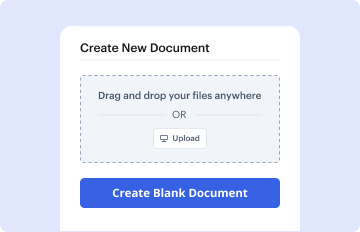
Step 3: Create a new empty document.

In your dashboard, hit the New Document button > scroll down and choose to Create Blank Document. You will be taken to the editor.

Step 4: Organize the document’s view.

Utilize the Page Controls icon marked by the arrow to toggle between two page views and layouts for more flexibility.

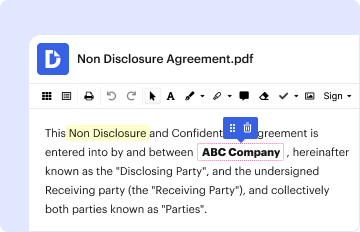
Step 5: Start inserting fields to create the dynamic Plumbing Document.

Use the top toolbar to add document fields. Add and arrange text boxes, the signature block (if applicable), add photos, and other elements.

Step 6: Prepare and configure the added fields.

Arrange the fillable areas you added based on your desired layout. Adjust the size, font, and alignment to ensure the form is user-friendly and professional.

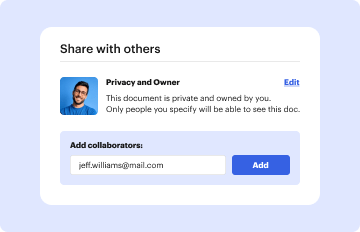
Step 7: Finalize and share your form.

Save the completed copy in DocHub or in platforms like Google Drive or Dropbox, or create a new Plumbing Document. Send out your form via email or utilize a public link to engage with more people.


be ready to get more

Build your Plumbing Document in minutes

Start creating now

Got questions?

We have answers to the most popular questions from our customers. If you can't find an answer to your question, please contact us.
Contact us
Sections in this Tutorial: Designing Schematic of the Water Supply System. Specifying the Design Properties of the Fixtures. Adding Fittings to Fixture Supply Pipes. Diameters and Equivalent Lengths of fittings tables. Creating a Water Supply System in your Project. Adding Nodes. Adding Pipes. Results of the Design.
To make a plumbing plan: Draw all fixtures to scale size and make sure they are not too close together. Mark the drain lines and vents for the fixtures, then add the supply lines. Indicate pipe sizes and the exact type of every fitting so the inspector can approve them.
Where to Find a Home Plumbing Diagram Ask the builder. If your home is relatively new and the contractor/builder that constructed it is still available, you may be able to get a copy of the rough-in plumbing diagram for the house. Check the county clerks office. Ask a plumber to make one.
If you dont have the blueprints readily available, docHub out to your local building department or the contractor who constructed your home. They might have copies of the blueprints that you can obtain.
To create an effective plumbing plan for your project, assess the building layout, identify water supply and drainage needs, and comply with local building codes. Collaborate with architects and builders to integrate plumbing seamlessly. Plan fixture placement, pipe routing, and access points.
be ready to get more

Build your Plumbing Document in minutes

Start creating now

Related Q&A to Plumbing Document

Plumbing plans in blueprints for houses are usually drawn up by a separate contractor, often a plumber.
How to Draw a Plumbing Plan in General: Create the bathroom layout; Add Fixtures; Indicate the pipe sizes and the exact type of every fitting; Use multiple color codes; Created the basic symbols from your personal understanding, add notes at the bottom; Share the plumbing plan diagram with some experts.
Once the problem has been located, the plumber can use a sonar device or ground-penetrating radar to create a map of the plumbing pipes and water lines. As the sonar or radar equipment is rolled along the ground, it sends a signal into the earth to detect where the pipes are buried.

Additional resources on building your forms


