
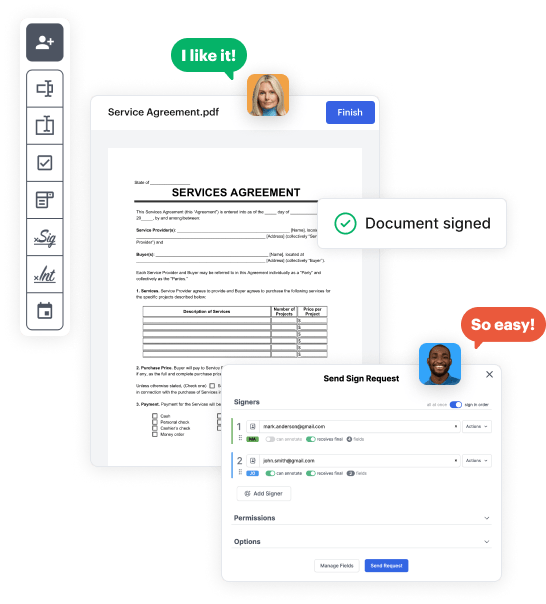
Create your Plaintiff Motion Form from scratch

Start Building Now
Title decoration

Here's how it works

01. Start with a blank Plaintiff Motion Form
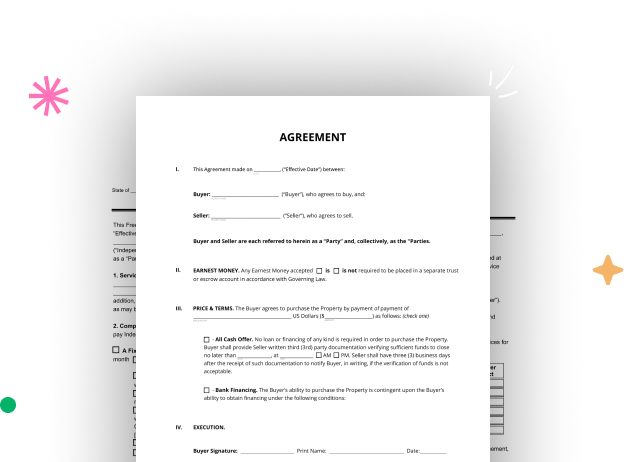
Open the blank document in the editor, set the document view, and add extra pages if applicable.
02. Add and configure fillable fields
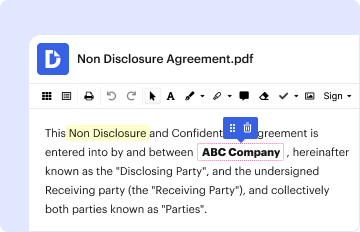
Use the top toolbar to insert fields like text and signature boxes, radio buttons, checkboxes, and more. Assign users to fields.
03. Distribute your form
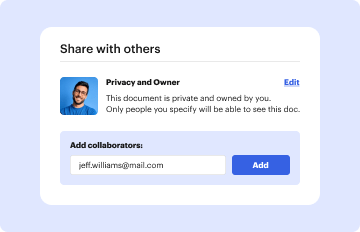
Share your Plaintiff Motion Form in seconds via email or a link. You can also download it, export it, or print it out.

A simple guide on how to create a professional-looking Plaintiff Motion Form

Form edit decoration

Step 1: Sign in to DocHub to begin creating your Plaintiff Motion Form.

First, sign in to your DocHub account. If you don't have one, you can easily register for free.

Step 2: Navigate to the dashboard.

Once logged in, access your dashboard. This is your central hub for all document-centric operations.

Step 3: Initiate new document creation.

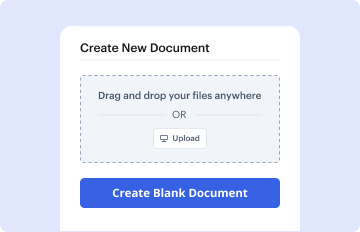
In your dashboard, hit New Document in the upper left corner. Pick Create Blank Document to craft the Plaintiff Motion Form from the ground up.

Step 4: Add form fillable areas.

Add different fields like text boxes, images, signature fields, and other fields to your form and assign these fields to particular individuals as necessary.

Step 5: Personalize your document.

Personalize your template by adding instructions or any other vital tips using the text feature.

Step 6: Review and adjust the form.

Meticulously go over your created Plaintiff Motion Form for any errors or required adjustments. Make use of DocHub's editing tools to fine-tune your document.

Step 7: Distribute or export the document.

After completing, save your work. You may choose to retain it within DocHub, export it to various storage options, or forward it via a link or email.


be ready to get more

Build your Plaintiff Motion Form in minutes

Start creating now

Got questions?

We have answers to the most popular questions from our customers. If you can't find an answer to your question, please contact us.
Contact us
Write your legal argument by stating the rule and explaining how your facts apply to it. Then, add your signature, a Certificate of Service, and a Notice of Hearing. File your motion with the clerk of court overseeing your case. Then, give copies to each defendant.
Overview You write your motion. You file your motion with the court clerk. The court clerk inserts the date and time your motion will be heard by the judge. You serve (mail) your motion to the other side. The other side files a written opposition to your motion with the court.
The motion must include a separate Notice of Motion which includes a brief summary of the nature of the motion, the deadline for filing a response, and if there is a hearing, the date, time, and location of the hearing.
To introduce a motion, say I move that followed by a statement of the proposal. The motion is not discussed until it has been seconded by someone and stated in full by the chair.
Form 9 - Letter to Clerk of Lower Court Filing Notice of Appeal, S.C.
be ready to get more

Build your Plaintiff Motion Form in minutes

Start creating now

Related Q&A to Plaintiff Motion Form

The response may agree with or oppose the action requested. If the response opposes the action requested, it must contain the reasons for opposing the motion and must include supporting evidence. The Court will enter an order in which the judge either grants or denies the motion.
General format - each motion generally consists of a case caption, a title that briefly identifies the relief sought, a series of numbered paragraphs that explains -- in a logical way -- why you are entitled to that relief, a prayer for relief, a signature block, a certification that a copy of the motion was sent to
BY INDIVIDUAL FORM A motion is a formal request to a judge to make a ruling or take some other action during a lawsuit. A motion does not start a lawsuit, but rather brings a limited, contested issue in a case before the court for a decision.

Additional resources on building your forms


