
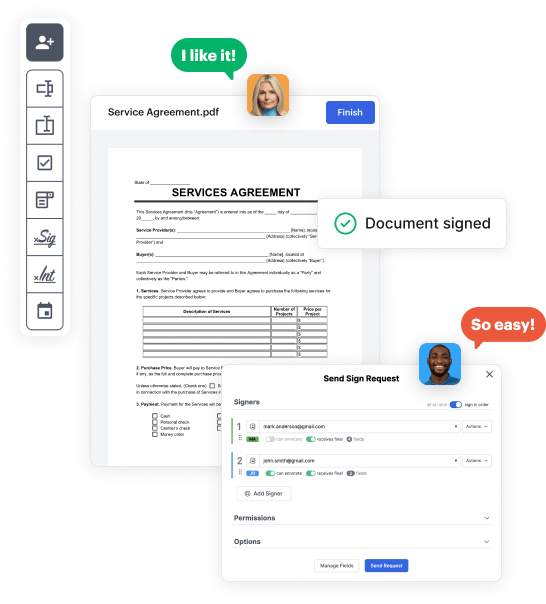
Create your Personal Estate Planning Document from scratch

Start Building Now
Title decoration

Here's how it works

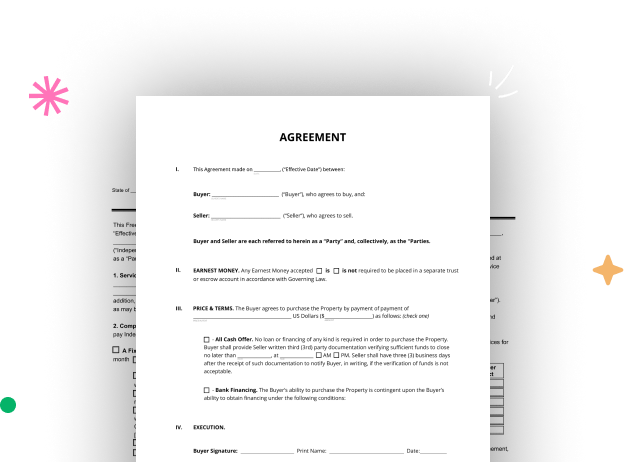
01. Start with a blank Personal Estate Planning Document
Open the blank document in the editor, set the document view, and add extra pages if applicable.
02. Add and configure fillable fields
Use the top toolbar to insert fields like text and signature boxes, radio buttons, checkboxes, and more. Assign users to fields.
03. Distribute your form
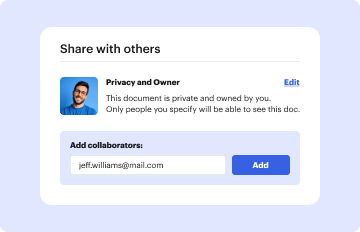
Share your Personal Estate Planning Document in seconds via email or a link. You can also download it, export it, or print it out.

Design your Personal Estate Planning Document in a matter of minutes

Form edit decoration

Step 1: Access DocHub to build your Personal Estate Planning Document.

Start by accessing your DocHub account. Try out the advanced DocHub functionality free for 30 days.

Step 2: Navigate to the dashboard.

Once logged in, go to the DocHub dashboard. This is where you'll create your forms and manage your document workflow.

Step 3: Design the Personal Estate Planning Document.

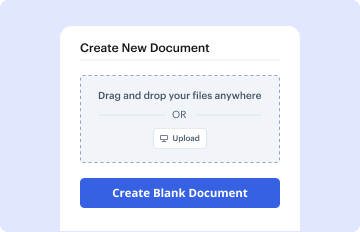
Click on New Document and choose Create Blank Document to be redirected to the form builder.

Step 4: Set up the form layout.

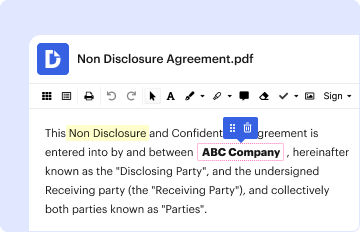
Use the DocHub tools to insert and configure form fields like text areas, signature boxes, images, and others to your document.

Step 5: Add text and titles.

Include needed text, such as questions or instructions, using the text tool to guide the users in your form.

Step 6: Configure field properties.

Adjust the properties of each field, such as making them required or formatting them according to the data you plan to collect. Assign recipients if applicable.

Step 7: Review and save.

After you’ve managed to design the Personal Estate Planning Document, make a final review of your document. Then, save the form within DocHub, send it to your preferred location, or share it via a link or email.


be ready to get more

Build your Personal Estate Planning Document in minutes

Start creating now

Got questions?

We have answers to the most popular questions from our customers. If you can't find an answer to your question, please contact us.
Contact us
Key Takeaways Common estate planning documents are wills, trusts, powers of attorney, and living wills.
A will or trust should be one of the main components of every estate plan, even if you dont have substantial assets. Wills ensure property is distributed ing to an individuals wishes (if drafted ing to state laws). Some trusts help limit estate taxes or legal challenges.
Estate planning covers the transfer of property at death as well as a variety of other personal matters and may or may not involve tax planning. The core document most often associated with this process is your will.
Factors to Consider When Creating an Estate Plan Understanding Your Beneficiaries Needs. Evaluating Your Financial Situation. Understanding the Impact of Taxes on Your Estate. Probate and its Role in Estate Planning. Joint Ownership as an Estate Planning Tool. Federal Estate and Gift Taxes. State Inheritance Taxes.
These documents include a financial power of attorney, an advance care directive, and a living trust or a last will.
be ready to get more

Build your Personal Estate Planning Document in minutes

Start creating now

Related Q&A to Personal Estate Planning Document

To organize your own records, you can use an ion file or binder and divide the documents into different categories, such as estate planning, life insurance policies, property titles and investment statements.
Get a head-start on planning and follow these 7 easy steps: Take Inventory of Your Estate. First, narrow down what belongs to you. Set a Will in Place. Form a Trust. Consider Your Healthcare Options. Opt for Life Insurance. Store All Important Documents in One Place. Hire an Attorney from Angermeier Rogers.
Key Takeaways Common estate planning documents are wills, trusts, powers of attorney, and living wills. Everyone can benefit from having a will, no matter how small their estate or simple their wishes.

Additional resources on building your forms