

Create your Pennsylvania Court Form from scratch

Start Building Now
Title decoration

Here's how it works

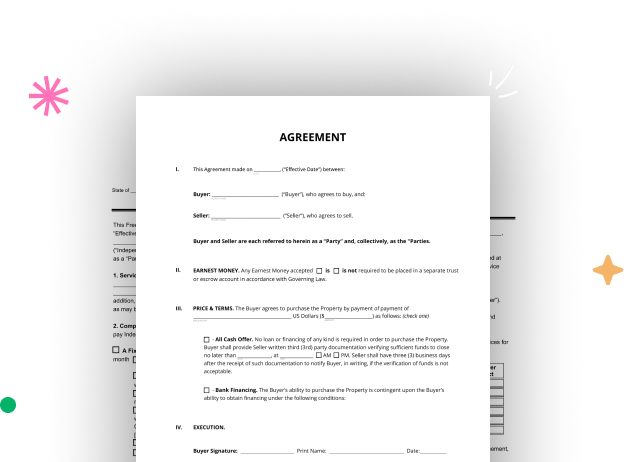
01. Start with a blank Pennsylvania Court Form
Open the blank document in the editor, set the document view, and add extra pages if applicable.
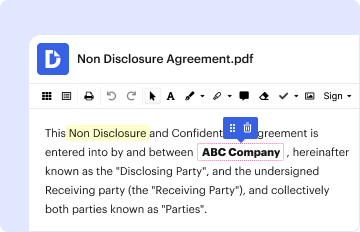
02. Add and configure fillable fields
Use the top toolbar to insert fields like text and signature boxes, radio buttons, checkboxes, and more. Assign users to fields.
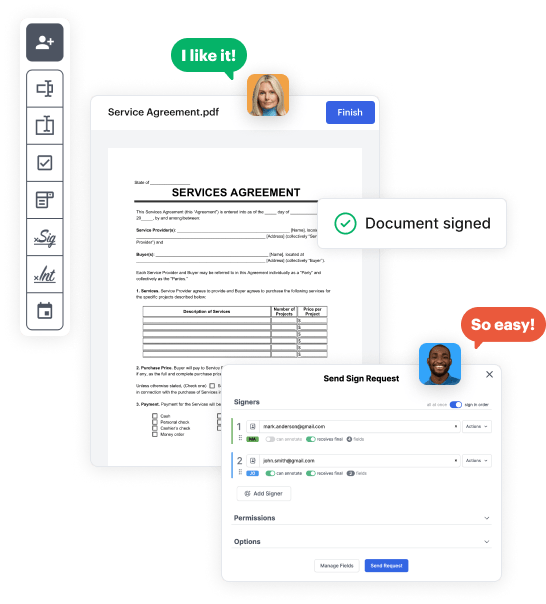
03. Distribute your form
Share your Pennsylvania Court Form in seconds via email or a link. You can also download it, export it, or print it out.

Build Pennsylvania Court Form from scratch with these detailed guidelines

Form edit decoration

Step 1: Open DocHub and get going.

Begin by setting up a free DocHub account using any offered sign-up method. Just log in if you already have one.

Step 2: Register for a free 30-day trial.

Try out the whole set of DocHub's advanced tools by signing up for a free 30-day trial of the Pro plan and proceed to craft your Pennsylvania Court Form.

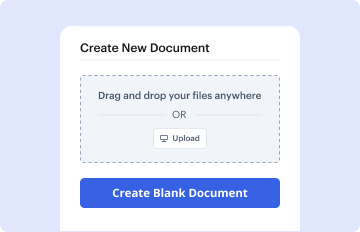
Step 3: Build a new blank doc.

In your dashboard, choose the New Document button > scroll down and hit Create Blank Document. You will be taken to the editor.

Step 4: Organize the document’s layout.

Use the Page Controls icon indicated by the arrow to toggle between different page views and layouts for more flexibility.

Step 5: Start inserting fields to design the dynamic Pennsylvania Court Form.

Use the top toolbar to add document fields. Add and arrange text boxes, the signature block (if applicable), insert images, etc.

Step 6: Prepare and customize the added fields.

Configure the fillable areas you added per your chosen layout. Adjust the size, font, and alignment to ensure the form is user-friendly and neat-looking.

Step 7: Finalize and share your document.

Save the finalized copy in DocHub or in platforms like Google Drive or Dropbox, or create a new Pennsylvania Court Form. Share your form via email or get a public link to engage with more people.


be ready to get more

Build your Pennsylvania Court Form in minutes

Start creating now

Got questions?

We have answers to the most popular questions from our customers. If you can't find an answer to your question, please contact us.
Contact us
Small Claims Court Actions An MDJ can hear and dispose of claims that seek money in amounts less than $12,000.00. You can appear in Small Claims Court without an attorney, as many parties often do.
How Does Pennsylvania Small Claims Court Work? A small claims case starts by filing a claim with the Pennsylvania Magisterial District Court. Youll serve a copy of the claim and court date on the defendant, the person or company youre suing. At the trial, youll present evidence supporting your case.
Complete the Civil complaint form fully and neatly. Be sure to provide enough information so the person you are suing knows why he or she is being sued. Once the complaint is completed, you must file it at the correct Magisterial District Court office. Be prepared to pay the filing fees.
Civil Statutes of Limitation Similar to other states statute of limitations laws, Pennsylvania imposes a two-year limit on personal injury, trespass, and fraud claims. Generally, the clock will start ticking on the date of the incident or discovery of the wrong.
Self-represented litigants are held to the same standards as attorneys admitted to the bar of the Commonwealth of Pennsylvania. Representing yourself does not exempt you from understanding and following statewide and local Rules of Court.
be ready to get more

Build your Pennsylvania Court Form in minutes

Start creating now

Related Q&A to Pennsylvania Court Form

Civil Complaint (Includes One Certified Mail Service)$156.00 Counterclaim / Crossclaim $50.00 Third Party Complaint $50.00 Amended Complaint $70.00 Jury Demand (Payable 10 Days Prior to Jury Trial) $350.0034 more rows
You may file a suit with a district justice if you have a complaint against a person or business and wish to recover an amount of money totaling $12,000 or less. This is called a civil lawsuit. The $12,000 limit does not in-clude the court costs involved in the suit, or any interest that may be due on your claim.

Additional resources on building your forms


