Create your Parenting Plan Form from scratch

Start Building Now
Title decoration

Here's how it works

01. Start with a blank Parenting Plan Form
Open the blank document in the editor, set the document view, and add extra pages if applicable.
02. Add and configure fillable fields
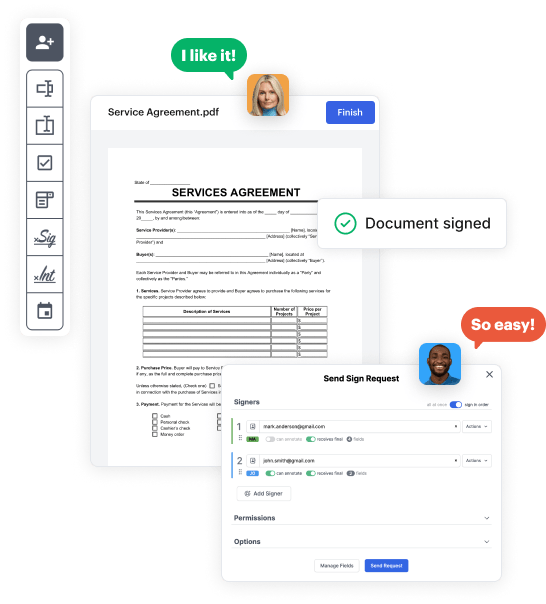
Use the top toolbar to insert fields like text and signature boxes, radio buttons, checkboxes, and more. Assign users to fields.
03. Distribute your form
Share your Parenting Plan Form in seconds via email or a link. You can also download it, export it, or print it out.

A detailed walkthrough of how to design your Parenting Plan Form online
Form edit decoration

Step 1: Start with DocHub's free trial.

Navigate to the DocHub website and sign up for the free trial. This gives you access to every feature you’ll need to create your Parenting Plan Form without any upfront cost.

Step 2: Navigate to your dashboard.

Log in to your DocHub account and navigate to the dashboard.

Step 3: Craft a new document.

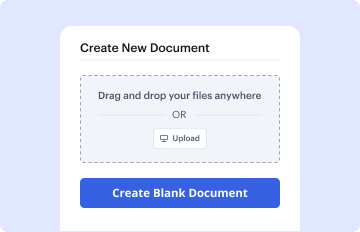
Hit New Document in your dashboard, and choose Create Blank Document to craft your Parenting Plan Form from the ground up.

Step 4: Use editing tools.

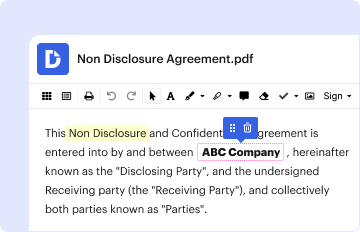
Add different elements such as text boxes, radio buttons, icons, signatures, etc. Organize these fields to match the layout of your form and designate them to recipients if needed.

Step 5: Modify the form layout.

Rearrange your form in seconds by adding, moving, deleting, or merging pages with just a few clicks.

Step 6: Craft the Parenting Plan Form template.

Convert your freshly crafted form into a template if you need to send many copies of the same document repeatedly.

Step 7: Save, export, or distribute the form.

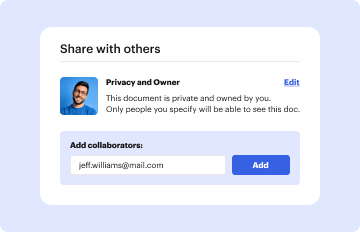
Send the form via email, distribute a public link, or even post it online if you aim to collect responses from a broader audience.

be ready to get more

Build your Parenting Plan Form in minutes

Start creating now

Got questions?

We have answers to the most popular questions from our customers. If you can't find an answer to your question, please contact us.
Contact us
How to Create a Parenting Plan: A Step-by-Step Guide Hire an Attorney and Determine If You Need Additional Help. Consider Your Childs Best Interests. Decide How Legal Custody Will Be Shared. Outline a Parenting Schedule for Routine Visits. Determine How Holidays and Special Occasions Will Be Shared. Create a Vacation Policy.
For example, a good enough parent realises they need to respond quickly to their babys hunger cry. Whereas a teenager is learning to navigate life. A good enough parent will at times have to allow their child to face consequences of their choices. At the same time, dont try to stop emotions.
Forms needed to respond to a Petition for Custody and Support of Minor Children Form NameForm Number Declaration Under Uniform Child Custody Jurisdiction and Enforcement Act (UCCJEA) Form FL-105/GC-120 Child Custody and Visitation (Parenting Time) Application Attachment Form FL-311 Proof of Personal Service FL-3302 more rows
Factors such as geographical distance or work commitments can make a 70/30 schedule more practical for some families than a 50/50 or 60/40 schedule. A 70/30 schedule often involves a 5-2 split, where one parent has the child during the school week, and the other has weekends.
To begin the process of changing your custody order, you will need to fill out the forms for a Petition for Modification of an Order of Custody/Visitation. You can get the forms in the courthouse or you can file a custody or visitation modification petition online through the NY Courts website.
be ready to get more

Build your Parenting Plan Form in minutes

Start creating now

Related Q&A to Parenting Plan Form

Alternating weekends with an evening visit The children live with one parent during the week and alternating weekends. The other parent has the children on the other weekends and for one evening visit during the week. Parents can have the visit on any evening, and may also add visits throughout the week.
Parenting skills examples include offering unconditional love, validation, praise, clear boundaries, communication, modeling healthy relationship skills, being responsive and attuned to your childs needs, letting your child have independence and autonomy, and allowing consequences for your childs actions.
Why Is Joint Custody the Most Common Child Custody Arrangement? Joint custody arrangements have become more common over the years. For many families, joint custody is the best possible situation after a divorce because both parents spend meaningful time with their children and remain involved in their lives.

Additional resources on building your forms