
Create your Oregon Estate Planning from scratch

Start Building Now
Title decoration

Here's how it works

01. Start with a blank Oregon Estate Planning
Open the blank document in the editor, set the document view, and add extra pages if applicable.
02. Add and configure fillable fields
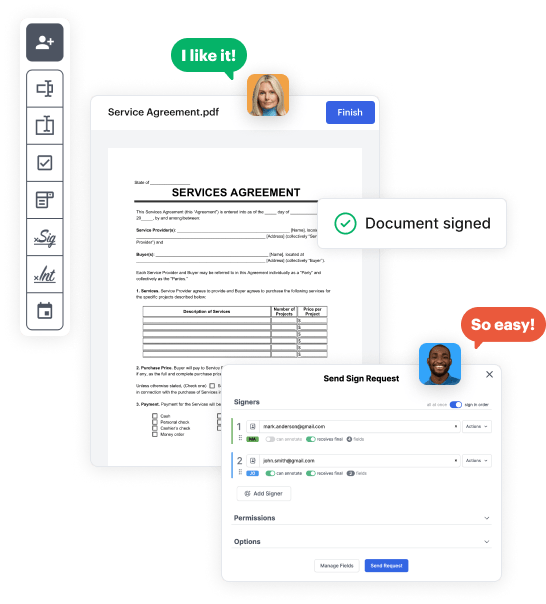
Use the top toolbar to insert fields like text and signature boxes, radio buttons, checkboxes, and more. Assign users to fields.
03. Distribute your form
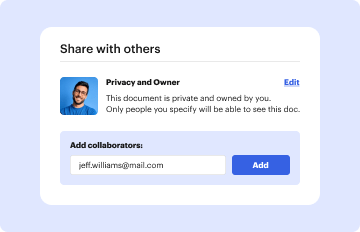
Share your Oregon Estate Planning in seconds via email or a link. You can also download it, export it, or print it out.

Build Oregon Estate Planning from scratch with these comprehensive instructions

Form edit decoration

Step 1: Open DocHub and get going.

Begin by creating a free DocHub account using any offered sign-up method. Just log in if you already have one.

Step 2: Sign up for a free 30-day trial.

Try out the entire set of DocHub's advanced features by registering for a free 30-day trial of the Pro plan and proceed to craft your Oregon Estate Planning.

Step 3: Build a new empty doc.

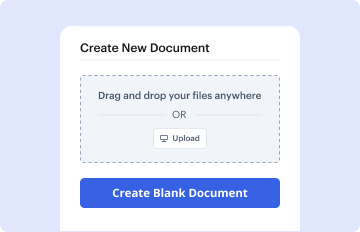
In your dashboard, select the New Document button > scroll down and choose to Create Blank Document. You’ll be taken to the editor.

Step 4: Organize the document’s view.

Use the Page Controls icon indicated by the arrow to toggle between different page views and layouts for more flexibility.

Step 5: Begin by adding fields to create the dynamic Oregon Estate Planning.

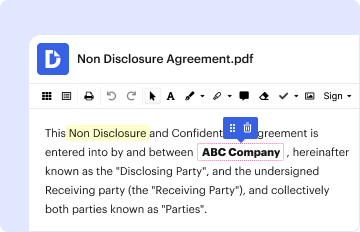
Use the top toolbar to add document fields. Insert and configure text boxes, the signature block (if applicable), add photos, and other elements.

Step 6: Prepare and configure the incorporated fields.

Configure the fields you incorporated based on your chosen layout. Personalize the size, font, and alignment to ensure the form is user-friendly and professional.

Step 7: Finalize and share your form.

Save the finalized copy in DocHub or in platforms like Google Drive or Dropbox, or craft a new Oregon Estate Planning. Send out your form via email or use a public link to engage with more people.


be ready to get more

Build your Oregon Estate Planning in minutes

Start creating now

Got questions?

We have answers to the most popular questions from our customers. If you can't find an answer to your question, please contact us.
Contact us
No, in Oregon, you do not need to docHub your will to make it legal. However, Oregon allows you to make your will self-proving and youll need to go to a notary if you want to do that. A self-proving will speeds up probate because the court can accept the will without contacting the witnesses who signed it.
Handwritten wills, also referred to as holographic wills, are still fairly common. In California, this type of will is valid, whether witnessed or not, provided the signature and the main components are in the handwriting of the person who created it, also known as the testator.
Wills that are handwritten and not witnessed are not recognized as valid in Oregon. A handwritten will that is witnessed by two individuals will be considered valid. I have written more about about the basics of estate planning in the following articles: Basics of an Oregon Estate Plan (Part 1)
Handwritten Will: A handwritten will, called a holographic will, is a will that is in the testators handwriting and signed by the testator without witnesses. Oregon does not recognize this type of will.
In Oregon, you must be at least 18 years old and of sound mind to make a will. If you are married or emancipated, you can make a will before you turn 18. Your will must be in writing and must be signed by you and two witnesses.
be ready to get more

Build your Oregon Estate Planning in minutes

Start creating now

Related Q&A to Oregon Estate Planning

Key Takeaways Common estate planning documents are wills, trusts, powers of attorney, and living wills.
Satisfying the following legal requirements constitutes a valid Will in Oregon: The Will must be in writing (handwritten or typed) The Testator (the person writing the Will) must be at least 18 years old and be of sound mind. The Testator must sign the Will in front of two witnesses.
Get a head-start on planning and follow these 7 easy steps: Take Inventory of Your Estate. First, narrow down what belongs to you. Set a Will in Place. Form a Trust. Consider Your Healthcare Options. Opt for Life Insurance. Store All Important Documents in One Place. Hire an Attorney from Angermeier Rogers.

Additional resources on building your forms


