
Create your Ohio Residential Lease from scratch

Start Building Now
Title decoration

Here's how it works

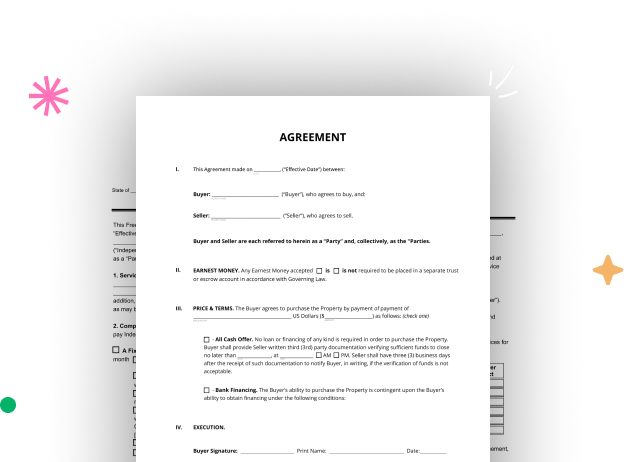
01. Start with a blank Ohio Residential Lease
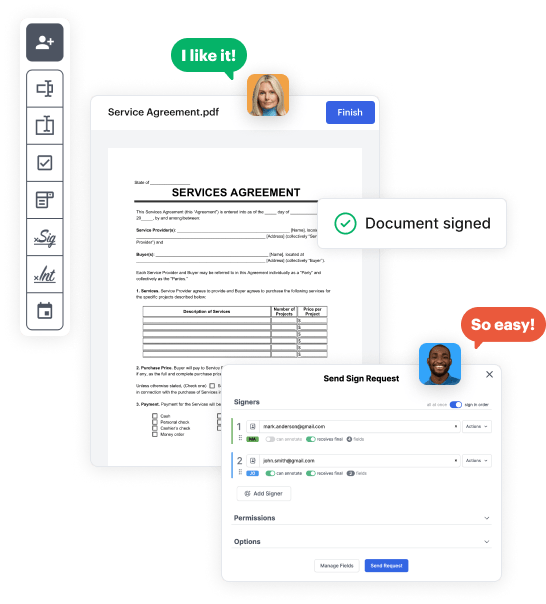
Open the blank document in the editor, set the document view, and add extra pages if applicable.
02. Add and configure fillable fields
Use the top toolbar to insert fields like text and signature boxes, radio buttons, checkboxes, and more. Assign users to fields.
03. Distribute your form
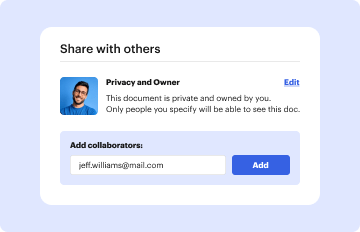
Share your Ohio Residential Lease in seconds via email or a link. You can also download it, export it, or print it out.

Design your Ohio Residential Lease in a matter of minutes

Form edit decoration

Step 1: Access DocHub to set up your Ohio Residential Lease.

Start by accessing your DocHub account. Utilize the advanced DocHub functionality free for 30 days.

Step 2: Navigate to the dashboard.

Once logged in, go to the DocHub dashboard. This is where you'll create your forms and handle your document workflow.

Step 3: Design the Ohio Residential Lease.

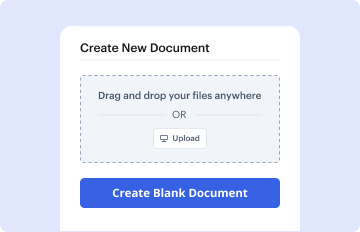
Hit New Document and choose Create Blank Document to be taken to the form builder.

Step 4: Set up the form layout.

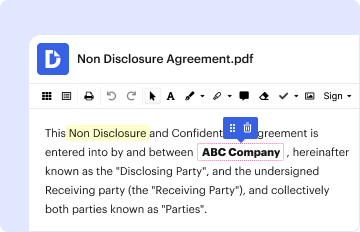
Use the DocHub tools to add and configure form fields like text areas, signature boxes, images, and others to your form.

Step 5: Add text and titles.

Add needed text, such as questions or instructions, using the text tool to guide the users in your document.

Step 6: Customize field properties.

Modify the properties of each field, such as making them required or arranging them according to the data you expect to collect. Assign recipients if applicable.

Step 7: Review and save.

After you’ve managed to design the Ohio Residential Lease, make a final review of your form. Then, save the form within DocHub, export it to your chosen location, or distribute it via a link or email.


be ready to get more

Build your Ohio Residential Lease in minutes

Start creating now

Got questions?

We have answers to the most popular questions from our customers. If you can't find an answer to your question, please contact us.
Contact us
A fixed-term lease is the most traditional lease. Theyre called fixed term because tenants and landlords are agreeing to abide by the lease for a fixed amount of time, normally six to 14 months.
The most common periodic tenancy is the month-to-month tenancy. rents causes the tenancy to be treated like a periodic tenancy (Civil Code Section 1946).
Types of tenancy agreements A fixed-term tenancy is most common, typically lasting between 6 to 12 months. A periodic tenancy usually runs monthly or weekly. It is set at the outset or automatically kicks in after the fixed-term tenancy ends.
In Ohio, tenants have the right to remain in the property until their lease expires, and the new owner must honor all existing lease terms. As the current landlord, you are required to provide at least 24-hour notice before scheduling showings to respect the tenants privacy.
Joint Tenancy Definition Common Use: This form of ownership is popular among married couples or family members, as it ensures that the property passes to the surviving owner(s) without the need for probate. Legal Implications: In Joint Tenancy, each owner has an undivided interest in the entire property.
be ready to get more

Build your Ohio Residential Lease in minutes

Start creating now

Related Q&A to Ohio Residential Lease

Put simply, an Ohio standard residential lease agreement is completed by the landlord after the rental application is provided by the tenant. Its a contract signed by both parties and states the rules associated with living in the unit, such as monthly rent payments, security deposits, and more.
Gross Lease Gross leases are most common for commercial properties such as offices and retail space. The tenant pays a single, flat amount that includes rent, taxes, utilities, and insurance. The landlord is responsible for paying taxes, utilities, and insurance from the rent fees.
What Should Be Included in an Ohio Lease Agreement? Basic Information of the Parties Involved. Property Description. Rent and Payment Details. Security Deposit and Fees. Lease Term and Renewal Options. Tenant Responsibilities and Rules. Landlord Responsibilities and Rules. Termination and Eviction Procedures.

Additional resources on building your forms


