
Create your NY Residential Lease Form from scratch

Start Building Now
Title decoration

Here's how it works

01. Start with a blank NY Residential Lease Form
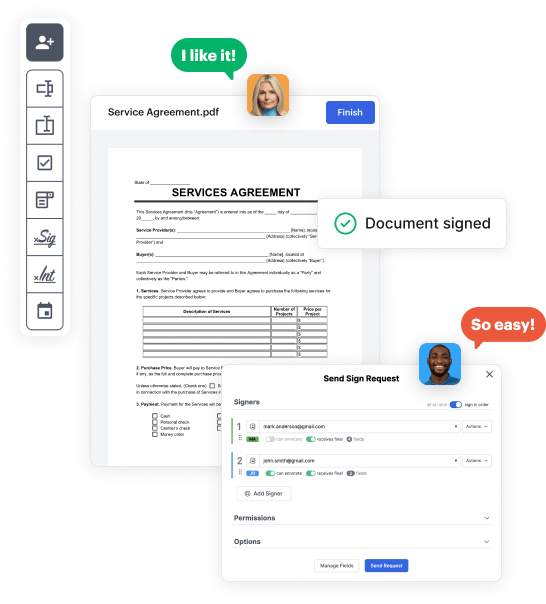
Open the blank document in the editor, set the document view, and add extra pages if applicable.
02. Add and configure fillable fields
Use the top toolbar to insert fields like text and signature boxes, radio buttons, checkboxes, and more. Assign users to fields.
03. Distribute your form
Share your NY Residential Lease Form in seconds via email or a link. You can also download it, export it, or print it out.

A detailed guide on how to craft your NY Residential Lease Form online

Form edit decoration

Step 1: Start with DocHub's free trial.

Go to the DocHub website and sign up for the free trial. This provides access to every feature you’ll need to create your NY Residential Lease Form with no upfront cost.

Step 2: Access your dashboard.

Sign in to your DocHub account and proceed to the dashboard.

Step 3: Craft a new document.

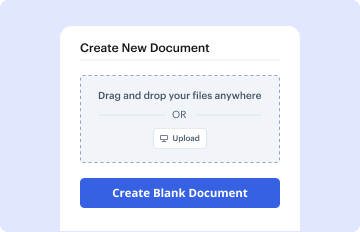
Hit New Document in your dashboard, and choose Create Blank Document to design your NY Residential Lease Form from the ground up.

Step 4: Use editing tools.

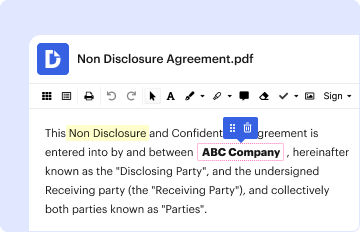
Insert various fields such as text boxes, radio buttons, icons, signatures, etc. Organize these elements to match the layout of your document and assign them to recipients if needed.

Step 5: Organize the form layout.

Rearrange your document effortlessly by adding, repositioning, removing, or combining pages with just a few clicks.

Step 6: Create the NY Residential Lease Form template.

Transform your freshly designed form into a template if you need to send many copies of the same document repeatedly.

Step 7: Save, export, or share the form.

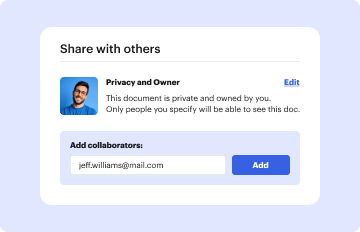
Send the form via email, share a public link, or even post it online if you wish to collect responses from more recipients.


be ready to get more

Build your NY Residential Lease Form in minutes

Start creating now

Got questions?

We have answers to the most popular questions from our customers. If you can't find an answer to your question, please contact us.
Contact us
However, a lease may contain an automatic renewal clause. In such case, the landlord must give the tenant advance notice of the existence of this clause between 15 and 30 days before the tenant is required to notify the landlord of an intention not to renew the lease. (General Obligations Law 5-905).
A New York standard residential lease agreement is a form that allows a landlord and tenant to enter into a legally binding arrangement for leasing residential space. The term standard means a fixed term that usually lasts for a one (1) year period but can be for any time period agreed by the parties.
Under the rent stabilization rules, your landlord must mail you a lease renewal 90 to 150 days prior to the expiration of your current lease. If you do not return the lease within 60 days, the landlord may refuse to renew your lease and could move to evict you after the lease expires.
Key Takeaways. A new law affecting renewals of rent-stabilized housing will benefit NYC landlords in 2024, allowing property owners to increase the rent up to 3% upon renewal for a one-year lease. For a two-year lease, landlords can raise the rent up to 2.75% after the first year and 3.20% for the second year.
State that you reviewed this with an attorney and as the landlord never signed the lease to the property located at (insert address), the lease is not legally binding. As such, with no executed lease, this is a month to month lease requiring 30 days notice to vacate.
be ready to get more

Build your NY Residential Lease Form in minutes

Start creating now

Related Q&A to NY Residential Lease Form

The owner must give written notice of renewal by mail or personal delivery not more than 150 days and not less than 90 days before the existing lease expires. The offer to renew the lease for New York City tenants must be on a Renewal Lease Form [DHCR Form RTP-8].
Depending on the circumstances, the landlord could renew the current Rental Agreement, have the tenant pay the remaining rent or fees, or satisfy specific conditions that the landlord has set.
Fill out the tenancy details: Name: Enter a name for the new tenancy. Description: Optionally, enter a description for the new tenancy. Service Namespace: Set a unique namespace for all resources created within this tenancy. Authentication Credentials: Set a user name and password for the primary tenancy administrator.