
Create your North Dakota Residential Lease from scratch

Start Building Now
Title decoration

Here's how it works

01. Start with a blank North Dakota Residential Lease
Open the blank document in the editor, set the document view, and add extra pages if applicable.
02. Add and configure fillable fields
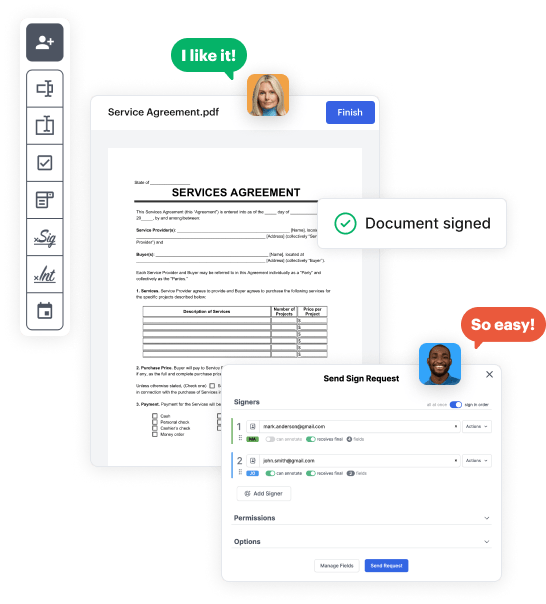
Use the top toolbar to insert fields like text and signature boxes, radio buttons, checkboxes, and more. Assign users to fields.
03. Distribute your form
Share your North Dakota Residential Lease in seconds via email or a link. You can also download it, export it, or print it out.

A detailed walkthrough of how to build your North Dakota Residential Lease online

Form edit decoration

Step 1: Start with DocHub's free trial.

Navigate to the DocHub website and register for the free trial. This provides access to every feature you’ll require to create your North Dakota Residential Lease without any upfront cost.

Step 2: Navigate to your dashboard.

Sign in to your DocHub account and proceed to the dashboard.

Step 3: Initiate a new document.

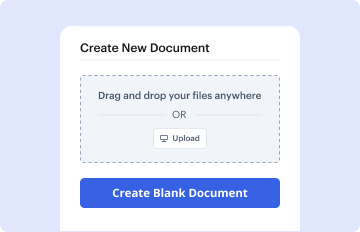
Hit New Document in your dashboard, and select Create Blank Document to craft your North Dakota Residential Lease from scratch.

Step 4: Use editing tools.

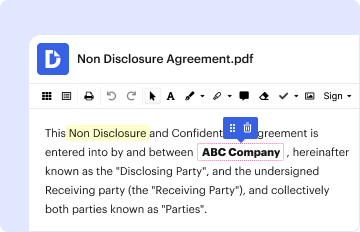
Insert various elements such as text boxes, radio buttons, icons, signatures, etc. Organize these elements to suit the layout of your form and designate them to recipients if needed.

Step 5: Organize the form layout.

Rearrange your form quickly by adding, repositioning, removing, or merging pages with just a few clicks.

Step 6: Create the North Dakota Residential Lease template.

Transform your freshly crafted form into a template if you need to send multiple copies of the same document repeatedly.

Step 7: Save, export, or distribute the form.

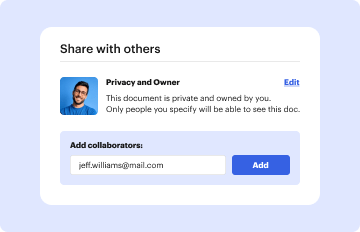
Send the form via email, distribute a public link, or even publish it online if you aim to collect responses from a broader audience.


be ready to get more

Build your North Dakota Residential Lease in minutes

Start creating now

Got questions?

We have answers to the most popular questions from our customers. If you can't find an answer to your question, please contact us.
Contact us
A North Dakota month-to-month rental agreement is a periodic lease that continues until either the landlord or tenant decides to terminate. Its terms are similar to a standard lease, but the flexibility is ideal for parties seeking short-term arrangements.
Termination of lease--Agreed term--Mutual consent--Acquisition of superior title by tenant. A lease is terminated: (1) By the expiration of the agreed term; (2) By the mutual consent of the parties; (3) By the tenant acquiring a title to the leased premises superior to that of the landlord. Source: SDC 1939, 38.0423.
Gross Lease Gross leases are most common for commercial properties such as offices and retail space. The tenant pays a single, flat amount that includes rent, taxes, utilities, and insurance. The landlord is responsible for paying taxes, utilities, and insurance from the rent fees.
Net leases A triple net lease, sometimes known as an NNN lease, is the most common type of commercial lease. A triple net lease is a lease whose monthly rent fee does not include operating expenses. Typical operating expenses include insurance, utilities, property taxes and maintenance costs.
In order to legally break a lease in North Dakota, a tenant must follow the terms outlined in their rental agreement. This may include providing a certain amount of notice to the landlord, finding a replacement tenant, or paying a fee.
be ready to get more

Build your North Dakota Residential Lease in minutes

Start creating now

Related Q&A to North Dakota Residential Lease

In a gross lease, the tenant pays a fixed price for rent, and the landlord is responsible for all operating expenses. This is the type of lease most common for residential properties and multifamily real estate because it is considered tenant-friendly.
A fixed-term lease is the most traditional lease. Theyre called fixed term because tenants and landlords are agreeing to abide by the lease for a fixed amount of time, normally six to 14 months.
The most common periodic tenancy is the month-to-month tenancy. rents causes the tenancy to be treated like a periodic tenancy (Civil Code Section 1946).

Additional resources on building your forms


