
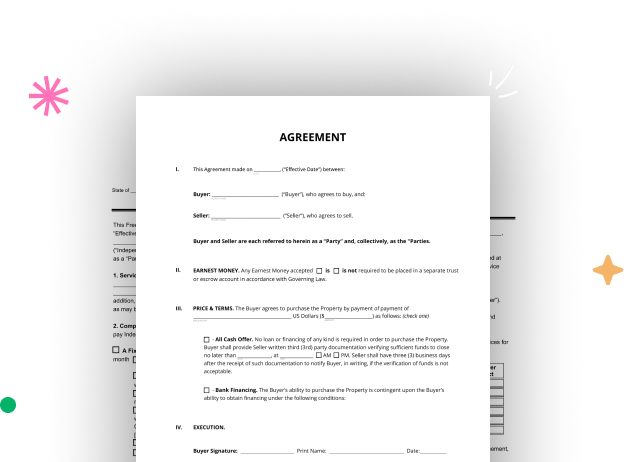

Create your North Dakota Real Estate Deed from scratch

Start Building Now
Title decoration

Here's how it works

01. Start with a blank North Dakota Real Estate Deed
Open the blank document in the editor, set the document view, and add extra pages if applicable.
02. Add and configure fillable fields
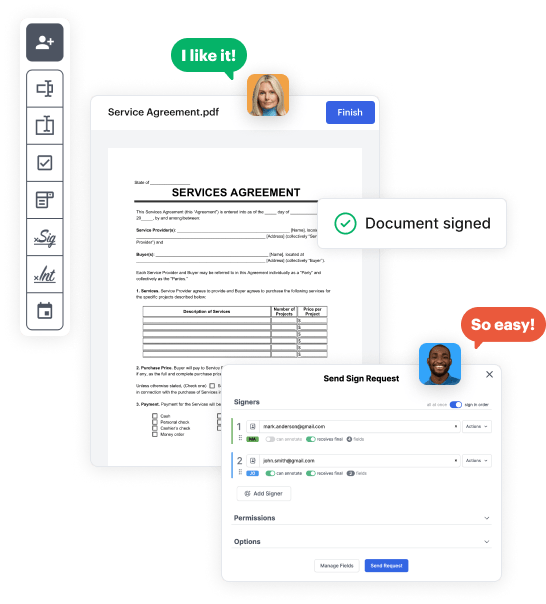
Use the top toolbar to insert fields like text and signature boxes, radio buttons, checkboxes, and more. Assign users to fields.
03. Distribute your form
Share your North Dakota Real Estate Deed in seconds via email or a link. You can also download it, export it, or print it out.

Build North Dakota Real Estate Deed from the ground up by following these step-by-step instructions

Form edit decoration

Step 1: Get started with DocHub.

Start by registering a free DocHub account using any offered sign-up method. If you already have one, simply log in.

Step 2: Sign up for a 30-day free trial.

Try out the entire suite of DocHub's advanced tools by signing up for a free 30-day trial of the Pro plan and proceed to craft your North Dakota Real Estate Deed.

Step 3: Start with a new empty doc.

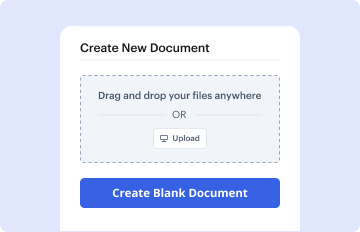
In your dashboard, click the New Document button > scroll down and hit Create Blank Document. You’ll be redirected to the editor.

Step 4: Organize the document’s layout.

Use the Page Controls icon indicated by the arrow to switch between two page views and layouts for more flexibility.

Step 5: Start inserting fields to design the dynamic North Dakota Real Estate Deed.

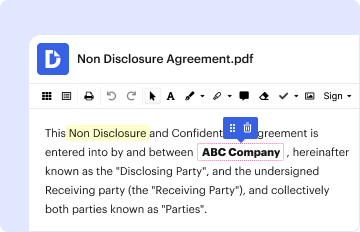
Explore the top toolbar to place document fields. Add and format text boxes, the signature block (if applicable), embed images, etc.

Step 6: Prepare and configure the incorporated fields.

Arrange the fields you incorporated based on your desired layout. Adjust each field's size, font, and alignment to make sure the form is easy to use and neat-looking.

Step 7: Finalize and share your template.

Save the ready-to-go copy in DocHub or in platforms like Google Drive or Dropbox, or design a new North Dakota Real Estate Deed. Send out your form via email or use a public link to reach more people.


be ready to get more

Build your North Dakota Real Estate Deed in minutes

Start creating now

Got questions?

We have answers to the most popular questions from our customers. If you can't find an answer to your question, please contact us.
Contact us
A deed transferring North Dakota real estate must be recorded with the county recorder for the county where the property is located. The county recorder assigns a document number to a deed upon recording.
A North Dakota deed must include one of two certifications signed by the new owner. The new owner certifies (a) the full consideration paid for the property or (b) that a statement of consideration is not required because the deed is exempt.
A deed is a written document which is executed with the necessary formality (that is, more than a simple signature), and by which an interest, right or property passes or is confirmed, or an obligation binding on some person is created or confirmed. Deeds are generally enforceable despite any lack of consideration.
A warranty deed comes with a promise from the grantor that the title to the property is free and clear of any defects and that the grantor has the full right, title, and authority to sell the property to the grantee.
Laws Requirements Signing Requirements 47-19-03: A grantor must sign a quitclaim deed in North Dakota before a notary public and have it docHubd. Recording Requirements 47-19-07: A quitclaim deed in North Dakota is filed with the County Recorders Office in the county where the property is located.
be ready to get more

Build your North Dakota Real Estate Deed in minutes

Start creating now

Related Q&A to North Dakota Real Estate Deed

There are several different essentials to a valid deed: 1. It must be in writing; 2. The parties must be properly described; 3. The parties must be competent to convey and capable of receiving the grant of the property; 4.
For a deed to be valid, it must contain several essential elements, including the operative words of conveyance, description of the property, signatures, delivery, proper formatting and execution, absence of defects and encumbrances, legal capacity of parties, proper recording, and voluntary execution.

Additional resources on building your forms


