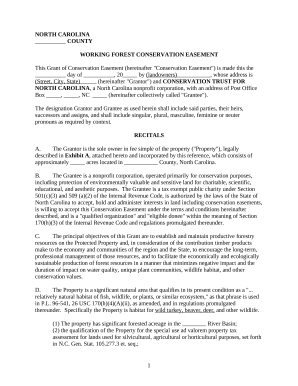
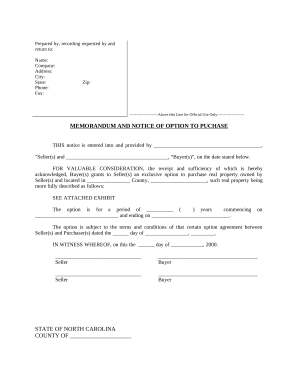
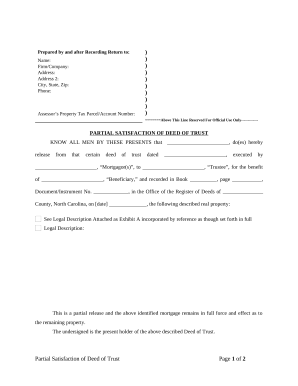
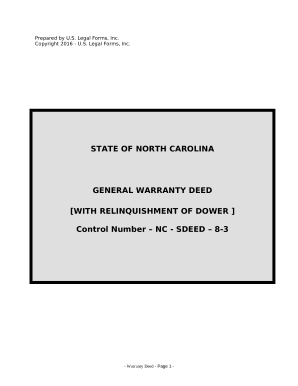
Improve your form administration with North Carolina Real Estate Forms

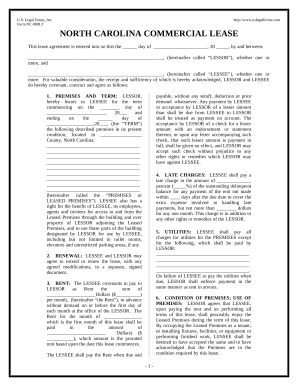
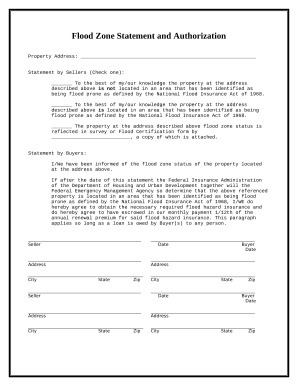
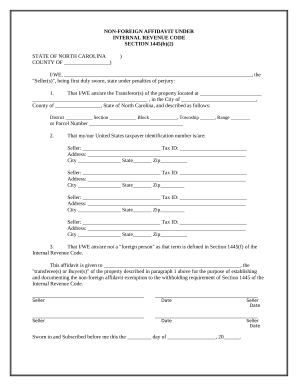
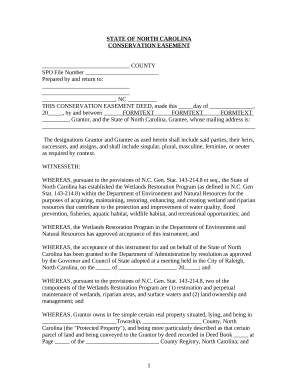
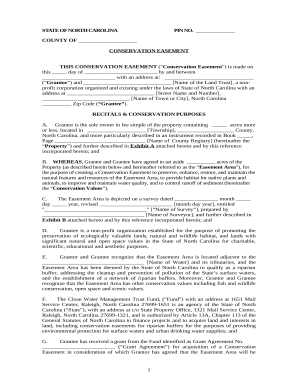
Your workflows always benefit when you can locate all the forms and documents you will need on hand. DocHub provides a huge selection of form templates to alleviate your daily pains. Get a hold of North Carolina Real Estate Forms category and quickly find your form.

Start working with North Carolina Real Estate Forms in several clicks:

  1. Access North Carolina Real Estate Forms and locate the form you require.
  2. Click on Get Form to open it in our online editor.
  3. Begin editing your document: add more fillable fields, highlight paragraphs, or blackout sensitive data.
  4. The application saves your modifications automatically, and after you are all set, you are able to download or distribute your form with other contributors.

Enjoy smooth document management with DocHub. Discover our North Carolina Real Estate Forms collection and discover your form today!


Video Guide on North Carolina Real Estate Forms management

video background

Commonly Asked Questions about North Carolina Real Estate Forms

Does North Carolina have real estate license reciprocity with any other states? North Carolina does not have a formal reciprocity arrangement with any other states. However, out-of-state agents can speed up the North Carolina licensing process by getting the education portion waived.
The Residential Property Disclosure Act, codified as North Carolina G.S. 47E, requires the seller of residential real estate (one to four dwelling units) to complete a formknown formally as the Residential Property and Owners Association Disclosure Statementdisclosing conditions and defects with the property.
North Carolina law does not require homeowners or real estate agents to disclose any death that has occurred in the home. However, if a potential buyer asks, the seller is required to divulge the information.
Becoming a real estate broker in North Carolina requires a state-issued license.
Is an attorney required for closing in North Carolina? Specifically, in the state of North Carolina, it is mandated by law that the closing process of a real estate transaction is overseen by a licensed North Carolina attorney as it is a practice of law.
North Carolina Real Estate Disclosure Laws NC Real Estate Disclosure law mandates that sellers identify and disclose any known defects in their property before a purchase contract is signed.
North Carolina law allows due diligence money and earnest money to be negotiated as part of the home buying process. Once you have found the perfect home and the seller accepts your offer, due diligence money and earnest money will be negotiated and paid by the buyer as a sign of good faith.
Agreement for Purchase and Sale of Real Property (Standard Form 580-T): This type of contract is used for the sale and purchase of commercial real estate and can be used for any form and format of commercial property, including vacant land to be developed commercially and commercial properties that are either owner-