

Manage Nonprofit Legal Forms effortlessly online

Document managing can overpower you when you can’t discover all the forms you need. Luckily, with DocHub's substantial form categories, you can discover everything you need and easily take care of it without the need of switching between apps. Get our Nonprofit Legal Forms and begin working with them.

Using our Nonprofit Legal Forms using these easy steps:

  1. Check Nonprofit Legal Forms and select the form you need.
  2. Review the template and then click Get Form.
  3. Wait for it to upload in our online editor.
  4. Adjust your document: add new information and images, and fillable fields or blackout some parts if necessary.
  5. Complete your document, preserve changes, and prepare it for delivering.
  6. When all set, download your form or share it with your contributors.

Try out DocHub and browse our Nonprofit Legal Forms category easily. Get a free account today!

Video Guide on Nonprofit Legal Forms management

video background

Commonly Asked Questions about Nonprofit Legal Forms

A not-for-profit corporation has members, not shareholders. A for-profit corporation or company has shareholders instead of members. Unlike members of a non-share capital corporation, these shareholders may get profits paid in the form of dividends.
Generally, a nonprofit corporation is recommended over a nonprofit LLC simply because a nonprofit corporation is a bit more practical. For starters, a corporation is a more proven entity type; the IRS has firmly established guidance for their taxation, exemption from income taxes, and more.
There are four main types of legal structures for nonprofit organizations in California. These are unincorporated associations, trusts, corporations, and limited liability companies. For a number of reasons, the most common type of California nonprofit organization is the corporation.
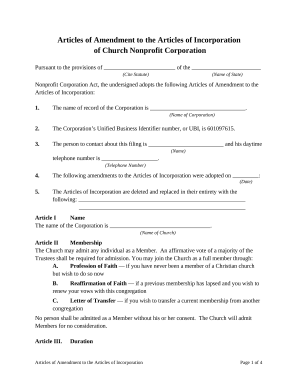
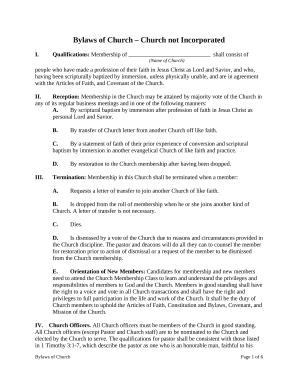
There are three primary documents that govern the operations of a nonprofit organization: (1) the articles of incorporation, (2) the bylaws, and (3) the conflict of interest policy.
The nonprofit corporation is the traditional business structure among nonprofit organizations, and as such, it is also the most common. Nonprofit corporations are formed under state law, and as a result, are subject to state rules and regulations after their formation.
If your organization will be represented by a third party, whether in person or by correspondence, you must file a power of attorney specifically authorizing the individual to represent your organization. Form 2848, Power of Attorney and Declaration of Representative, may be used for this purpose.
Incorporated associations An incorporated association is the most common legal structure for registered charities. The name of an incorporated association will be something like XYZ Incorporated or XYZ Inc.
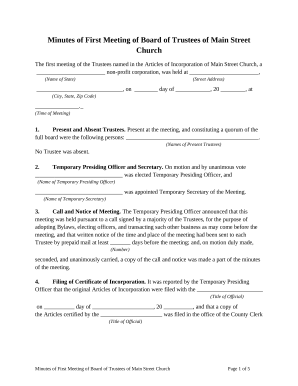
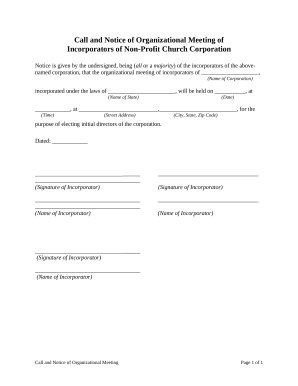
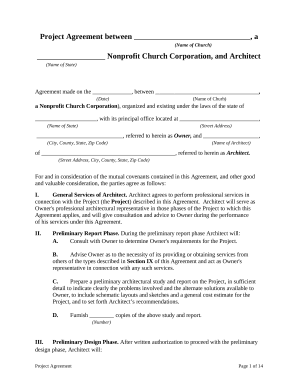
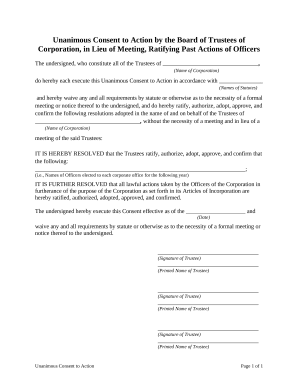
5 important legal documents for nonprofit organizations Articles of incorporation. Bylaws. Forms for establishing tax-exempt status. Minutes from organizational meetings and board meetings. Legal documents for daily operations.

