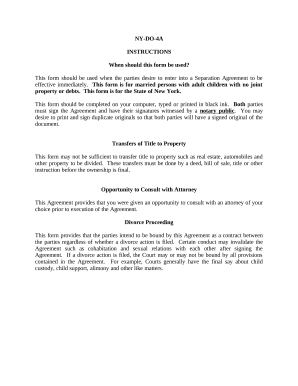
Handle No Joint Property Settlement Forms quickly online

Document management can overpower you when you can’t locate all the forms you require. Fortunately, with DocHub's considerable form library, you can find everything you need and easily deal with it without the need of changing between applications. Get our No Joint Property Settlement Forms and start utilizing them.

Using our No Joint Property Settlement Forms using these simple steps:

  1. Browse No Joint Property Settlement Forms and choose the form you require.
  2. Review the template and click Get Form.
  3. Wait for it to upload in our online editor.
  4. Change your template: add new information and images, and fillable fields or blackout some parts if required.
  5. Complete your template, preserve modifications, and prepare it for delivering.
  6. When you are ready, download your form or share it with your contributors.

Try out DocHub and browse our No Joint Property Settlement Forms category easily. Get your free profile today!


Video Guide on No Joint Property Settlement Forms management

video background

Commonly Asked Questions about No Joint Property Settlement Forms

If you prefer to write your own consent document, you may do so, but be sure to include all required elements of informed consent.
A consent order document sets out the arrangement or terms you hope to achieve with the order. You can complete this or ask a solicitor to draft the document for you. Although cheaper to apply for it yourself, it requires cooperation from both parties.
In essence, a court order is one that is made by a judge and not usually negotiated between parties. A Consent Order is a court Order that contains terms that the parties have agreed to or consented to themselves.
Form D81 differs from a Form E which you may have heard of in that a Form E is used prior to an agreement between parties and assists parties with docHubing an agreement whereas the Form D81 is primarily used after an agreement has been docHubed and informs the court of the parties assets in one concise document.
Form E is used in divorces and dissolutions. Form E1 is used for financial remedies other than a Financial Order or financial relief in international divorce and dissolutions, for example, for claims in respect of children where the parents are not married or in a civil partnership.
D81 - Statement of information for a consent order in relation to a financial remedy.