
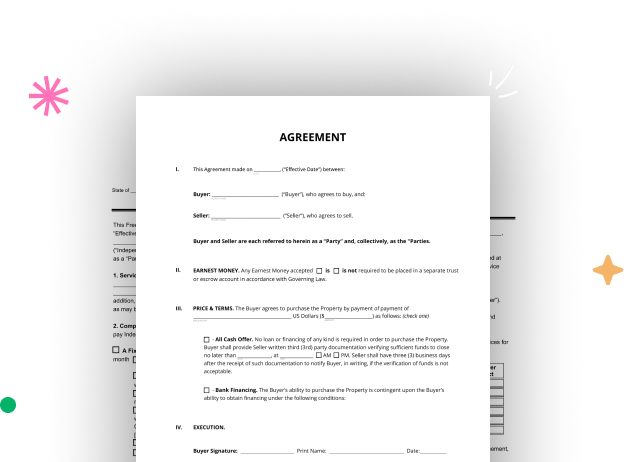

Create your NJ Real Estate Legal Form from scratch

Start Building Now
Title decoration

Here's how it works

01. Start with a blank NJ Real Estate Legal Form
Open the blank document in the editor, set the document view, and add extra pages if applicable.
02. Add and configure fillable fields
Use the top toolbar to insert fields like text and signature boxes, radio buttons, checkboxes, and more. Assign users to fields.
03. Distribute your form
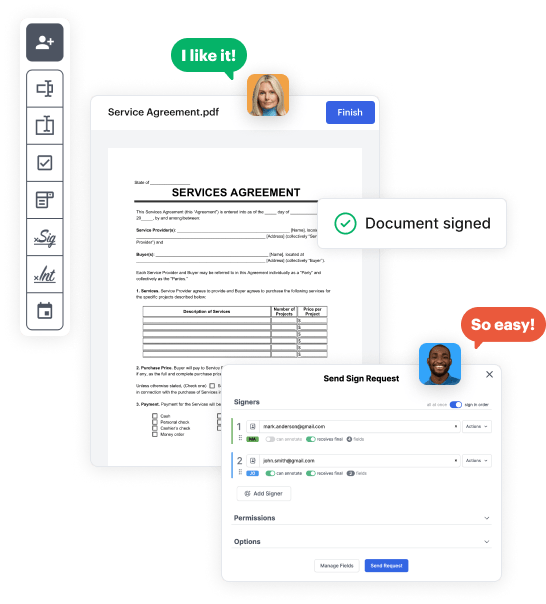
Share your NJ Real Estate Legal Form in seconds via email or a link. You can also download it, export it, or print it out.

Create your NJ Real Estate Legal Form in a matter of minutes

Form edit decoration

Step 1: Access DocHub to build your NJ Real Estate Legal Form.

Begin signining into your DocHub account. Explore the pro DocHub functionality at no cost for 30 days.

Step 2: Navigate to the dashboard.

Once signed in, head to the DocHub dashboard. This is where you'll build your forms and manage your document workflow.

Step 3: Design the NJ Real Estate Legal Form.

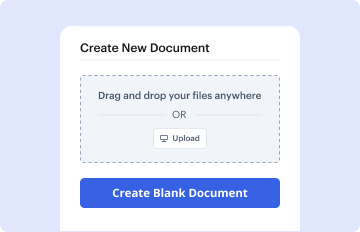
Hit New Document and choose Create Blank Document to be redirected to the form builder.

Step 4: Design the form layout.

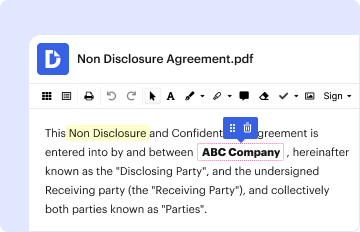
Use the DocHub features to add and configure form fields like text areas, signature boxes, images, and others to your document.

Step 5: Insert text and titles.

Include needed text, such as questions or instructions, using the text tool to assist the users in your form.

Step 6: Customize field settings.

Adjust the properties of each field, such as making them compulsory or arranging them according to the data you plan to collect. Designate recipients if applicable.

Step 7: Review and save.

After you’ve managed to design the NJ Real Estate Legal Form, make a final review of your document. Then, save the form within DocHub, send it to your preferred location, or distribute it via a link or email.


be ready to get more

Build your NJ Real Estate Legal Form in minutes

Start creating now

Got questions?

We have answers to the most popular questions from our customers. If you can't find an answer to your question, please contact us.
Contact us
New Jersey Form 118 PDF Details It delineates the roles of real estate brokers, stipulating whom they represent, thereby making clear any potential conflicts of interest.
In New Jersey, the elements of a valid contract are: An offer (see Offer). An acceptance (see Acceptance). Consideration (see Consideration). Mutual assent and intent to be bound (see Mutual Assent and Intent to be Bound).
A real estate contract must state who the parties are, the purchase price and how it will be paid, a description of the property, the kind of deed that will be delivered, the type of title held by the seller, the date the buyer will take possession, and other clauses relating to the property.
As a result, all owners and landlords of commercial properties are now required to comply with the Flood Disclosure Law. Beginning March 20, 2024, all sellers of New Jersey real property are required to provide a Property Condition Disclosure Statement (Disclosure Statement) to a purchaser.
The complete offer to purchase package is sent via email to the listing agent along with a summary in the body of the email. The summary should include the following key points: Purchase price, % Down payment, Proposed closing date, Contingencies****, and any special requests.
be ready to get more

Build your NJ Real Estate Legal Form in minutes

Start creating now

Related Q&A to NJ Real Estate Legal Form

In 1995, the New Jersey Supreme Court decided in In re: Opinion No. 26 that it is in the public interest to permit buyers and sellers of residential real estate to choose whether or not to incur the cost of hiring a lawyer.
The laws and mandates set forth by the New Jersey Real Estate Commission are separate from the regulations of the Realtor organization, though all New Jersey Realtors must first be licensed real estate professionals with the state.
New Jersey real estate contracts typically include the following terms: Information about the parties, including the seller, buyer, and agent. Description of the property, including the legal description and physical address. The agreed-upon sales price.

Additional resources on building your forms


