Create your New Jersey Rental Law from scratch

Start Building Now
Title decoration

Here's how it works

01. Start with a blank New Jersey Rental Law
Open the blank document in the editor, set the document view, and add extra pages if applicable.
02. Add and configure fillable fields
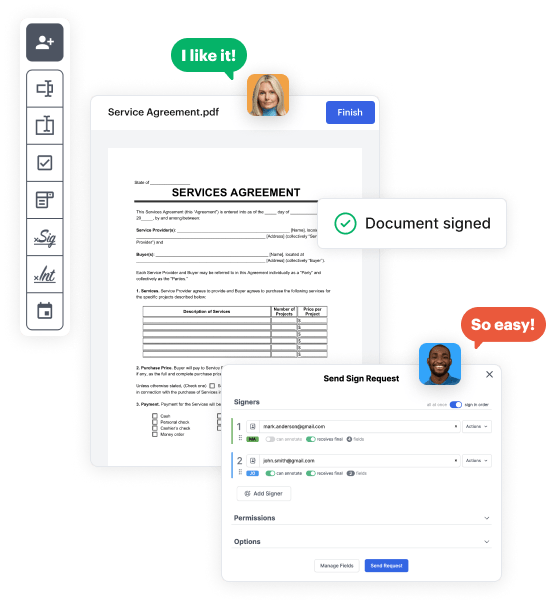
Use the top toolbar to insert fields like text and signature boxes, radio buttons, checkboxes, and more. Assign users to fields.
03. Distribute your form
Share your New Jersey Rental Law in seconds via email or a link. You can also download it, export it, or print it out.

Build New Jersey Rental Law from scratch by following these comprehensive guidelines
Form edit decoration

Step 1: Start off by launching DocHub.

Begin by signing up for a free DocHub account using any offered sign-up method. Just log in if you already have one.

Step 2: Sign up for a 30-day free trial.

Try out the entire set of DocHub's pro features by registering for a free 30-day trial of the Pro plan and proceed to craft your New Jersey Rental Law.

Step 3: Build a new empty document.

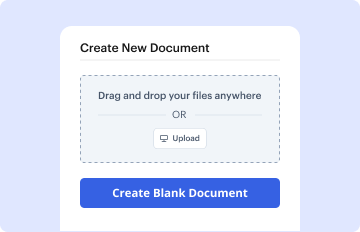
In your dashboard, select the New Document button > scroll down and hit Create Blank Document. You will be taken to the editor.

Step 4: Organize the document’s layout.

Utilize the Page Controls icon marked by the arrow to toggle between two page views and layouts for more flexibility.

Step 5: Begin by inserting fields to create the dynamic New Jersey Rental Law.

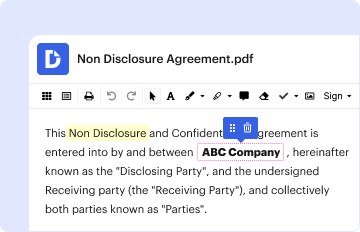
Navigate through the top toolbar to add document fields. Add and arrange text boxes, the signature block (if applicable), add photos, and other elements.

Step 6: Prepare and configure the added fields.

Arrange the fields you added based on your chosen layout. Personalize the size, font, and alignment to make sure the form is user-friendly and neat-looking.

Step 7: Finalize and share your document.

Save the finalized copy in DocHub or in platforms like Google Drive or Dropbox, or craft a new New Jersey Rental Law. Share your form via email or utilize a public link to engage with more people.


be ready to get more

Build your New Jersey Rental Law in minutes

Start creating now

Got questions?

We have answers to the most popular questions from our customers. If you can't find an answer to your question, please contact us.
Contact us
Tenant rights grant them the ability to seek housing without any kind of discrimination from their landlord, as well as to ensure habitable housing conditions. New Jersey landlord-tenant law also allows tenants to request property repairs on time.
New Jersey Eviction Time Estimates ActionDuration Eviction hearing 10-30 days after issuance of summons Issuance of warrant of removal 3 business days after judgment is entered Time to quit after warrant is posted 3 business days Total 3 weeks 3 months4 more rows Nov 3, 2023
What is required to rent an apartment in NJ? To rent in NJ, you need a filled-out application, proof of income (like pay stubs), consent for credit and background checks, and often a rental history report.
After giving a Notice to Quit, the landlord may file suit for an eviction. If a suit for eviction is filed and the landlord wins his case, he may be granted a Judgment for Possession. A Judgment for Possession ends the tenancy and allows the landlord to have the tenant evicted from the rental premises.
Is a rental license required to be a residential landlord? No, but New Jersey does require landlords to file a Landlord Identity Registration Form or obtain a Certificate of Registration from the Bureau of Housing Inspection of the Department of Community Affairs.
be ready to get more

Build your New Jersey Rental Law in minutes

Start creating now

Related Q&A to New Jersey Rental Law

However, its important to know that even without a lease your landlord is still required to give you a 30-day notice for ending your lease or for increasing your rent. If you refuse to pay the increase in your rent, the landlord has the right to legally begin the eviction process.
Landlords in New Jersey cannot violate the implied warranty of habitability, discriminate against tenants, unjustly withhold security deposits, evict tenants without proper notice or due process, raise rent without giving proper notice, enter a tenants dwelling without reasonable notice except in emergencies, or
Ok as the sole owners of the home they are allowed to force him to leave. By law he is a month-to-month tenant since there is no written lease. The first step is they need to give him a written 30 Day Notice to Vacate. If he refuses to vacate within 30 days then they are allowed to file for eviction.

Additional resources on building your forms