

Create your Nebraska Tenant Law from scratch

Start Building Now
Title decoration

Here's how it works

01. Start with a blank Nebraska Tenant Law
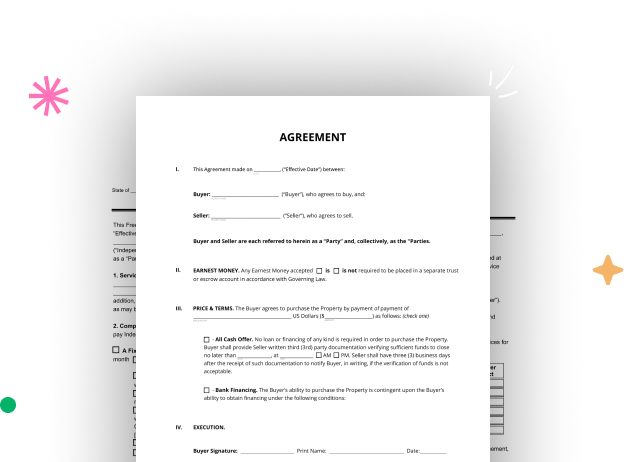
Open the blank document in the editor, set the document view, and add extra pages if applicable.
02. Add and configure fillable fields
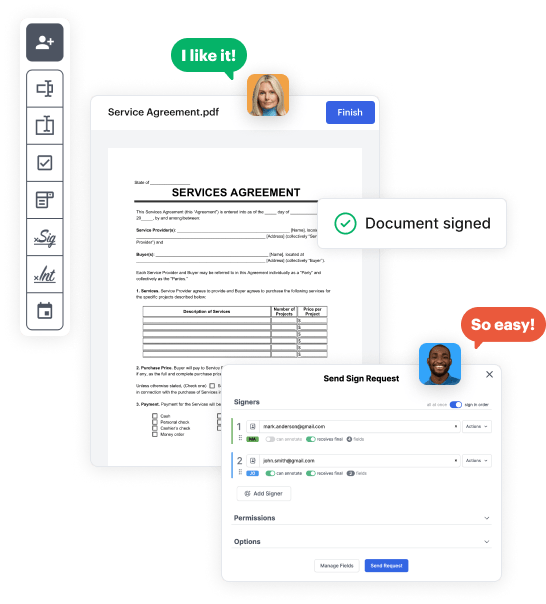
Use the top toolbar to insert fields like text and signature boxes, radio buttons, checkboxes, and more. Assign users to fields.
03. Distribute your form
Share your Nebraska Tenant Law in seconds via email or a link. You can also download it, export it, or print it out.

A quick tutorial on how to create a polished Nebraska Tenant Law

Form edit decoration

Step 1: Log in to DocHub to create your Nebraska Tenant Law.

First, sign in to your DocHub account. If you don't have one, you can easily sign up for free.

Step 2: Head to the dashboard.

Once you’re in, access your dashboard. This is your central hub for all document-focused tasks.

Step 3: Kick off new document creation.

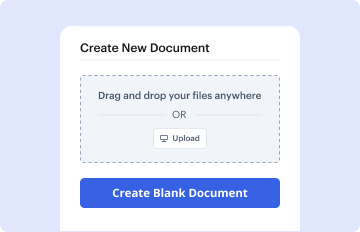
In your dashboard, click on New Document in the upper left corner. Opt for Create Blank Document to put together the Nebraska Tenant Law from a blank slate.

Step 4: Incorporate template elements.

Add different fields like text boxes, images, signature fields, and other options to your template and designate these fields to intended users as required.

Step 5: Configure your document.

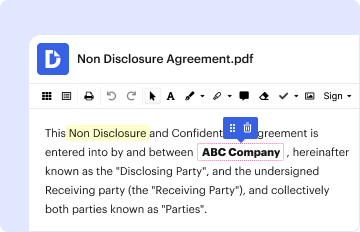
Customize your template by inserting walkthroughs or any other required information utilizing the text feature.

Step 6: Double-check and correct the document.

Meticulously examine your created Nebraska Tenant Law for any typos or needed adjustments. Make use of DocHub's editing capabilities to polish your document.

Step 7: Share or export the document.

After completing, save your file. You can choose to keep it within DocHub, export it to various storage services, or send it via a link or email.


be ready to get more

Build your Nebraska Tenant Law in minutes

Start creating now

Got questions?

We have answers to the most popular questions from our customers. If you can't find an answer to your question, please contact us.
Contact us
Nebraska is a moderately landlord-friendly state. There are no maximums on security deposits or late fees, and the eviction process is typically quicker than in other states.
Changing the tenancy agreement A tenancy agreement can normally only be changed if both you and your landlord agree. If you both agree, the change should be recorded in writing, either by drawing up a new written document setting out the terms of the tenancy or by amending the existing written tenancy agreement.
An unmentioned roommate is not a legal impossibility; its just an unspoken one. So long as the person doesnt intrude on your lease rights, theres nothing stopping you from having a guest (or several) as a roommate without being on the lease.
Importantly, the letter highlights the potential roommates ability to pay rent (mentioning his employment), vouches for him personally (noting how long the current tenant has known him), and offers to provide the landlord further helpful information (such as his credit report and references).
Steps to Add a Tenant to an Existing Lease Acquire a Written Request to Add a Tenant. Check the Units Occupancy Limit. Require a Completed Rental Application. Screen and Approve/Deny the New Tenant. Review the Details With Each Tenant.
be ready to get more

Build your Nebraska Tenant Law in minutes

Start creating now

Related Q&A to Nebraska Tenant Law

In general, things to include in a lease addendum might be: Your name. The rental property address. The tenants name. Relevant policy/information (that complies with your state/municipals rental laws) Consequences for breaking any contract agreements. Space to sign date for landlord. Space to sign date for tenant.
Legal eviction in Nebraska must be accomplished through a civil court lawsuit of forcible entry and detainer filed by the plaintiff/landlord versus the tenant that is to be evicted.
Yes, a lease addendum can be used to add a tenant to an existing lease agreement. The addendum should be in writing and should be signed by all parties involved, including the original tenants and the new tenant.

Additional resources on building your forms


