
Create your Nebraska Residential Lease Agreement from scratch

Start Building Now
Title decoration

Here's how it works

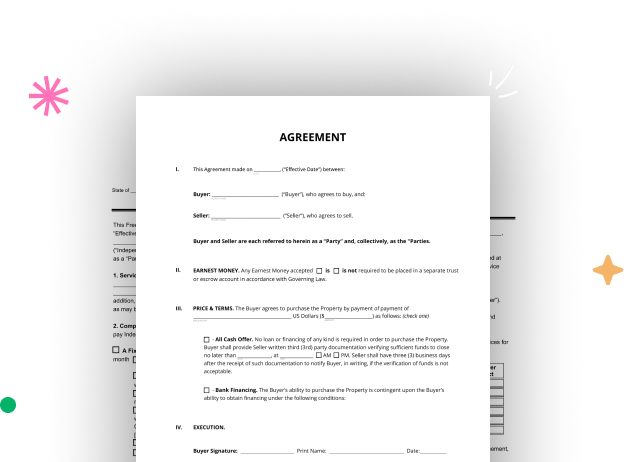
01. Start with a blank Nebraska Residential Lease Agreement
Open the blank document in the editor, set the document view, and add extra pages if applicable.
02. Add and configure fillable fields
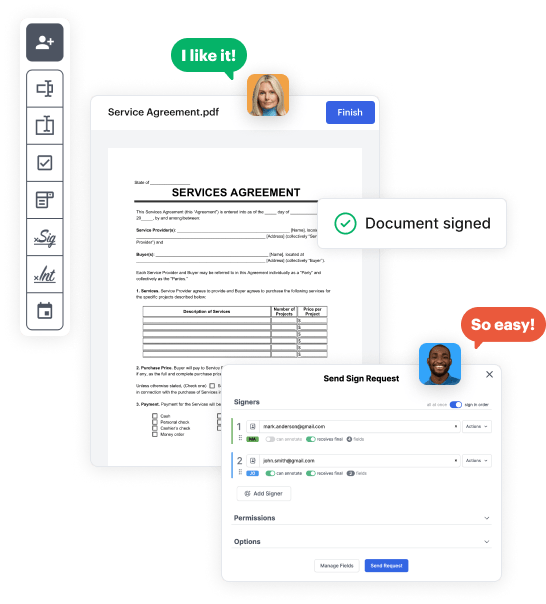
Use the top toolbar to insert fields like text and signature boxes, radio buttons, checkboxes, and more. Assign users to fields.
03. Distribute your form
Share your Nebraska Residential Lease Agreement in seconds via email or a link. You can also download it, export it, or print it out.

Craft Nebraska Residential Lease Agreement from the ground up with these step-by-step instructions

Form edit decoration

Step 1: Get started with DocHub.

Start by signing up for a free DocHub account using any available sign-up method. Simply log in if you already have one.

Step 2: Register for a free 30-day trial.

Try out the whole collection of DocHub's advanced tools by signing up for a free 30-day trial of the Pro plan and proceed to craft your Nebraska Residential Lease Agreement.

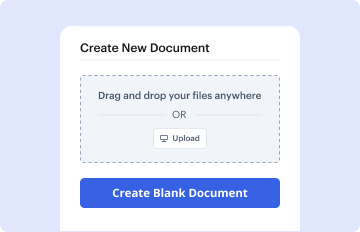
Step 3: Create a new empty document.

In your dashboard, click the New Document button > scroll down and choose to Create Blank Document. You will be redirected to the editor.

Step 4: Arrange the view of the document.

Utilize the Page Controls icon marked by the arrow to switch between different page views and layouts for more convenience.

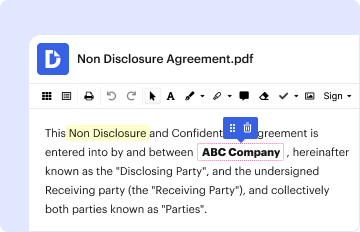
Step 5: Begin by adding fields to create the dynamic Nebraska Residential Lease Agreement.

Use the top toolbar to add document fields. Insert and arrange text boxes, the signature block (if applicable), insert images, etc.

Step 6: Prepare and configure the incorporated fields.

Configure the fields you incorporated per your chosen layout. Customize each field's size, font, and alignment to make sure the form is user-friendly and polished.

Step 7: Finalize and share your form.

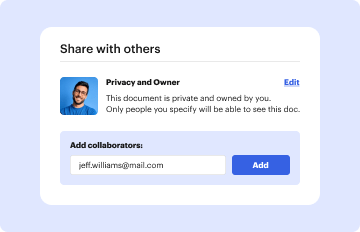
Save the completed copy in DocHub or in platforms like Google Drive or Dropbox, or design a new Nebraska Residential Lease Agreement. Distribute your form via email or use a public link to engage with more people.


be ready to get more

Build your Nebraska Residential Lease Agreement in minutes

Start creating now

Got questions?

We have answers to the most popular questions from our customers. If you can't find an answer to your question, please contact us.
Contact us
A Nebraska month-to-month lease agreement operates on a tenancy-at-will basis, allowing either party to terminate the agreement with a notice period. Unlike fixed-term rentals, these agreements automatically renew unless a termination notice is provided.
Its a common misconception that a tenant can cancel a lease within 3 days of signing. Our librarians have not found any Texas laws that set out an automatic grace period for canceling a lease agreement. Generally, a tenant would be bound by the terms of the lease agreement once it is signed.
A Nebraska rent-to-own lease agreement is a contract between a landlord and tenant for the renting of property with an option to buy. The terms of the purchase should be negotiated at the time of lease signing with the sale to occur upon the tenant giving notice to the landlord.
A landlord must allow the tenant to renew the lease unless the landlord has good cause for an eviction under the Anti-Eviction Act. (This does not apply to two or three-family owner occupied dwellings, motels, hotels, transients or seasonal tenants).
Renewing a tenancy means the tenant simply signs a new tenancy agreement for a new fixed term.
be ready to get more

Build your Nebraska Residential Lease Agreement in minutes

Start creating now

Related Q&A to Nebraska Residential Lease Agreement

Changing the tenancy agreement A tenancy agreement can normally only be changed if both you and your landlord agree. If you both agree, the change should be recorded in writing, either by drawing up a new written document setting out the terms of the tenancy or by amending the existing written tenancy agreement.
For month-to-month tenancies, you must provide a 30-day written notice of the change in the terms of the tenancy. If the change involves a rent increase of more than 10%, a 90-day notice is required. However, if the increase is due to income or household size recertification, you only need to provide 30 days notice.

Additional resources on building your forms


