
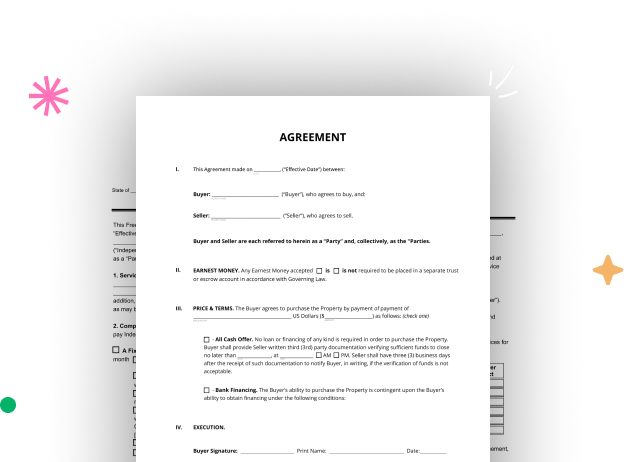
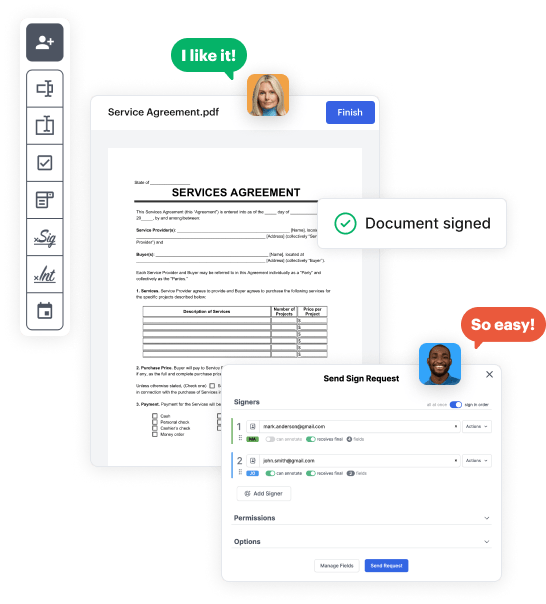
Create your Nebraska Landlord Tenant Law from scratch

Start Building Now
Title decoration

Here's how it works

01. Start with a blank Nebraska Landlord Tenant Law
Open the blank document in the editor, set the document view, and add extra pages if applicable.
02. Add and configure fillable fields
Use the top toolbar to insert fields like text and signature boxes, radio buttons, checkboxes, and more. Assign users to fields.
03. Distribute your form
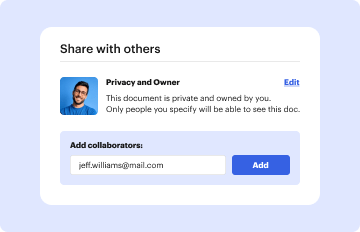
Share your Nebraska Landlord Tenant Law in seconds via email or a link. You can also download it, export it, or print it out.

Design your Nebraska Landlord Tenant Law in a matter of minutes

Form edit decoration

Step 1: Access DocHub to set up your Nebraska Landlord Tenant Law.

Start signining into your DocHub account. Try out the pro DocHub functionality free for 30 days.

Step 2: Navigate to the dashboard.

Once logged in, go to the DocHub dashboard. This is where you'll create your forms and handle your document workflow.

Step 3: Create the Nebraska Landlord Tenant Law.

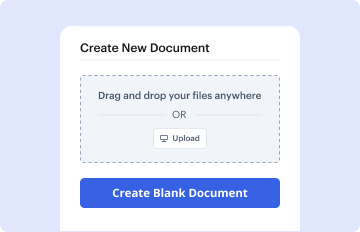
Hit New Document and choose Create Blank Document to be redirected to the form builder.

Step 4: Set up the form layout.

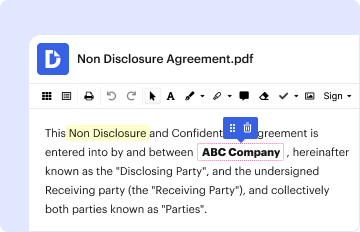
Use the DocHub tools to add and configure form fields like text areas, signature boxes, images, and others to your document.

Step 5: Add text and titles.

Add necessary text, such as questions or instructions, using the text tool to guide the users in your form.

Step 6: Customize field properties.

Adjust the properties of each field, such as making them compulsory or arranging them according to the data you expect to collect. Assign recipients if applicable.

Step 7: Review and save.

After you’ve managed to design the Nebraska Landlord Tenant Law, make a final review of your document. Then, save the form within DocHub, export it to your preferred location, or distribute it via a link or email.


be ready to get more

Build your Nebraska Landlord Tenant Law in minutes

Start creating now

Got questions?

We have answers to the most popular questions from our customers. If you can't find an answer to your question, please contact us.
Contact us
In calculating a 3, 30, 60 or 90-day notice period, do not count the day you receive the notice. For example, if you receive the notice on a Monday, day one is on Tuesday. Also, if the last day falls on a Saturday, Sunday, or holiday, you have until the next business day to take care of the problem or move out.
The 14-day/30-day notice must say how the tenant is bdocHubing the lease and that the lease will automatically terminate 30 days (or more) from the date of the notice unless the tenant fixes the problem within 14 days of the date of the notice.
A 30-day notice period means that the notice period can begin on any day of the month and will terminate exactly 30 days later. For instance, if an employee gives notice on the 10th of the month, their last working day would be the 9th of the following month.
Legal eviction in Nebraska must be accomplished through a civil court lawsuit of forcible entry and detainer filed by the plaintiff/landlord versus the tenant that is to be evicted.
If a tenant receives a 30-day notice, it is NOT AN EVICTION. It means that the landlord no longer wishes to continue the tenancy, but it does not mean that the tenant has violated the lease and it will not come up as an eviction on the tenants rental history.
be ready to get more

Build your Nebraska Landlord Tenant Law in minutes

Start creating now

Related Q&A to Nebraska Landlord Tenant Law

Landlords Duties: A landlord must (1) comply with the requirements of the applicable housing codes materially affecting health and safety (2) make all repairs and keep the premises in a fit and habitable condition (3) keep all common areas in a clean and safe condition (3) maintain in good and safe working order and
Steps to Add a Tenant to an Existing Lease Acquire a Written Request to Add a Tenant. Check the Units Occupancy Limit. Require a Completed Rental Application. Screen and Approve/Deny the New Tenant. Review the Details With Each Tenant.

Additional resources on building your forms


