
Create your Mortgage Legal Document from scratch

Start Building Now
Title decoration

Here's how it works

01. Start with a blank Mortgage Legal Document
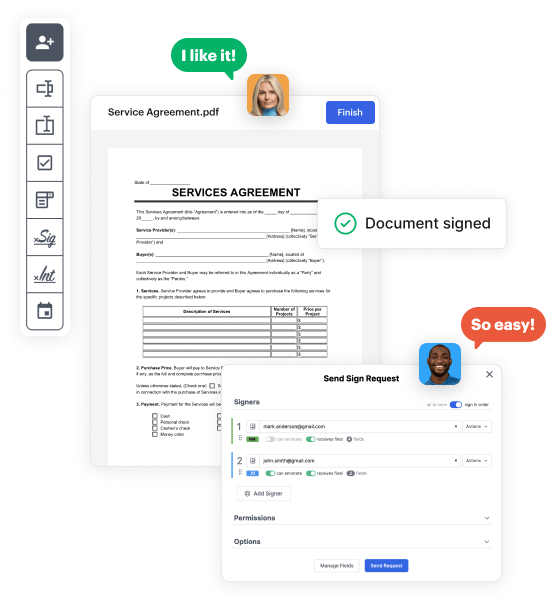
Open the blank document in the editor, set the document view, and add extra pages if applicable.
02. Add and configure fillable fields
Use the top toolbar to insert fields like text and signature boxes, radio buttons, checkboxes, and more. Assign users to fields.
03. Distribute your form
Share your Mortgage Legal Document in seconds via email or a link. You can also download it, export it, or print it out.

A quick tutorial on how to set up a professional-looking Mortgage Legal Document

Form edit decoration

Step 1: Log in to DocHub to begin creating your Mortgage Legal Document.

First, sign in to your DocHub account. If you don't have one, you can easily sign up for free.

Step 2: Navigate to the dashboard.

Once you’re in, go to your dashboard. This is your main hub for all document-focused tasks.

Step 3: Kick off new document creation.

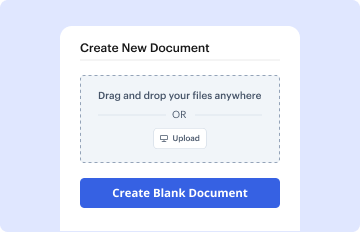
In your dashboard, hit New Document in the upper left corner. Pick Create Blank Document to put together the Mortgage Legal Document from a blank slate.

Step 4: Add form fillable areas.

Add various items like text boxes, images, signature fields, and other interactive areas to your form and designate these fields to intended recipients as required.

Step 5: Configure your template.

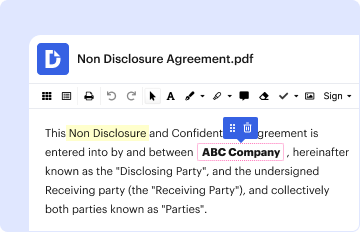
Customize your form by adding directions or any other essential information leveraging the text tool.

Step 6: Go over and refine the content of the form.

Meticulously go over your created Mortgage Legal Document for any discrepancies or required adjustments. Take advantage of DocHub's editing capabilities to enhance your template.

Step 7: Distribute or export the template.

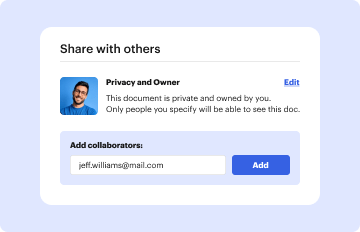
After finalizing, save your copy. You may select to keep it within DocHub, transfer it to various storage platforms, or forward it via a link or email.


be ready to get more

Build your Mortgage Legal Document in minutes

Start creating now

Got questions?

We have answers to the most popular questions from our customers. If you can't find an answer to your question, please contact us.
Contact us
If you own a computer and have a sheet of paper, you can create your own mortgage to finance the purchase of real estate.
Unlike a joint mortgage, you wont have the benefit of an extra income. So youll need to be able to prove you can afford the repayments by yourself. Saving for a deposit might also take a bit longer. But its definitely possible to get a mortgage on your own.
Deed of Trust: Many states, including California and Texas, use a deed of trust instead of a mortgage. The deed of trust is recorded in the public records to give notice that the property has a lien on it.
Mortgage contract: key sections and procedures Loan amount and duration. Down payment amount. Interest rate and type of interest (fixed, variable, etc.) including terms. Payment amounts and due dates. Specifics on where to make payments. Penalties if terms arent met (e.g. late fees or foreclosure)
Promissory notes are used to legitimize the agreement between the lender and the borrower in the eyes of the law. No promissory note may mean the loan contract isnt legally binding or enforceable.
be ready to get more

Build your Mortgage Legal Document in minutes

Start creating now

Related Q&A to Mortgage Legal Document

However, the do-it-yourself approach is perfectly acceptable and just as legally enforceable. Once you have both agreed on the terms, you may want to have the personal loan contract docHubd or ask a third party to act as a witness during the signing.
Either the seller or the buyer can prepare a purchase agreement. Like any contract, it can be a standard document that one party uses in the normal course of business or it can be the end result of back-and-forth negotiations.
Important points to include in a legal document. Party details. List the names, numbers, addresses (email or physical), and any other relevant information of all parties involved. Background information. Motion. Roles and responsibilities. BdocHubes or contingencies. Dates and signatures.

Additional resources on building your forms