

Create your Mississippi Property Law Form from scratch

Start Building Now
Title decoration

Here's how it works

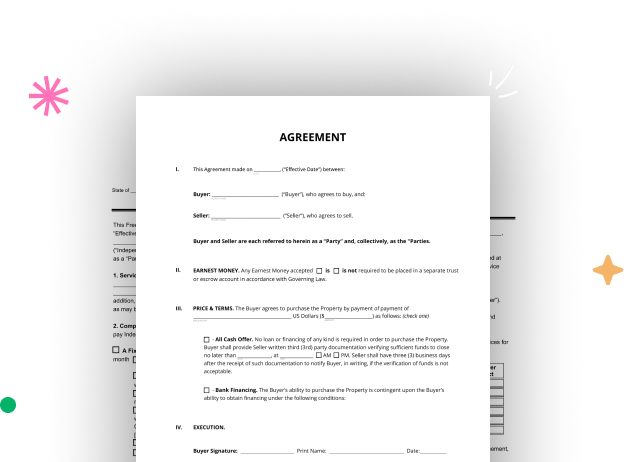
01. Start with a blank Mississippi Property Law Form
Open the blank document in the editor, set the document view, and add extra pages if applicable.
02. Add and configure fillable fields
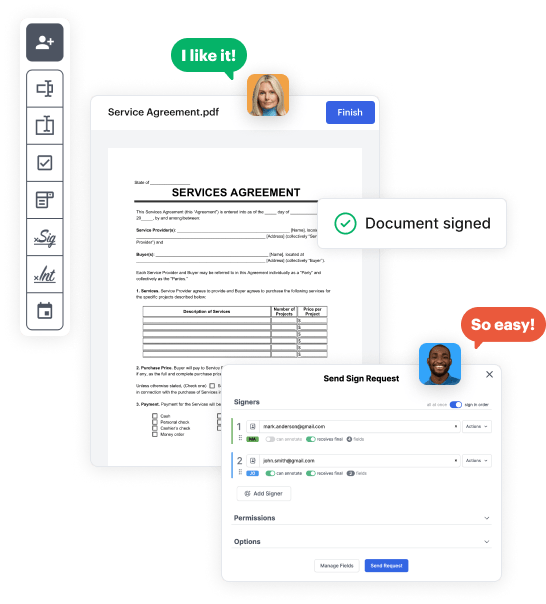
Use the top toolbar to insert fields like text and signature boxes, radio buttons, checkboxes, and more. Assign users to fields.
03. Distribute your form
Share your Mississippi Property Law Form in seconds via email or a link. You can also download it, export it, or print it out.

Build Mississippi Property Law Form from the ground up with these step-by-step guidelines

Form edit decoration

Step 1: Get started with DocHub.

Start by setting up a free DocHub account using any offered sign-up method. Just log in if you already have one.

Step 2: Sign up for a free 30-day trial.

Try out the whole collection of DocHub's pro features by signing up for a free 30-day trial of the Pro plan and proceed to craft your Mississippi Property Law Form.

Step 3: Start with a new empty form.

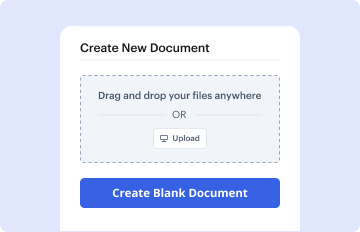
In your dashboard, click the New Document button > scroll down and choose to Create Blank Document. You’ll be taken to the editor.

Step 4: Organize the document’s layout.

Use the Page Controls icon indicated by the arrow to toggle between different page views and layouts for more flexibility.

Step 5: Start inserting fields to design the dynamic Mississippi Property Law Form.

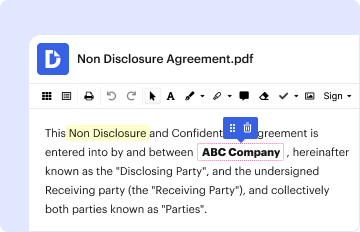
Use the top toolbar to add document fields. Insert and arrange text boxes, the signature block (if applicable), insert images, etc.

Step 6: Prepare and customize the incorporated fields.

Arrange the fields you incorporated per your desired layout. Customize the size, font, and alignment to make sure the form is easy to use and polished.

Step 7: Finalize and share your document.

Save the ready-to-go copy in DocHub or in platforms like Google Drive or Dropbox, or craft a new Mississippi Property Law Form. Distribute your form via email or utilize a public link to reach more people.


be ready to get more

Build your Mississippi Property Law Form in minutes

Start creating now

Got questions?

We have answers to the most popular questions from our customers. If you can't find an answer to your question, please contact us.
Contact us
It is used to transfer ownership of a property from one owner to another. To file the deed, bring the deed and a $26 fee in the form of cash or check to the Chancery Clerk office. If the deed is more than five pages long, an additional fee of $1 per page will be charged upon filing.
Before a quitclaim deed can be recorded with a county recorder in Mississippi, the grantor must sign and acknowledge it. The names, addresses, and telephone numbers of the grantors and grantees to the quit claim deed, along with a legal description of the real property should be provided on the first page (89-5-24).
To change a name(s) on the title, you need to take the title to your local county Tax Collectors office and complete the necessary applications. You may only add a member of your immediate family, specifically your spouse, parent, child, grandparent or grandchild, to a title.
By law, you are required to have a Mississippi attorney prepare or oversee the preparation of the deed. With that said, if a buyer and a seller only wanted to swap a deed for cash, they could do that without an attorney.
In Mississippi, however, as in many other states, a written and signed Property Disclosure Statement form must be completed by every seller who is represented by a real estate agent or broker prior to contract acceptance.
be ready to get more

Build your Mississippi Property Law Form in minutes

Start creating now

Related Q&A to Mississippi Property Law Form

A quit claim deed must be recorded in the county where the property is located. In Mississippi, a quitclaim deed will not be valid against a purchaser or any creditor for valuable consideration without notice unless it is recorded in the county where the property is located.
Mississippi law requires a signed deed to be delivered to the new owner to become effective. Delivery by the current owner to the chancery clerk for recording is considered constructive delivery to the new owner.
Family members can transfer property to one another without estate tax penalties by putting the property into a trust. When placed into an irrevocable trust, the property is no longer considered part of your estate after you die.


