


Create your Minnesota Warranty Deed Form from scratch

Start Building Now
Title decoration

Here's how it works

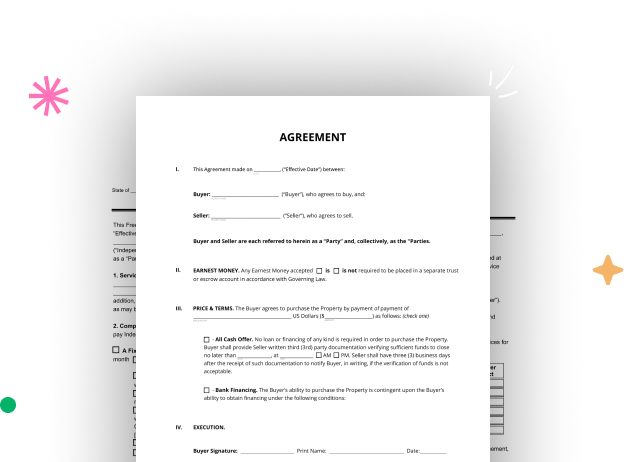
01. Start with a blank Minnesota Warranty Deed Form
Open the blank document in the editor, set the document view, and add extra pages if applicable.
02. Add and configure fillable fields
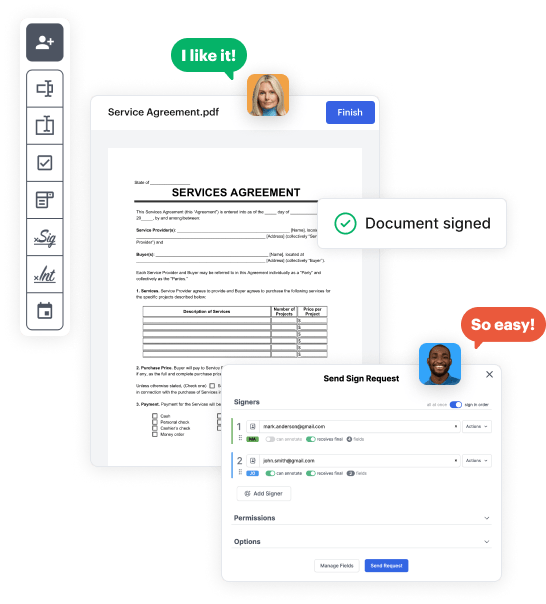
Use the top toolbar to insert fields like text and signature boxes, radio buttons, checkboxes, and more. Assign users to fields.
03. Distribute your form
Share your Minnesota Warranty Deed Form in seconds via email or a link. You can also download it, export it, or print it out.

A brief guide on how to build a polished Minnesota Warranty Deed Form

Form edit decoration

Step 1: Sign in to DocHub to create your Minnesota Warranty Deed Form.

First, sign in to your DocHub account. If you don't have one, you can easily sign up for free.

Step 2: Head to the dashboard.

Once signed in, go to your dashboard. This is your primary hub for all document-centric activities.

Step 3: Kick off new document creation.

In your dashboard, select New Document in the upper left corner. Pick Create Blank Document to design the Minnesota Warranty Deed Form from a blank slate.

Step 4: Add form fillable areas.

Add numerous elements like text boxes, images, signature fields, and other elements to your form and assign these fields to specific users as required.

Step 5: Configure your form.

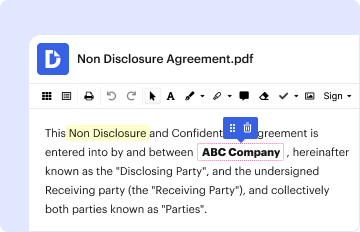
Personalize your form by adding directions or any other required information leveraging the text feature.

Step 6: Go over and modify the form.

Attentively check your created Minnesota Warranty Deed Form for any typos or needed adjustments. Take advantage of DocHub's editing tools to polish your form.

Step 7: Share or download the form.

After completing, save your work. You can opt to save it within DocHub, export it to various storage options, or forward it via a link or email.


be ready to get more

Build your Minnesota Warranty Deed Form in minutes

Start creating now

Got questions?

We have answers to the most popular questions from our customers. If you can't find an answer to your question, please contact us.
Contact us
Both a warranty deed and deed of trust are used to transfer the title of a property from one person to another. However, the difference between these two contracts is who is protected. As you now know, a deed of trust protects the beneficiary (lender). A warranty deed, on the other hand, protects the property owner.
A special warranty deed guarantees two things: The grantor owns, and can sell, the property; and the property incurred no encumbrances during their ownership. A special warranty deed is more limited than the more common general warranty deed, which covers the entire history of the property.
Recorder Registrar of Titles Property owners may request a free electronic copy of their deed and certificate of title without the need for a paid subscription by emailing us at recordsrequest@hennepin.us.
While the seller in a Warranty Deed must defend the title against all other claims and compensate the buyer for any unsettled debts or damages, the seller in a Special Warranty Deed is only responsible for debts and problems accrued or caused during his ownership of the property.
How to File a Quitclaim Deed in Minnesota Step 1: Locate the Current Property Deed. Step 2: Find the Propertys Legal Description. Step 3: Complete the Quitclaim Form. Step 4: Complete Disclosures. Step 5: Sign Before a Notary. Step 6: File the Deed With the County Recorders Office.
be ready to get more

Build your Minnesota Warranty Deed Form in minutes

Start creating now

Related Q&A to Minnesota Warranty Deed Form

Warranty deeds provide the highest level of protection, guaranteeing that the property is free from all liens and encumbrances. Limited warranty deeds only protect against claims that occurred while the seller owned the property.
A warranty deeds warranty covers the propertys entire history, while a limited warranty deeds warranty covers only the period during which the grantor owned the real estate.
Both a general warranty deed and limited warranty deed make a specific promise about giving clear title to the property. Both deeds contain a promise that the grantor is conveying clear title to the property. But, the difference between the general warranty and limited warranty is the duration of that promise.

Additional resources on building your forms


