Create your Minnesota Real Estate Form from scratch

Start Building Now
Title decoration

Here's how it works

01. Start with a blank Minnesota Real Estate Form
Open the blank document in the editor, set the document view, and add extra pages if applicable.
02. Add and configure fillable fields
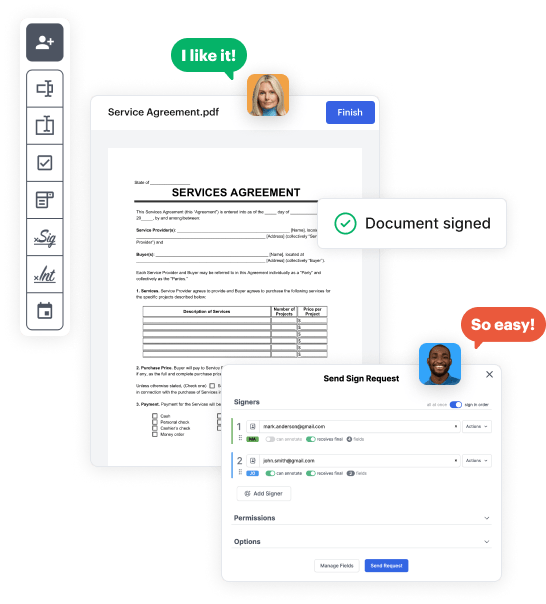
Use the top toolbar to insert fields like text and signature boxes, radio buttons, checkboxes, and more. Assign users to fields.
03. Distribute your form
Share your Minnesota Real Estate Form in seconds via email or a link. You can also download it, export it, or print it out.

Create Minnesota Real Estate Form from the ground up by following these detailed instructions
Form edit decoration

Step 1: Start off by launching DocHub.

Start by signing up for a free DocHub account using any offered sign-up method. Just log in if you already have one.

Step 2: Register for a 30-day free trial.

Try out the entire set of DocHub's advanced tools by registering for a free 30-day trial of the Pro plan and proceed to build your Minnesota Real Estate Form.

Step 3: Create a new blank doc.

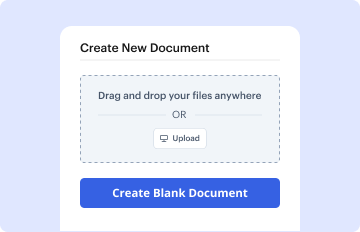
In your dashboard, click the New Document button > scroll down and hit Create Blank Document. You’ll be taken to the editor.

Step 4: Organize the document’s layout.

Use the Page Controls icon indicated by the arrow to toggle between different page views and layouts for more convenience.

Step 5: Begin by adding fields to create the dynamic Minnesota Real Estate Form.

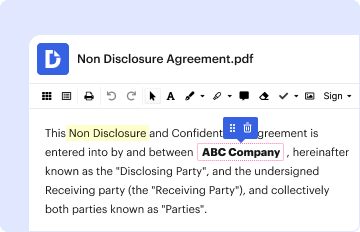
Explore the top toolbar to add document fields. Insert and configure text boxes, the signature block (if applicable), embed images, etc.

Step 6: Prepare and configure the added fields.

Arrange the fields you added based on your desired layout. Adjust the size, font, and alignment to make sure the form is straightforward and polished.

Step 7: Finalize and share your template.

Save the finalized copy in DocHub or in platforms like Google Drive or Dropbox, or craft a new Minnesota Real Estate Form. Share your form via email or utilize a public link to reach more people.

be ready to get more

Build your Minnesota Real Estate Form in minutes

Start creating now

Got questions?

We have answers to the most popular questions from our customers. If you can't find an answer to your question, please contact us.
Contact us
Form A - Agent/Seller Agreement This is perhaps the most common type of form, which serves as a contract between the agent and the seller of the property. This form legally mandates the agent to act on the sellers behalf by marketing the property and managing interested buyers.
You must be at least 18 years old, and you must successfully complete three 30-hour education courses (known as Course I, Course II, and Course III), pass the salespersons examination, become associated with a licensed real estate broker (who must submit the application for your license), and receive notice that the
As public records, contract forms adopted by the Texas Real Estate Commission are available to any person. Real estate license holders are required to use these forms.
Below are 5 of the most common types of contracts for real estate investing. Purchase Agreement. Purchase agreements are the most common type of contract youll use and encounter. Assignment Contract. Lease Agreement. Power Of Attorney. Subject-To. #1 Financing. #2 Seller Assist. #3 Closing Costs.
Fees License TypeInitial FeeRenewal Fee Real Estate Broker $180 $120 Real Estate Closing Agent $115 $80 Real Estate Company $180 $120 Real Estate Salesperson $100 $602 more rows
be ready to get more

Build your Minnesota Real Estate Form in minutes

Start creating now

Related Q&A to Minnesota Real Estate Form

For s FAQs Enter the buyer and seller information. Enter the purchase price of the property. Enter the date of the purchase agreement and the date of closing. Enter the property address and legal description. Enter the terms of the sale, including any contingencies or special provisions.
1. Land. Land, often referred to as the most basic form of real estate, is a finite resource and a key factor in the development of new properties. It can be classified based on its current use, potential for development, or environmental factors.
Lets break it down together. RERA Form A: Property seller and broker. RERA Form B: Property buyer and broker. RERA Form F: Buyer and seller. RERA Form I: Agent and Agent. RERA Form U: Termination Agreement. Frequently Asked Questions.

Additional resources on building your forms