
Create your Minnesota Housing Law from scratch

Start Building Now
Title decoration

Here's how it works

01. Start with a blank Minnesota Housing Law
Open the blank document in the editor, set the document view, and add extra pages if applicable.
02. Add and configure fillable fields
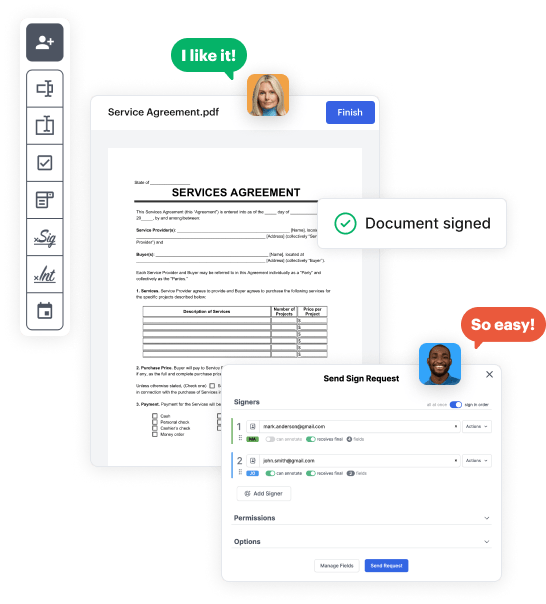
Use the top toolbar to insert fields like text and signature boxes, radio buttons, checkboxes, and more. Assign users to fields.
03. Distribute your form
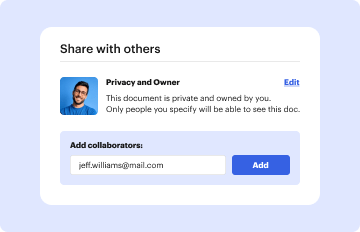
Share your Minnesota Housing Law in seconds via email or a link. You can also download it, export it, or print it out.

Build Minnesota Housing Law from scratch by following these step-by-step instructions

Form edit decoration

Step 1: Open DocHub and get going.

Begin by creating a free DocHub account using any available sign-up method. Simply log in if you already have one.

Step 2: Register for a 30-day free trial.

Try out the entire suite of DocHub's advanced features by signing up for a free 30-day trial of the Pro plan and proceed to craft your Minnesota Housing Law.

Step 3: Create a new blank document.

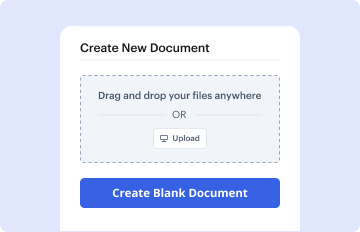
In your dashboard, select the New Document button > scroll down and hit Create Blank Document. You’ll be redirected to the editor.

Step 4: Organize the document’s view.

Utilize the Page Controls icon indicated by the arrow to switch between two page views and layouts for more flexibility.

Step 5: Begin by adding fields to design the dynamic Minnesota Housing Law.

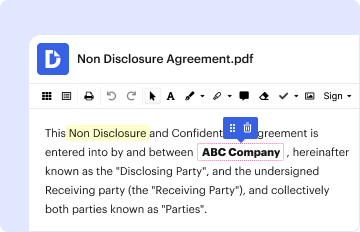
Use the top toolbar to place document fields. Insert and configure text boxes, the signature block (if applicable), add photos, and other elements.

Step 6: Prepare and configure the incorporated fields.

Arrange the fields you incorporated based on your preferred layout. Modify each field's size, font, and alignment to ensure the form is user-friendly and neat-looking.

Step 7: Finalize and share your template.

Save the ready-to-go copy in DocHub or in platforms like Google Drive or Dropbox, or create a new Minnesota Housing Law. Distribute your form via email or use a public link to engage with more people.


be ready to get more

Build your Minnesota Housing Law in minutes

Start creating now

Got questions?

We have answers to the most popular questions from our customers. If you can't find an answer to your question, please contact us.
Contact us
Arizona law states that a two person per bedroom occupancy limit is presumed to be reasonable. Depending upon the circumstances, however, such a limit may be challenged, and anything less than two persons per bedroom may violate fair housing laws by having an adverse impact against families with children.
244.810. The floor area shall be calculated on the basis of the total habitable floor area of all habitable rooms. Single room dwelling units shall not be occupied by more than four (4) persons and single room occupancy housing units shall not be occupied by more than two (2) persons.
Only one family can occupy an apartment unless permitted authorized (244.820). This usually means names listed on a lease. A family of 1-3 persons can have up to 2 unrelated people. A family of 4 persons can have 1 unrelated person.
Effective January 1, 2024, the landlord must issue a 14-day written notice before filing evictions for non-payment of rent. [Minn. Stat.
Notable changes include a mandatory 14-day written notice for nonpayment of rent before eviction proceedings, disclosure requirements for all non-optional fees in lease agreements, a prohibition on landlords requiring pet declawing or devocalization, and the right for tenants to request move-in and move-out inspections
be ready to get more

Build your Minnesota Housing Law in minutes

Start creating now

Related Q&A to Minnesota Housing Law

The 2024 Tenants Rights Policy Bill includes provisions to safeguard tenants right to organize, protect tenant survivors of domestic violence, clarify tenants rights to emergency services, prohibit rental discrimination based on public assistance, and more.
How many people can legally live in a two bedroom apartment in Minnesota? Standards Set by the Federal Government In general, the federal Department of Housing and Urban Development s Fair Housing Act recommends an occupancy limit of two people per bedroom in rental units.
The answer, as often happens in the law, is, It depends. In general, landlords own the property and they can decide how many people can live there. However, a landlord is not allowed to discriminate against tenants based on their familial status. (This rule was added to the federal Fair Housing Act back in 1988.)


