
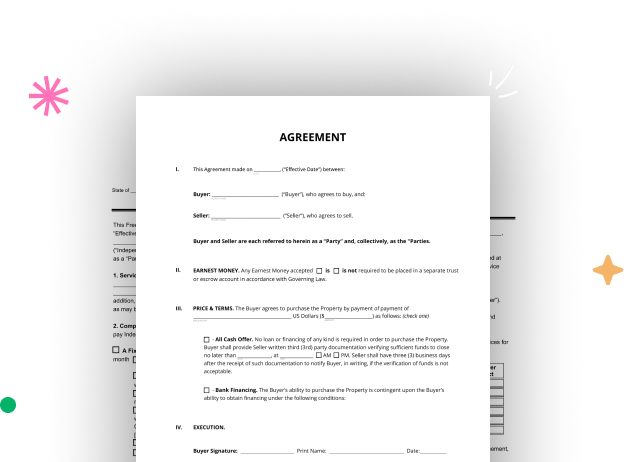
Create your Minnesota Construction Agreement from scratch

Start Building Now
Title decoration

Here's how it works

01. Start with a blank Minnesota Construction Agreement
Open the blank document in the editor, set the document view, and add extra pages if applicable.
02. Add and configure fillable fields
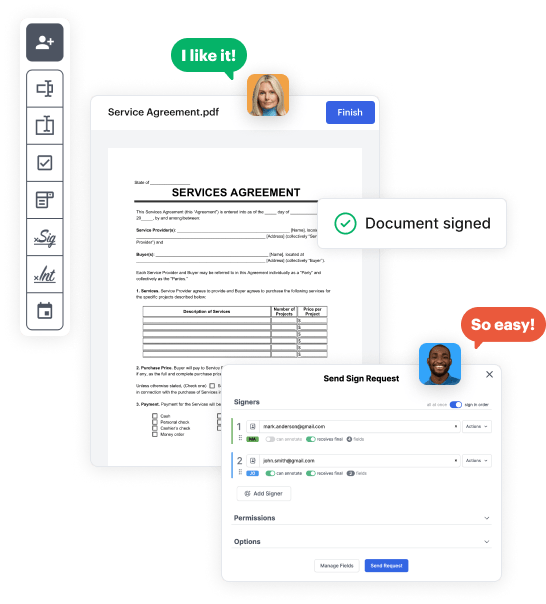
Use the top toolbar to insert fields like text and signature boxes, radio buttons, checkboxes, and more. Assign users to fields.
03. Distribute your form
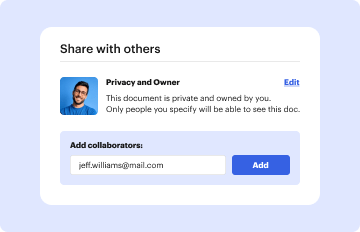
Share your Minnesota Construction Agreement in seconds via email or a link. You can also download it, export it, or print it out.

Create your Minnesota Construction Agreement in a matter of minutes

Form edit decoration

Step 1: Access DocHub to set up your Minnesota Construction Agreement.

Start by accessing your DocHub account. Explore the pro DocHub functionality free for 30 days.

Step 2: Go to the dashboard.

Once signed in, head to the DocHub dashboard. This is where you'll build your forms and handle your document workflow.

Step 3: Create the Minnesota Construction Agreement.

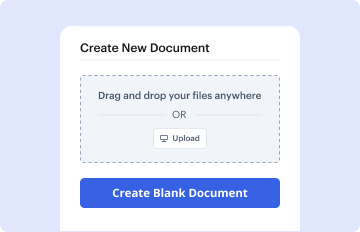
Click on New Document and select Create Blank Document to be taken to the form builder.

Step 4: Set up the form layout.

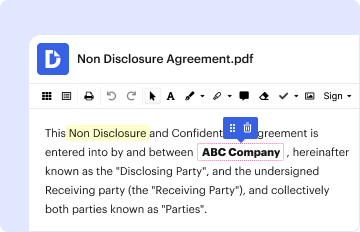
Use the DocHub toolset to add and configure form fields like text areas, signature boxes, images, and others to your form.

Step 5: Add text and titles.

Add necessary text, such as questions or instructions, using the text tool to lead the users in your form.

Step 6: Customize field properties.

Modify the properties of each field, such as making them required or formatting them according to the data you expect to collect. Assign recipients if applicable.

Step 7: Review and save.

After you’ve managed to design the Minnesota Construction Agreement, make a final review of your form. Then, save the form within DocHub, transfer it to your selected location, or share it via a link or email.


be ready to get more

Build your Minnesota Construction Agreement in minutes

Start creating now

Got questions?

We have answers to the most popular questions from our customers. If you can't find an answer to your question, please contact us.
Contact us
The most common methods are: Construction Management at Risk: Separate suppliers manage the build and design, with a construction manager being hired by the builder to assist in the design phase. Integrated Project Delivery: The project is split between the owner, the construction manager, and the engineer or architect.
Following this step-by-step checklist will mean that you can write your contract with confidence: Know your parties. Agree on the terms. Set clear boundaries. Spell out the consequences. Specify how you will resolve disputes. Cover confidentiality. Check the legality of the contract. Open it up to negotiation.
How to write a contract agreement in 7 steps. Determine the type of contract required. Confirm the necessary parties. Choose someone to draft the contract. Write the contract with the proper formatting. Review the written contract with a lawyer. Send the contract agreement for review or revisions.
What Should Be in a Construction Contract? Identifying/Contact Information. Title and Description of the Project. Projected Timeline and Completion Date. Cost Estimate and Payment Schedule. Stop-Work Clause and Stop-Payment Clause. Act of God Clause. Change Order Agreement. Warranty.
Simply put, yes, you can write your own legal contract. You just need to be sure to include key components such as an offer, an acceptance, an exchange of value, and the willingness of both parties to enter into a contract. Legally binding contracts can be done both in writing or orally.
be ready to get more

Build your Minnesota Construction Agreement in minutes

Start creating now

Related Q&A to Minnesota Construction Agreement

Write the title and a little preamble. Your title should describe the purpose of the contract. The preamble should simply state basics like: the date the agreement was entered into, the parties names, the project, the work site location, and work commencement and end dates.

Additional resources on building your forms


