


Create your Michigan Living Trust from scratch

Start Building Now
Title decoration

Here's how it works

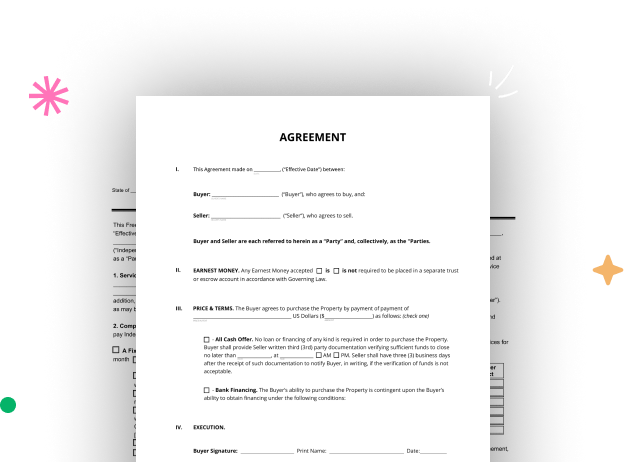
01. Start with a blank Michigan Living Trust
Open the blank document in the editor, set the document view, and add extra pages if applicable.
02. Add and configure fillable fields
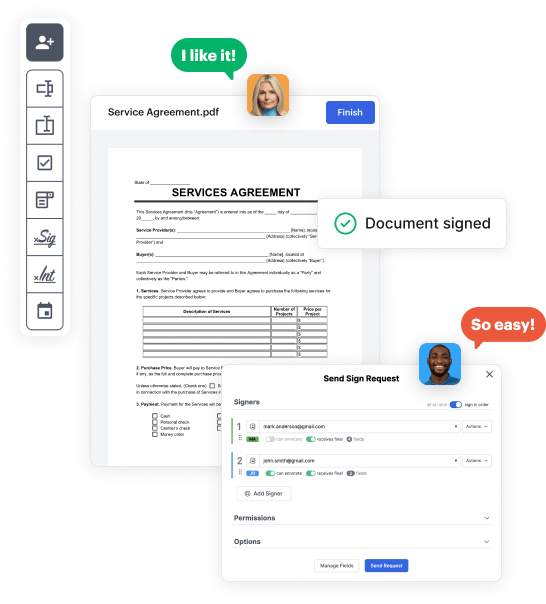
Use the top toolbar to insert fields like text and signature boxes, radio buttons, checkboxes, and more. Assign users to fields.
03. Distribute your form
Share your Michigan Living Trust in seconds via email or a link. You can also download it, export it, or print it out.

A quick tutorial on how to create a professional-looking Michigan Living Trust

Form edit decoration

Step 1: Log in to DocHub to create your Michigan Living Trust.

First, log in to your DocHub account. If you don't have one, you can easily register for free.

Step 2: Head to the dashboard.

Once signed in, go to your dashboard. This is your primary hub for all document-focused operations.

Step 3: Start new document creation.

In your dashboard, hit New Document in the upper left corner. Opt for Create Blank Document to build the Michigan Living Trust from the ground up.

Step 4: Add form fillable areas.

Add numerous elements like text boxes, photos, signature fields, and other options to your form and designate these fields to particular recipients as necessary.

Step 5: Adjust your template.

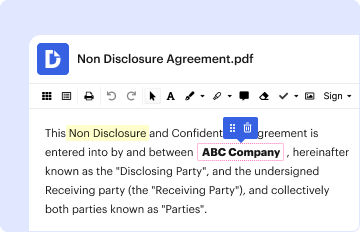
Refine your form by including guidelines or any other essential tips leveraging the text feature.

Step 6: Double-check and tweak the form.

Thoroughly go over your created Michigan Living Trust for any mistakes or necessary adjustments. Make use of DocHub's editing capabilities to fine-tune your template.

Step 7: Distribute or download the template.

After completing, save your copy. You may select to keep it within DocHub, export it to various storage platforms, or send it via a link or email.


be ready to get more

Build your Michigan Living Trust in minutes

Start creating now

Got questions?

We have answers to the most popular questions from our customers. If you can't find an answer to your question, please contact us.
Contact us
Limited Asset Protection: While it provides privacy, a living trust may not shield assets from creditors or lawsuits as effectively as an irrevocable trust. Funding Challenges: Transferring assets into the trust can be overlooked or require constant updates as financial situations change.
There is no minimum You can create a trust with any amount of assets, as long as they have some value and can be transferred to the trust. However, just because you can doesnt necessarily mean you should. Trusts can be complicated.
Michigan law has specific rules for establishing a trust. To create a trust, you must be at least 18 years old and mentally competent. This means you must be of sound mind, understanding the nature of your property, the identity of your family and friends, and the purpose of the trust you are creating.
The cost of forming a living trust in Michigan will depend on how you go about creating it. One option is to make it yourself using an online service. You could pay less than $100 or as much as $300 if you opt for this method. The other option is to draw up the trust document with the help an attorney.
Trustee: The trustee (trust manager) must be 18 years of age or older, have mental capacity and willing to take on the duties associated with managing the trust. Notary: Michigan requires a trust to be docHubd for it to be considered legally valid.
be ready to get more

Build your Michigan Living Trust in minutes

Start creating now

Related Q&A to Michigan Living Trust

To create a living trust in Michigan, you typically need to draft a trust document outlining the terms, appoint trustees and beneficiaries, transfer ownership of assets to the trust, and ensure it complies with Michigan state laws.
Average Cost to Set Up an Irrevocable Trust A domestic irrevocable trust in the US which is normally used for family or estate planning purposes will cost anywhere between $1000 and $5000 or more.
To create a living trust in Michigan, you prepare the trust document and then sign it in the presence of a notary. The final step is to transfer assets into the trust, funding it. Living trusts are a popular estate planning tool. A living trust can provide many benefits and may be a wise choice for you.

Additional resources on building your forms