
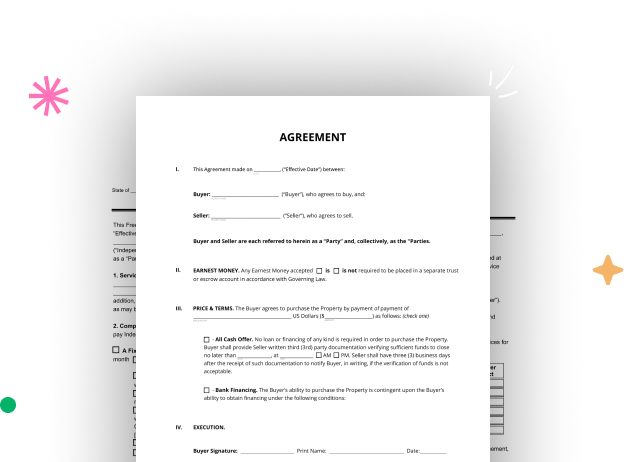
Create your Michigan Landlord Tenant Law from scratch

Start Building Now
Title decoration

Here's how it works

01. Start with a blank Michigan Landlord Tenant Law
Open the blank document in the editor, set the document view, and add extra pages if applicable.
02. Add and configure fillable fields
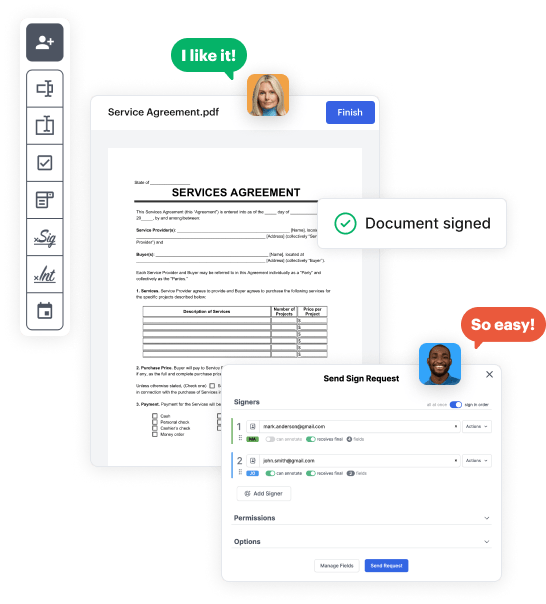
Use the top toolbar to insert fields like text and signature boxes, radio buttons, checkboxes, and more. Assign users to fields.
03. Distribute your form
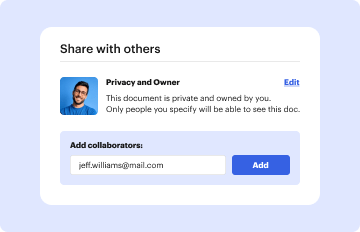
Share your Michigan Landlord Tenant Law in seconds via email or a link. You can also download it, export it, or print it out.

Create your Michigan Landlord Tenant Law in a matter of minutes

Form edit decoration

Step 1: Access DocHub to build your Michigan Landlord Tenant Law.

Begin by logging into your DocHub account. Explore the pro DocHub functionality free for 30 days.

Step 2: Go to the dashboard.

Once signed in, go to the DocHub dashboard. This is where you'll build your forms and handle your document workflow.

Step 3: Create the Michigan Landlord Tenant Law.

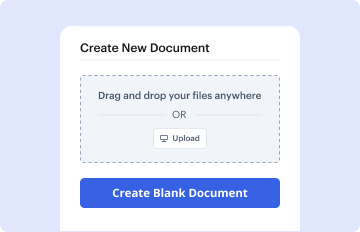
Click on New Document and choose Create Blank Document to be taken to the form builder.

Step 4: Set up the form layout.

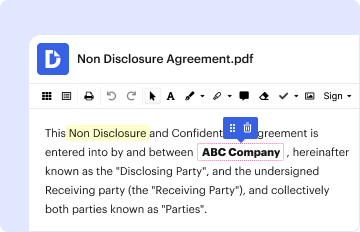
Use the DocHub toolset to add and arrange form fields like text areas, signature boxes, images, and others to your document.

Step 5: Add text and titles.

Include needed text, such as questions or instructions, using the text tool to assist the users in your document.

Step 6: Configure field settings.

Modify the properties of each field, such as making them compulsory or formatting them according to the data you expect to collect. Designate recipients if applicable.

Step 7: Review and save.

After you’ve managed to design the Michigan Landlord Tenant Law, make a final review of your document. Then, save the form within DocHub, send it to your chosen location, or share it via a link or email.


be ready to get more

Build your Michigan Landlord Tenant Law in minutes

Start creating now

Got questions?

We have answers to the most popular questions from our customers. If you can't find an answer to your question, please contact us.
Contact us
Michigan Legislatures Public Act 226 of 1988 bans rent control, meaning theres no cap on rent increases. While there are no rent control laws in the state aside from the ban, landlords must provide at least 30 days notice in the event of a rent hike if the tenant has been in the unit for less than a year.
To legally operate as a landlord in Michigan, you must apply for a rental license with LARA and obtain a landlord certificate from the local county clerks office.
In Michigan, theres no legal limit on how much a landlord can increase rent, as long as the increase adheres to the terms of the lease agreement or, for a month-to-month tenancy, is provided with appropriate notice.
The new landlord will have to follow the terms of the lease you have with the old landlord until the lease ends. Any security deposit will be transferred from the old landlord to the new one. The landlord might also return it to you and youll have to pay a deposit to the new landlord.
Michigan and U.S. fair housing laws say that landlords cannot discriminate against tenants or applicants because of their race, color, religion, sex, familial status (kids under 18), national origin, disability, age, or marital status.
be ready to get more

Build your Michigan Landlord Tenant Law in minutes

Start creating now

Related Q&A to Michigan Landlord Tenant Law

The bills enshrine the right to repair into law to guarantee that landlords provide safe housing and make timely repairs. If landlords fail to initiate repairs promptly, tenants would be allowed to deduct repair costs from their rent.
Landlords can choose not to renew a lease because the tenants smoke, because they got bedbugs, or because the tenant didnt do a good job following the lease while they were there.
Steps to Add a Tenant to an Existing Lease Acquire a Written Request to Add a Tenant. Check the Units Occupancy Limit. Require a Completed Rental Application. Screen and Approve/Deny the New Tenant. Review the Details With Each Tenant.

Additional resources on building your forms

