
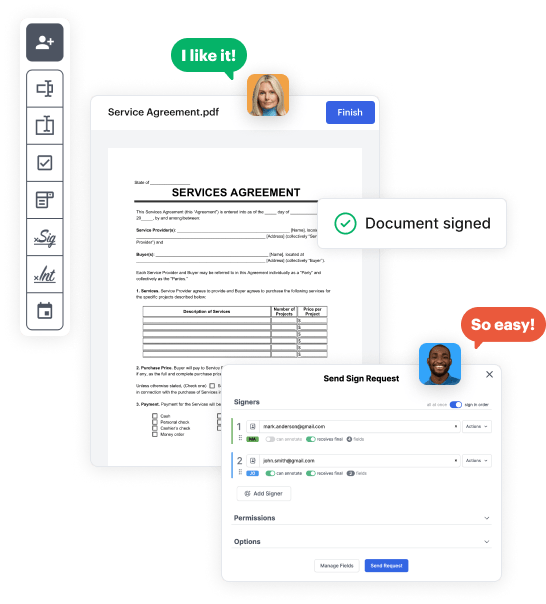
Create your Michigan Landlord Form from scratch

Start Building Now
Title decoration

Here's how it works

01. Start with a blank Michigan Landlord Form
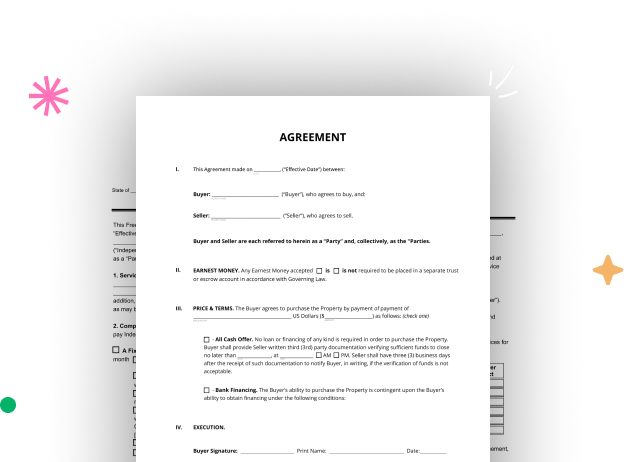
Open the blank document in the editor, set the document view, and add extra pages if applicable.
02. Add and configure fillable fields
Use the top toolbar to insert fields like text and signature boxes, radio buttons, checkboxes, and more. Assign users to fields.
03. Distribute your form
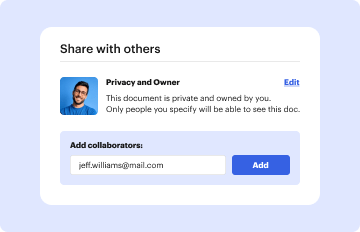
Share your Michigan Landlord Form in seconds via email or a link. You can also download it, export it, or print it out.

Create your Michigan Landlord Form in a matter of minutes

Form edit decoration

Step 1: Access DocHub to build your Michigan Landlord Form.

Begin signining into your DocHub account. Utilize the advanced DocHub functionality at no cost for 30 days.

Step 2: Navigate to the dashboard.

Once logged in, go to the DocHub dashboard. This is where you'll create your forms and manage your document workflow.

Step 3: Create the Michigan Landlord Form.

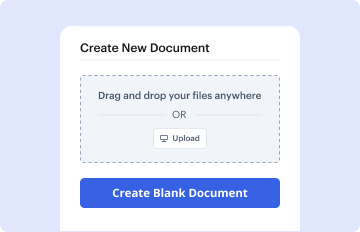
Hit New Document and select Create Blank Document to be redirected to the form builder.

Step 4: Design the form layout.

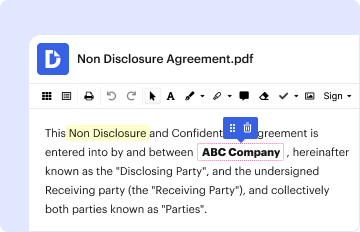
Use the DocHub tools to insert and configure form fields like text areas, signature boxes, images, and others to your form.

Step 5: Insert text and titles.

Include needed text, such as questions or instructions, using the text tool to guide the users in your form.

Step 6: Configure field properties.

Alter the properties of each field, such as making them required or arranging them according to the data you expect to collect. Assign recipients if applicable.

Step 7: Review and save.

After you’ve managed to design the Michigan Landlord Form, make a final review of your form. Then, save the form within DocHub, export it to your selected location, or share it via a link or email.


be ready to get more

Build your Michigan Landlord Form in minutes

Start creating now

Got questions?

We have answers to the most popular questions from our customers. If you can't find an answer to your question, please contact us.
Contact us
Unlicensed professionals can assist with administrative tasks, conduct property inspections, prepare marketing materials, schedule showings, and handle various other responsibilities delegated by licensed professionals. Their supportive roles are crucial in ensuring the smooth operation of real estate transactions.
Before a store, office, apartment, or house is rented, the property owner must register as a landlord so that the structure can be inspected and approved for occupancy. Property owners are required to complete an application and pay the related fee before an inspection is scheduled.
In ance with the Michigan Department of Licensing and Regulatory Affairs, you need to hold a salesperson or real estate broker license in order to act as a property manager in the state.
Michigan landlords who rent out their own property do not need a license from the state. They may, however, need to register their property with the local government. Registration generally requires an inspection and a certification that the property is safe for occupancy. It may also require a fee.
Once you get a demand for possession, you have seven days to pay the rent or move out. If you dont do either one, your landlord can start an eviction case against you. A landlord starts an eviction case by filing a summons and complaint with your local district court.
be ready to get more

Build your Michigan Landlord Form in minutes

Start creating now

Related Q&A to Michigan Landlord Form

To legally operate as a landlord in Michigan, you must apply for a rental license with LARA and obtain a landlord certificate from the local county clerks office. This certification process ensures that you meet the state requirements and are qualified to manage rental properties within Michigan.
Your landlord cant enter your home without permission except in an emergency. If there is a problem that your landlord needs to enter your home to fix, you should be given notice a reasonable time before the landlord plans to enter.
Under the Michigan Public Act, anyone who engages in property management must have a real estate brokers license, unless they are a real estate salesperson employed by a real estate broker to engage in property management.